It’s one thing to travel the world with a USA passport.
It’s quite another to apply for a residency visa and actually live — not just visit — in another country (and world).
EXPAT details the differences.
Trials and tribulations. Gains and losses. Physical upheavals, pathos, emotional turmoils, and special satisfactions. Rules and regulations, processes and procedures. Bureaucracy and red tape. Finances and household budgets. Conflicts and comedy. Assorted hodgepodge.
Sesame Street characters, athletes and other celebrities, politicians, health care professionals, bots, government spokespeople, misfits and the marginalized, and ordinary, regular people share this in common: They’re victims or perpetrators of prejudice, hatred, lies, and deliberate misinformation.
Like Covid, malice and fear-mongering know no borders. Those of us who tried to escape the lunacy by moving to another country have learned history’s quintessential lesson: no matter how far we go, there’s no place to hide. Especially when complacency and discord blind us from recognizing the foes and fears that follow us.
Part of dealing with the challenges of our new lives abroad is coping with unresolved tensions we may have thought we’d left behind.
Or the insidiousness sprouting in hitherto peaceful places, as natives are infected by an onslaught of newcomers with nasty habits and not-so-hidden hubris.
While most of us were supported in our decision to relocate abroad, some of the people we know and don’t know – families, friends, even strangers – take issue with us for leaving the homeland. Their reasons are varied, but essentially boil down to certain considerations:
● Loss and Estrangement. Family and friends, especially, are disappointed that we’ll no longer be as accessible to them as we had been. They’re right! Despite connecting on social media, person-to-person audiovisual chats, phone calls, and occasional trips back to visit, our lives, thoughts, and activities increasingly are focused on our current – not former – environment. Sometimes, the emotions and logistics of planning visits are complicated, causing consternation and conflicts. Although some expats and immigrants have no second thoughts about returning to the country they left, others are so repulsed (and scared!) by the emotional climate and turmoil of their homeland that they ‘d rather not set foot there again. Trying to explain our resistance is an ongoing process.
● Situational Complications. While many of those closest to us would love to join us and live abroad, they can’t, due to reasons ranging from family commitments or entanglements to employment, education, health issues, etc. Their motivations and tugs-of-war with significant others in their own spheres aren’t as imperative as are ours. Genuinely happy about our decision to leave for greener pastures (cost of living, health care, safety and security, etc.) elsewhere, there’s a wee bit of apprehension and jealousy that we’re doing something they can’t. These scenarios are rife with opportunities for misunderstanding and/or miscommunication that can threaten the status of even the most well-meaning relationships.
● My Country Right or Wrong “Love it or leave it” may have been replaced by “stay and defend our rights” in the face of intolerable autocratic abuses, but the passions embodied by such catch phrases can be strong and and offensive. Other citizens can’t always understand how we do make our voices heard and votes count from abroad by contributing our time, talents, and resources to people and organizations we believe can make things better “over there.” We write letters to the editors of newspapers, magazines, websites, and blogs. We send emails and faxes to elected “representatives,” informing them of our perspectives regarding matters of consequence. Posting, commenting, responding, and sharing diplomatically on the “social” media, we join and participate in expat groups that represent our interests … maybe even marching and rallying to show our solidarity with others who believe as we do. We’re involved “back home” as registered overseas voters, encouraging others – wherever they live – to register and vote.
●Divisive Politics Arrogance and intimidation – the sincere belief that “we’re right and you’re not” – cannot be constrained by borders. These tears in the fabric of our social conscience and affiliated responsibilities have broken the ties that bound families and friends … regardless if an international move was involved or at issue. As we learn the language and culture of our new country and, in the process, become more involved in its welfare, we become aware that the politics of division – especially as fostered by the alt-right – permeate peoples everywhere. For now, however, despite the ticks and pricks of ultra-conservatives, the freedoms and benefits we enjoy in left-of-center countries appear to be strong and pervasive. Yet here, too, we must be vigilant and persevere.
● Belligerence and Retribution Throughout history, there always have been haters, people who resent others for whatever their reasons. But the access to unfettered podiums in Internet town squares reaching millions, and ability to hide behind social media’s anonymity – or, increasingly, not to – have given rise to attacks from people whose lives revolve around chaos, supremacy, conflict, and their crippling effects. They are resentful, hawkish (even if “Christian”), and waver between autocracy, anarchy, and annihilation. Hitherto fringe elements of civilized society, they are intent on making their way into the mainstream. Some are byproducts of others who seek to spread lies, misinformation, and other tactics designed to bring down democracy … even as others are real, repugnant, and reprehensible whisperers whose malevolent behavior creates havoc.
These aren’t the pleasant thoughts we want to dwell on as we plan and proceed with our international relocation; yet they are troubling concerns that – sooner or later – we will face in some shape or form, going hand-in-hand with the “new normal” that’s undermined civics and ethics and most everything that these words connote.
Be aware. Be polite. Be prepared.
Bruce Joffe is publisher and creative director of Portugal Living Magazine.
Processing…
Success! You're on the list.
Whoops! There was an error and we couldn't process your subscription. Please reload the page and try again.
This is Meninho. We called him ninho (niño), for short.
Two months ago, Manny, our little boy schnauzer, died of liver failure. We were heart-broken. Bereaved. Grieving.
Nobody can ever replace Manny – his personality, love, and memories are too special – but, in time, the hole in our hearts can be healed through a new furry family member.
A friend informed us that her dogs recently had produced a litter. One was available. We went to her farm to meet and spend time with the puppies.
Meninho was one of seven. One died during birth. We just learned that the remaining six have developed Parvo. The last thing any new puppy owner wants to hear is a diagnosis of parvo. Parvo in puppies is a common disease with deadly consequences. Puppies ages six weeks to six months are the most susceptible. Meninho was six weeks old when we met him … we were to bring him home when he reached ten.
We were grief-stricken. Again.
Helping families to deal with the demise of a beloved pet was a major part of my ministry as chaplain at an animal rescue shelter in Northeast Wisconsin after retiring. Because they couldn’t understand, well-meaning people would ask, “Why does an animal rescue shelter need a chaplain?”
Current circumstances reminded me of the challenges, concerns, and considerations people experience with their pets throughout their too-short time with us.
Life would go on, for our family …
The best time to bring a new beating heart into your home after the demise of a beloved one was one of the struggles I tried to help people deal with during my time as a chaplain.
Others further explain why “pet-people chaplains” are vital:
● I probably spent more time consoling and counseling people upon the traumatic and heart-wrenching departure of a family member, albeit a four-legged one, than any other aspect of my ministry.
● A woman called the shelter to ask if there was someone she could talk to about a difficult choice regarding her nine-year-old cat. It wasn’t a life-or-death decision. Her cat was going blind. After its preliminary diagnosis and second opinions, the consensus was that the only hope to save the cat’s vision was at a specialized facility in Madison, the state capital. The procedure would cost about $5,000 … almost all the money she had in the world. Should she spend it on her cat? She made an appointment to speak with her pastor, whose response was, “Geez … it’s only a cat!” Alas, he just didn’t understand.
● People adopting pets and bringing new ones into their lives often want the pet to be blessed. Sure, some churches honor St. Francis (of Assisi), patron saint of animals and the environment, with an annual “blessing of the pets.” Up-close-and-personal, however, is something different entirely.
● Prayers over pets (sick or otherwise) and home visitations were frequently requested. Other times, disappointed and desperate, many wanted clergy to be there with them, holding their hands and hugging them closely, as they said “good-bye” to their family member departing for the rainbow bridge.
● Some deeply spiritual people wanted their houses blessed before (and after) pets entered and exited.
● Of course, many times were frequently spent visiting and playing and helping with the pets housed in the shelter.
Probably my most extraordinary moments as chaplain at an animal rescue shelter, however, were those spent in a variety of area churches, preaching about God’s love for all creatures great and small. The subject matter is rarely taught (or quickly passed over) in most seminaries and schools of theology.
Lions, leopards, bears (although no tigers), along with nearly 100 other animals, insects, and non-human creatures are mentioned throughout the Hebrew and Christian Testaments. And, while dogs figure prominently in several biblical passages, interestingly there is not a single mention of a domestic cat in the canon.
(You’ve heard it before: “What is dog spelled backwards?”)
What does the Bible say about animals?
In Genesis 9:3-4, God tells us that a person cannot cut off the limb of a living animal. In Exodus, the Ten Commandments remind us that we are supposed to treat animals with respect and care, particularly those who work our lands.
Psalm 147:9 shows us that God is concerned for all creation, including the animals: “He provides food for the cattle and for the young ravens when they call.” In Psalm 104:21, we see that “the lions roar for their prey and seek their food from God”; implied is that God feeds them. In Luke 12:6, Jesus says, “Are not five sparrows sold for two pennies? Yet not one of them is forgotten by God.”
And, who can forget these words from the 23rd Psalm, “The Lord is my shepherd …”
If God cares for creation and the animals, so should we.
In fact, it is God’s care for animals that probably explains our desire for pets.
We have inherited the part of God’s nature that cares for the animals. In the very beginning, we’re told, God blessed the people and commanded them, “Fill the earth and subdue it. Rule the fish of the sea and the birds of the air and over every living creature that moves on the ground” (Genesis 1:28).
When beginning my messages from the pulpit, I asked those in the pews if they remembered the story of Balaam and his donkey (Numbers 22:21-39).
After Balaam started punishing his devoted donkey for refusing to move, the animal was miraculously given the power to speak. It complained about Balaam’s treatment. Balaam saw an angel, who informed him that the donkey’s behavior was the only reason the angel did not kill Balaam. Balaam immediately repented, and was told to go on his way.
I reminded the congregation that, if God could speak through a jackass, God certainly could speak through me!
Disclaimer: I share these stories of our experiences not to complain or seek sympathy, but because we are North Americans acculturating to another country’s norms and expectations. Information in posts such as this aren’t found in tourist or relocation guides … nor asked about and answered in most Facebook groups. Hopefully, some will learn from my anecdotes and be better prepared for the grit and grist, the grain of living abroad.
Bruce is publisher and creative director of Portugal Living Magazine. Read the current online issue and subscribe to the magazine at no cost whatsoever: http://portugallivingmagazine.com/our-current-issue
That’s the response I get from the naysayers, those who don’t believe that Portugal is a land of milk and honey, even if its streets aren’t lined with gold. After all, almost everything they read these days paints Portugal as the best, the most, the friendliest, the warmest, the cheapest, absolutely an ideal place to live—nirvana—especially for digital nomads and foreign retirees.
And, in many ways, it is!
But, let me get this off my chest upfront—because I know there will be those mocking and taking issue with whatever I say here:
I love Portugal.
Please, reread that:
I. Love. Portugal!
Still, despite all the hype, hoopla, and fanfare about how this Iberian country is the closest to heaven on earth–calm, peaceful, friendly, welcoming, beautiful, easy on the wallet—there are some things that are bothersome here or incur a hard time getting used to.. Of course, my likes and dislikes probably differ from yours … so, what annoys or frustrates me may be perfectly acceptable to you and others. For some, these queixas aren’t applicable. And, sooner or later, we come to grips with this stuff.
I share these stories of our experiences not to complain or seek sympathy, but because we are North Americans acculturating to another country’s norms, traditions, and expectations. Information such as this typically aren’t found in tourist or relocation guides … nor asked about and answered in most Facebook groups. Hopefully, some will learn from these anecdotes and be better prepared for the grit and grist, the grain of living abroad. We love Portugal for what it is, not what it isn’t, and have no intention of leaving. And, certainly, not all “foreigners” have difficult dealing with what I may consider nuisances.
Again, let me be clear: Just because I may not like something doesn’t diminish my love for the country.Some things we get used to; others we just don’t get.
So, here’s my list of what irks me in Iberia …
Allergens. Never in my life have I had allergies—until moving to Portugal. I don’t know what’s in the environment, the air, but I cannot stop sneezing and sniffling or rubbing my itchy eyes. Perhaps it’s related to what our veterinarian warned us affects non-native dogs (and cats), requiring periodic medications. Or, more likely, it has to do with all the dust. Good heavens, you can dust something—a mirror, furniture, countertops—today and it will be back within 24 hours. Spontaneous generation? Included in this category also are heavy-duty smokers. While smoking is on the way out in many countries, it still is quite common in Portugal. If you’re coming from the USA, especially, smokers in Portugal can be very shocking. There’s no stigma attached to the unhealthy habit here.
Bureaucracy. Yeah, it’s here … and lots of it. More often than not, however, is that you never really know which form you need (or forgot to bring) and whom is the person to speak to when trying to resolve or work something out. Portuguese people tend to be friendly and, after giving you their once-over look, they’re helpful … if not happy. Despite the hoops you may have to jump through over and again — often because things are done one way in this region and another in that, while the letter of the law is interpreted differently depending upon where you are — it helps to remind yourself of how efficient transactions are with the Multibanco, how practical using the Finanças portal online is, how prudent ways exist for consumers to resolve complaints apart from suing those we believe have wronged us.
Ants, Flies, and Creepy-Crawlers. Ants are almost everywhere here in Portugal. Big ones that you find crawling along your steps and landings. Medium ones going about their business. Most of all, though, are the little ones that suddenly appear out of nowhere —entire armies—near doors, windows, and other entry points, or marching across your counters. Then, there are the flies. And gnats. And hovering predators that insist on following, needling, and targeting us … playing catch me if you can. I swear, they’re sadistic! The big, fat flies that buzz the loudest are the lamest, not lasting long against our arsenal of mechanical and chemical weaponry. It’s the smaller, quicker ones that are the nastiest. Darting around, playing hide-and-seek, they’ll find you, wherever you are—especially the loo! They last the longest and are the most persistent. Like the gnats buzzing in your ears as you’re trying to sleep … no matter how many times you slap yourself in the process of trying to say good riddance. More often than not, they swim and die drowning from overdoses of alcohol while floating in your (tinto) wine. How the Portuguese aren’t bothered by them in this café culture of outdoor dining, is beyond me. We cannot sleep with open windows without screens. Spiders, centipedes, and other common critters may creep me out; but I can deal with them. Not with the dreaded processionary caterpillars, however, whose venomous entanglements scream, “Danger, danger, Will Robinson!” to us and our furry family. My word, even if I could pronounce Leishmaniose, it’s another parasite I don’t want our dogs to encounter.
Banking It just doesn’t seem fair that we have to pay banks here for the privilege of holding and using our money to invest in their ventures, especially when coming from a country that pays us interest (however minimal) each month for the right to speculate with our hard-earned deposits. If it’s any consolation, the few euros deducted each month from our Portuguese bank accounts provide benefits (like discounts on petrol and limited health care insurance) and don’t compare with the €45-90 per quarter some Spanish banks charge to non-residents … even if you own property there!
Climate Most people associate Portugal with beaches and sunshine. Yet Portugal can be cold and damp in the winter–especially along the Atlantic coastline and north of Porto. Portugal is a long country and regions like the Algarve and Alentejo have different climates. For that matter, you can drive just ten or fifteen minutes and find yourself surrounded by completely different weather. That’s outside, of course. Inside the house is another matter entirely. Slippery cobblestone streets are very pretty — some with really cool designs — but be very careful: they’re quite slippery and dangerous when wet. (From the cobblestoned and hilly streets in the big cities to unpaved paths in the countryside and lots of sandy walkways along the coast, wearing proper shoes is a must. By all means, bring your heels too, but walking shoes will be much more useful.)
Cost of living Inflation has hit Portugal, just as it has other places worldwide. It’s difficult, if not impossible, for many Portuguese people to afford the cost of living in places like Lisbon, Porto, and the Algarve … along with their suburban towns and villages. No matter where you live, however, electricity, petrol, and propane (or butane) are more costly in Portugal. Per kilowatt, Portugal is one of the most expensive countries in Europe. It’s one of the most expensive countries for taxes and fuel, which leads to a lot of people who live near the Spanish border driving across the border to fill up. (Guilty!) Other items that, at least, seem expensive here are cars, furniture, appliances, and international brands. And although you’ll sit down at a restaurant table laden with bread, butter, and cheese, some eateries will charge you for it … unless you don’t eat any. Soon enough, they’ll take these niceties away.
Customs and Deliveries The challenge of getting things delivered — albeit an online purchase, a package or letter from overseas — is a constant complaint among expats and immigrants. It’s something frustrating that you never get used to (but a small price to pay for what you get in return). CTT, the public postal service, receives more complaints than any other “service.” As for customs, the fees charged for anything imported from outside the EU are so high that it’s not unusual for import charges (taxes) to equal the value of the product purchased (or gifted) and sometimes much more. Even gifts clearly handmade by family members abroad are stopped, searched, valued at more than they could ever be sold for, and slapped with stiff import charges. And, even if you agree to pay these charges or they have been prepaid, it can take weeks — and even months — to get your deliveries released from Portuguese customs.
Domestic animals Many of us love dogs and cats. Except when we step in their discharges. Poop in the streets is the most common problem, followed by noise. Dogs barking through the night can be an issue in the countryside, as well as in residential areas, where it’s not unusual for people to leave their dogs on their apartment balconies or chained up somewhere outside.
Employment Portugal traditionally attracts older expats, especially retirees. There’s a reason for that: People don’t usually come to Portugal to work; salaries are low even by European standards … and there are only a limited number of job opportunities here. The good news is that, even though salaries are still a long way from catching up with other western European countries, there are an increasing number of jobs in Portugal. Many people are bringing work with them — whether digital nomads or working remotely for clients outside of Portugal — and young or middle-aged foreigners are cultivating the land and selling its produce or starting a growing business of their own: food-related or beauty salons.
Home construction—primarily concrete and cement—leaves much to be desired in terms of insulation. Think drywall (sheetrock/plasterboard): Remember how easy it was to hang pictures and whatever on our walls? Better tool up with a drill, lots of drill bits, a hammer, and pliers! Most houses throughout Portugal have strong interior cement walls that are rough and textured … making painting and wall-hanging time-consuming challenges. Portuguese houses can be extremely cold in the winter, as most properties don’t have central heating (or, sometimes, heating of any kind), so you may find yourself bundling up, layering, and wearing gloves inside in an attempt to keep warm. That’s not an exaggeration! Of course, you can find warm properties–especially newer builds and houses with insulation and central heating within central cities. If there’s any prejudice or distinction at all among the Portuguese, it’s based on where one lives: in the city or the “campo.”
Mold Regardless of the barricades used to keep it away, come the colder months of the year, you’ll do constant battle with mold. Typically, it appears looking like nothing more than damp shadows on your ceilings and walls (Brits refer to it as “the damp”); but then it gets dank and darker. Mold multiplies and spreads almost everywhere—even inside closets and wardrobes, attaching itself to our clothes. It’s definitely not healthy. Opening windows often to the cold, wet, and wind increases ventilation and helps to minimize mold. Nevertheless, you’re going to need a step ladder (or larger), spray bottle, cleaning rags, and face masks to tackle what’s stubbornly intruded and settled in. Many stores—groceries, supermarkets, hardware shops, even the ubiquitous Chinese bazaars—sell products to spray on, rub in, and remove the mold … but diluted vinegar and elbow grease work just as well.
(Some) Portuguese Drivers. Once they get their licenses, all hell breaks loose. About half of native Portuguese drivers are courteous and follow the laws in their roadside behavior. The remaining 50% are divided, again, in half: About 25% are speed demons and road hogs, kissing your car’s butt—regardless of whether (or not) they ultimately decide to pass you. The other 25% are slow pokes who drive 50 km/h in 80 km/h zones and 80 km/h on highways designated as 120 km/h Both types of drivers – speed demons and slow pokes – straddle more than one lane and typically drive in the wrong lane through roundabouts … sailing from the inside (left) lane to exit right, cutting you off without so much as a signal. Whether it’s people flashing their lights because they’re desperate to overtake, driving under the influence, or leaving a few millimeters when parking between their vehicle and another, driving in Portugal is über frustrating. Signal indicators are rarely used, touch parking is common in the cities, and everywhere in Portugal people often park — our double-park — diagonally across two or three spaces. Roundabout ramifications need more explanation.
Roundabouts, Parking, and Lack of Consideration. Some people swear by roundabouts and their greater efficiency over traffic lights. Others, like me, dislike them—especially the big ones with traffic coming at you from nine different directions simultaneously and nary a driver courteous enough to let you in. Panic attack territory is when there’s a series of these circles from hell … one after another. Even my GPS with its brilliant British accent can’t keep up. Before you know it, you’ve missed the seventh exit and find yourself lost along the way. And to add insult to near injury, there are pedestrian crosswalks within meters of the exit—an accident waiting to happen. Similarly terrifying are Portuguese parking lots—often with tight, awkward spaces between concrete posts that make it almost impossible to open your doors, let alone back out. They’re breeding grounds for inconsiderate parkers. Is there any reason why two cars must take up three parking spots? Park horizontally in vertical spaces? Or for drivers to park diagonally in well defined areas, often sticking their vehicles dangerously into the traffic lane, where cars are traveling in both directions, even though arrows clearly indicate which (one) way they’re supposed to move?
The flip side of the “what I don’t like about Portugal” coin is what I can’t seem to find (yet) here—stuff that’s probably no big deal to some, but important to me. Maybe these eccentricities are here hiding, just waiting for me to discover them:
• Vacuum cleaners that really can clean carpets and rugs. No matter what shop you go in or search for on Amazon, a reasonably priced vacuum cleaner that picks up the dirt and dust in carpets (especially thicker pile ones imported from elsewhere) is almost impossible to find. Ironic that upscale vacuums here are referred to as “Hoovers,” which are available online. So are Sharks, Kirbys, and Dysons. But they cost a friggin fortune—some more than 400-500 euros. In Yankee dollars, that translates to between $500 and $600. For a bloody sucker-upper! (Update: We found a vacuum cleaner that really works! It’s the Amazon Basics – [AB500] 3L 700W Bagless High Efficiency Motor Upright Vacuum Cleaner with 2 Dust Filters. But, of course, this heavy-duty appliance — for which we paid about 139€ including shipping — is “temporarily” out of stock.)
• Yard sales, estate sales, auctions, flea markets, thrift shops, and antiques malls. Yeah, I’ve been to a few “boot” sales … but, “Meh!” For intrepid bargain hunters and collectors, we wait with baited breath for those Saturday or Sunday open air markets hosting a fair share of memorabilia merchants. Sorry, online vendors: Facebook’s Marketplace, OLX, CustoJusto, and the periodic items for sale that pop up in our Facebook feeds or Portuguese second-hand groups just don’t measure up to the thrill of the hunt.
•Bagels. Yes, I’m aware that “bagels” are available in Portugal, in the bakery cases of supermarkets, padaderías and pasteleirías, and the frozen food aisles of Lidl. Sorry, Charlie, but they´re too doughy or pasty … blander than biscuits without jelly or jam. I grew up in New York, where–along with seltzer–it’s said that nowhere else can produce the same quality bagels … because of the water. Don’t believe me? Go ask Jerry Seinfeld!
• Crushed Red Pepper For the most part, pizza in Portugal is delicious—whether you prefer thin crust or deep dish, and whatever toppings you want. Except one: crushed red pepper. It’s just not served here—even when requested—in Portuguese pizzerías. Some like it hot … Piri Piri just doesn’t make it.
While we can get good pizza almost anywhere in Portugal, what we can’t (by and large) get is savory Tex-Mex or its essential ingredients (except online, through a retailer like The Chilli Experience). What the Portuguese consider tacos, burritos, tamales, and enchiladas here just don’t fit the lingo. Maybe Tex-Mex is better and more plentiful in bigger, coastal cities, but it’s sadly lacking elsewhere in the country.
So, there you have it: my big, bad list.
Ironically, my good list about Portugal is much, much longer … but can be summarized in a single paragraph, stringing words working together. We love Portugal because of its friendly people accepting of foreigners. Its diverse landscapes with a variety of climates, scenery, and topography. “Temperate” weather. Abundant arts and architecture. Safety and security. Quality of life . Strong expat/immigrant communities throughout the country. Fairy tale towns and villages. And, definitely, among the best bakeries and pastry shops in the world.
As a Boy Scout, I memorized the “Be Prepared!” motto. Now you are ready, as you prepare for your relocation to Portugal … or, as a resident already, to find whatever comfort you can in this communal balm.
I’ll end this soliloquy where I began, repeating that—despite these minor challenges and inconveniences—we love Portugal and have no intention whatsoever of moving away.
Nevertheless, there are those who are going to find fault, complain, and deplore me and my words with a variety of curious, finger-pointing comments … like, “Go back to your country!”
I’ve got to give the Portuguese credit: Most of their laws are for the greater good of us all, even if increasing bureaucracy results from their administration.
In August, the Food and Economic Safety Authority (ASAE) carried out a national operation aimed at the services provided by tourist and local accommodation establishments, monitoring compliance with the general operation rules and the specific rules in the context of the pandemic prevention.
With 297 operators inspected, the main infractions were a lack of or out of date outdoor identification plaques displayed with the establishment’s classification; lack of the complaints book in the electronic format; and lack of observance of the rules of occupation, capacity, permanence and physical distance in food and beverage areas. Compliance with the COVID digital certificate or negative test of 2,227 customers was also verified, but no irregularities were detected.
A temporary suspension of two—not even 1%–establishments resulted, due to the lack of (or out of date) outdoor identification plaques displaying the establishment’s classification, and lack of observance of the rules of occupation, capacity, permanence and physical distance in food and beverage areas.
Anyway …
Yesterday, I was reading the most recent issue of AFPOP’s Update newsletter. For those unfamiliar with AFPOP, the acronym originally stood for the Association of Foreign Property Owners in Portugal; now, to better reflect the members it represents, AFPOP’s name has been changed to Association of Foreign Residents and Visitors. Among its benefits are the newsletter and, in partnership with its insurance broker (Medal) and insurance underwriter (Allianz), probably the most comprehensive health care coverage at the lowest prices … especially for the “senior citizens” among us.
While skimming the pages of the August (2021) Update, I came across four briefs dealing with new and existing laws in Portugal:
● Ever experience difficulty in reading the small print—especially on contracts? As of 25 August, that all changed: “[S]mall print and tiny spacing between lines are expressly prohibited in contracts with general contractual clauses, previously signed by organisations ranging from banks and insurance companies to gyms, telecom companies, and energy suppliers.”
Now prohibited are clauses written with smaller than 11 point (or 2.5 mm) font size and spacing less than 1.15 lines.
Of course, it’s not just the size of the font that prevents a better understanding of the contract. So, the law also establishes a control system to prevent what is referred to as “abusive clauses” in the wording of the contract which, itself, causes problems, “sometimes written with such technical complexity that the consumer has serious difficulties in understanding what they are reading, for example regarding clauses on early termination of contracts or loyalty periods,” notes AFPOP.
● No more free shopping bags—whatever the material—came into force on 1 July this year. Part of a larger ban on the sale of all single-use plastics encouraging consumers to reduce the use of disposable and waste products, shoppers will now have to pay for their packaging … at prices set by the trader.
● To prevent forest fires, any outdoor fires (including bonfires), launching rockets or fire-induced hot air balloons are forbidden when the Secretary of State for Forests declares a “critical period” for fires. It’s also mandatory to clear vegetation, cut trees and mow tall grasses around your property. If you don’t do it before 15 March, you could be fined a lot. In 2018, fines ranged from 140 to 5,000 euros in the case of individuals and from 1,500 to 60,000 euros for corporations. More recently, fines have been doubled!
● Traveling in a motor home offers some freedoms, but you need to be aware of the rules and restrictions—especially as regards where parking overnight is—and isn’t—allowed. Since January this year, staying overnight in motorhomes isn’t permitted in nature reserves (except where expressly designated). In the rest of the country, except for places clearly approved for overnight stays (for which there’s no time limit), you can park in the same municipality for a maximum of 48 hours. As of 1 January 2021, the bill could be huge for parking in the wrong places: Non-compliance with this new regulation can be penalized with a fine of 60 to 300 euros—or more.
Actually, there are lots of laws and associated fines for violating Portugal’s decrees about vehicles … whether parking or driving …
Speeding fines are charged on a sliding scale depending on how far above the limit you are driving. For example, if you’re between 30 and 60km/h over the speed limit on a rural road, you could face a fine of up to €600. But if you’re going between 60 and 80km/h above the limit, the fine could be as high as €1,500.
Speed limits in the country are set in accordance with the “character” of the area within which the vehicle moves. Hence, in “built-up” areas, the speed limit is 50km/h; on rural roads, it’s 90km/h; and, for motorways, it’s between 50-120km/h.
Which means it is illegal to drive on motorways at a speed of less than 50km/h, or a fine can be imposed!
The legal blood/alcohol limit for driving when drinking in Portugal is under 0.5g/l (grams of alcohol per liter of blood) for all drivers. Those tested and found within between 0.5 and 0.8g/l face fines of between €250 and €1,250—along with license suspension between one month and one year.
Portuguese citizens can own firearms for hunting, target shooting, pest control and collecting. There’s no Second Amendment clause allowing for “well-regulated militias,” nor is self-defense considered a legal reason for owning a firearm. Legally, only licensed gun owners can lawfully acquire, possess, and/or transfer a firearm or ammunition. Portugal’s gun law also limits the number of firearms each person can have at home.
To gain a gun license in Portugal, one must be over 18-years-old and pass a background check which considers both criminal and mental health records. The person is also required to interview undergo thorough police scrutiny. The police have final say in whether to issue or reject a Firearms Owner License (FOL), which must be renewed every five years. Failure to renew may result not only in revocation of a license, but confiscation of all guns.
People in Portugal aren’t the only ones subject to rules and regulations. Even pets (theoretically) are protected under Portuguese law.
According to current legislation, it is now mandatory to register pets in the Pet Information System (Sistema de Informaço de Animais de Companhia—SIAC). Registration fee per pet is 2.50 euros and is compulsory for all animals born in or present on Portuguese territory for a period of 120 days or more. Pet owners who don’t comply face fines of no less than 50 euros … which can reach €3,740 for private persons and €44,890 if you represent an enterprise.
What’s more, as of 21 August, prison sentences have been toughened for those who mistreat or kill pets in Portugal.
Killing pets “without a legitimate reason” in this country may now imply prison sentences of between six months and two years, or imprisonment corresponding to 60-240 days. Sentences can be even heavier if there is “perversity” in the act. This toughening of sentences is the result of a change to the law that condemns the mistreatment of pets passed in 2014.
While some expats and immigrants can afford to shrug off these stiff financial fines and/or imprisonments, the majority of the population–Portuguese people—cannot.
Perhaps that’s among the reasons why Portugal consistently ranks among the top five most welcoming and peaceful countries in the world, as well as one of the most tranquil and beautiful destinations to visit or live.
Maybe if more countries put stronger teeth in their own laws and enforcement, violence and illegal activities would be reduced … and societies would become more civil.
You’re officially a USA (or UK) citizen, but you currently have legal (tax) residence in Portugal, where you now own property.
Do you need to create a separate will in Portugal to deal with it?
Technically, no.
According to Danielle Richardson in “Planning your wills and estates in Portugal” (distributed and updated by Expática on 16 October 2020), “There is no legal requirement to draw up a will in Portugal,” says Richardson. “Furthermore, inheritance law in Portugal recognizes wills that have been drawn up abroad; even if they include instructions for property and assets in Portugal.””
As with most countries, for the purposes of a will, assets include any cash or savings, property, and any other items or instruments of value.
However, if you have sizeable assets in Portugal, “it is likely that Portuguese inheritance law will deal with them,” Richardson cautions. “Therefore, it is worth considering having a Portuguese will, even just as a safeguard.”
International attorneys Sandra Jesús and Stéfanie Luz of Caiado Guerreiro in Lisbon agree:
“Under the EU Regulation known as Brussels IV, the laws of the country where someone habitually resided will apply to the property upon their death. This means that Portuguese law could potentially be applicable to your inheritance, in spite of your nationality.”
To ensure that the applicable law will be the one that you choose (either Portuguese law or the law of your nationality), it is advisable to clearly state the choice of law in the will.
In certain circumstances, the law of the country where a property is located may become applicable. For example, if the deceased was an owner of property in Portugal, and the law of his/her nationality or residence determines that the law of the country where the deceased’s property is located takes precedence, then Portuguese inheritance law becomes relevant.
A Portuguese will also allows you to avoid delays in the administration of the estate, as it will enable you to proceed with the probate process following death without having to wait to receive documents from other jurisdictions as part of the probate process.
Remember, though, that Portugal follows forced heirship rules which state that legitimate heirs are entitled to a minimum of 50% of the deceased’s estate. And, if there is more than one legitimate heir, this portion usually increases to 60%.
Legitimate heirs include spouses, biological and adopted children, grandchildren, parents, and grandparents. The only way these relatives can be excluded from an inheritance is if the deceased has specifically asked for it on the grounds of unworthy behavior. Even then, the courts can challenge this request and reasoning.
Beyond the forced heirship rules, with a few exceptions, you can distribute your estate however you want. For example, the deceased’s last doctor, the priest of a religious establishment, and personal administrators cannot inherit any part of the estate.
Portuguese inheritance law states that the laws of an expat or immigrant’s home country should apply. Therefore, if you want Portuguese inheritance rules to apply to your estate, it must be stipulated so in your will. If the spouse of the deceased is a different nationality, s/he can apply the laws of his or her country of residence. So, if you have relocated to—or retired in—Portugal, Portuguese inheritance law can be applied.
If there is no will, and no spouse (ascendant or descendant), the estate passes to the siblings and their descendants, other collateral family up to the fourth degree, and finally to the State. Each subsequent class of heirs is only called upon if the previous class is not present.
Fortunately, if you don’t want to choose between a Portuguese will and one in your home country, you don’t have to. This is because Portuguese law allows people to have two wills. You can have one will in Portugal and one in your home country. Nevertheless, you must draft them so that one doesn’t accidentally negate or revoke the other. For this reason, it is wise to consult an attorney or solicitor if you want to have more than one will.
While there is no inheritance tax in Portugal, there is a type of tax–Imposto do Selo. This is charged at a flat rate of 10%, with several exemptions. No ‘legitimate heirs will pay this tax: spouses, children, grandchildren, parents, and grandparents. Further, it is only charged on Portuguese assets, such as Portuguese properties or other valuable items.
Property inherited by minors or other persons not of legal age may be registered in the name of the minor in Portugal’s Public Registry; however, minors do not have the power to administer property until they reach legal age. A guardian may be appointed from the immediate family provided he/she has capacity to perform the relevant guardianship duties. If no one in the immediate family is available the court can appoint an independent person to fulfil the task.
With all due respect, it never can be said that last wills and testaments are the basis of “dead giveaways” in Portugal!
Processing…
Success! You're on the list.
Whoops! There was an error and we couldn't process your subscription. Please reload the page and try again.
I am an American living in Portugal, splitting time — with my spouse — between small homes and villages in the country’s core (Alcains, Castelo Branco) and the Alentejo (Vila Boim, Elvas).
We live in the suburbs of a major city, a comfortable if not upscale vila of mixed housing–most are row houses of all shapes and sizes, although there are plenty of upscale properties with huge houses and landscaped gardens behind magnificent gates (not fences) around the town. We moved here from a smaller village (aldea) of about 500 people, down from 1,200 or more during its glory days. Today, one corner market, two cafés, and a beautician who visits twice each week comprise its commercial corps. Except for three tremendous but decaying manor homes, still grand and stately, all of the other dwellings are attached. No, that’s not quite right: around the village’s outskirts are a number of quintas inhabited by daily commuters who work for the government (elsewhere) and dirt-poor people.
After almost four years, we’ve come to know what we like most about living in Portugal, as well as a few things that frustrate or confuse us. It has nothing to do with our love for Portugal and the Portuguese, but because we grew up in another land and culture, and can’t help but see life (for the moment) through a different lens and viewpoint.
That’s not a criticism, just a fact we’ve come to understand.
Some things can’t be taught to us; we need to learn them by experience. Answers aren’t to be found in the fine print of guide books and manuals, or in the files of some Facebook group. Only time here will tell and reveal.
Examples?
Who knew that Portuguese pharmacies would refill our prescription(s) from the USA – before we have a local doctor or our SNS number – simply by showing a bottle or box containing our existing medicine … or, better yet, a Rx from our American doctor? Or that, unlike the USA, right turns on red (after pausing) aren’t legal here? Who do you call if your car should break down on the road? And how long does it take until that “Eureka!” moment when we realize that gasóleo and diesel fuel are the same?
Moving from one address to another in Portugal brings its own load of lessons. After all is said and done, you remember that your mail needs to be forwarded. Should be simple enough … until you learn from the post office that it costs €20 per month for the service. Apart from the flyers and junk mail, our mailbox receives so few pieces that it’s better (suggests correios), if not simpler, to contact those postal patrons who connect with us through CTT and fill out the forms to change our address.
The same goes for Finanças, a legal requirement.
Changing addresses also means stopping by EDP (several times) to disconnect and stop service, as well as to resolve any billing issues. Are we the only ones who didn’t know that the country’s energy provider has us all on annual contracts? Sure, you can cancel your contract … but through its legal end date, you’ll continue to be billed monthly service charges.
Then, there’s shopping: We’ve been used to being able to return stuff we bought and get full refunds, as long as we bring the receipt, the item is in its original packaging, and the return is made within a designated timeframe. One major hardware and household supply chain in Portugal advertises, “Don’t worry! If you buy it here and find a lower price elsewhere, we’ll refund you the difference plus 10%!” Plenty of merchants will give you a refund in full if you return something, for whatever reason, no questions asked. But don’t ass-u-me that’s the rule everywhere. Stores aren’t required to post their returns and refunds policy, whether at the point-of-sale or on the receipt. So, before buying something, especially if it’s costly, you’d best ask about the store’s return and refund policy.
Did you know that, from the moment SEF exchanges your temporary visa for a residency permit, you’re eligible to vote in Portuguese elections? That’s right: legal residents, as well as citizens and Portuguese natives are entitled — and encouraged — to vote in local elections.
Nonetheless, Portugal’s politics, elude us … probably because there are more than two intransigent political parties. But that’s a good thing, as partisan politics here don’t appear to put party before people. Instead, coalitions are formed to move things forward—unlike certain countries where nothing progresses because of unrelenting forces meeting intractable objects.
“But it’s a socialist country,” some homelanders insist, confusing politics with economics (capitalism).
“And you don’t think there’s socialism at work in your country, too?” we reply.
Trumpism had yet to transcend the 45th president of the USA; but we saw the handwriting on the wall. The Republican Party no longer was the GOP, standing for small government and fiscal restraint. Increasingly, “regular” Americans were exhibiting hatred, vitriol, and self-serving prejudice, encouraged by the cartoonish candidate. Donald Trump was inaugurated on 20 January 2017; we left the USA with no plans to return two months later.
Despite owning a vacation bolt in Andalucía, Spain, for 15 years, Portugal beckoned and was more welcoming … in every sense of the word.
Economically, Portugal is poor, at least compared to the competition. The national minimum wage jumped this year by 6%, going from its steadfast €775.83 per month to €822.50 per month. Yearly, that amounts to US $9,052 (“international currency”), with an average hourly rate of sixteen euros.
We love Portugal for its neutrality. It’s not one of the big G7 nations … or even the G20, for that matter. Rather, the country is an active (if errant) participant in the European Union, whose most recent president was Portuguese. Portugal is also a member of NATO. It’s a safe and peaceful place; to the best of my knowledge, there’ve been no mass murders, gunfire, attack weapons, or daily violence.
It doesn’t take much (again, compared to other EU countries) to be granted a visa followed by legal and tax residency in Portugal. Doing all your homework correctly — being sure to cross every “t” and dot every “i” — will prepare most everyone for dealing with Portugal’s notorious bureaucracy. Forget to bring a document, legal identification, a signature required somewhere, and you’ll be sent to “jail” without passing “Go” and collecting your $200.
We adore the Portuguese people, some of who are our closest friends, even when they’re standing outside our house after midnight talking, without using their “inside” voices.
Yet Portugal remains somewhat of an enigma, an evasive paradox … which might explain that sense of “saudade” shared by so many of its inhabitants—increasingly including immigrants like us, who have come to experience much the same feeling.
Especially when it comes to dealing with the dust, flies, and mold!
Bruce is publisher and creative director of Portugal Living Magazine. Back in the USA — before relocating to Portugal — he worked as a university professor, church pastor, public relations executive, book and magazine publisher.
It’s here, huffing and puffing and blowing our houses in.
Not to belittle Covid rising or myriad international crises and challenges, but the greater good demands that we stop what we’re doing and confront climate change—here and now.
Wildfires. Heat waves. Tropical storms, hurricanes, tsunamis. Heat waves. Flooding. Draughts. Volcanoes and lava. Icebergs. Tornadoes. Air Quality. Haze.
All are symptoms — accessories and accomplices — of earth’s painful diseases.
Fuel spills and non-biodegradable plastic are destroying our oceans and their inhabitants. The Amazon is emitting more carbon than it’s absorbing. Flooding in Germany and Belgium defies explanation, as does passengers trapped in waist-high water inside a submerged subway and cars floating through streets, as deadly floods sweep through central China. Record high temperatures – some 50 degrees above normal – suffocate people trying to breathe in western Canada, California, Oregon, and Washington. Dozens of wildfires rage across the Pacific Northwest, with the region experiencing unrelenting draught while smoke stretches all the way to the East coast. Seemingly everywhere, haze obliterates the sky. And, in an ironic twist, smoke from the “bootleg” wildfires is changing the weather.
“There are more than 40 evacuation orders affecting about 5,700 people or almost 2,900 properties in the province,” reports the Canadian Broadcasting System. “There are also 69 evacuation alerts, affecting just under 33,000 people and about 16,000 properties. Three hundred of Canada’s 800 fires at the moment are raging in B.C. (British Columbia).”
Elsewhere, William Brangham reports on PBS from California’s San Joaquim Valley, “The demand for water has threatened the drinking supply for hundreds of thousands of rural residents—including the farmers who grow a significant part of the country’s food supply.”
Here in Portugal, 21 municipalities and districts have been placed at maximum risk of fire. As a Facebook friend put it following days of sweltering heat, “We’re making like lizards and keeping to the shade.”
Plastic pellets escape into the environment during every stage of their lifecycle–from production to transportation and during final product manufacturing. Together with single-use plastics which continue to line supermarket shelves, despite being banned by the government (in Portugal), they absorb toxins such as dioxins from water and transfer them to the marine food web and human diets, increasing the risk of adverse effects to wildlife and people, along with fishing and survival.
The bacteria that make up “red tide,” Karenia brevis, already have killed more than 613 tons of marine life and fish around Tampa, Florida, as sewage stops everyone from bathing at an Algarve (Portugal) beach when a burst pipe causes sewage to be discharged into the sea.
Following his sky shuttle, space cadet Jeff Bezos of Amazon fame and fortune announces the commercial potential of his billionaire joy ride: All that dirty, polluting manufacturing and industrial waste will be moved from earth into outer space, leaving the earth a much more splendid place … even while the universe becomes a more contaminated “dumping ground.”
Already, global warming has become climate chaos. In the future, will it be universal?
Satellite data have shown that the world’s biggest iceberg is no more. Weighing billions of tons and bigger than many cities when it broke away from the Antarctic ice shelf in 2017, the iceberg has completely melted away. Scientists warn that this could be a sign of the quickened pace of global warming.
Greenland has decided to suspend all oil exploration off the world’s largest island, calling it “a natural step,” because the Arctic government “takes the climate crisis seriously.”
I don’t want to sound like Chicken Little, but we used to predict that the devastating effects of climate change and global warming would hit us in twenty to fifty years—worrisome for our children and grandchildren, but not nearly so deadly to us.
Climate scientists for decades have warned that the climate crisis would lead to more extreme weather. They said it would be deadly and it would be more frequent. But many are expressing surprise that heat and rain records are being broken by such large margins.
That’s the difference between prophets and profits.
Limiting global warming to 1.5C will be a “pipe dream,” predicts US climate envoy John Kerry, if China waits as late as 2030 – not even a decade away – for the peak of its emissions.
And the USA? Russia? The UK and EU? Africa and Asia?
Several developed countries, including the US, this year have significantly increased their commitments to reduce greenhouse gas emissions. The European Union last week unveiled an ambitious plan to put climate at the center of just about every development and economic initiative it has.
Yet many activists say that their pledges still fall short of the action needed to contain average global temperatures to 1.5 degrees Celsius, which the International Panel for Climate Change says is necessary to avoid even more catastrophic impacts of climate change. They also criticize governments that make ambitious pledges while continuing to approve new fossil fuel projects, including coal mines, and oil and gas facilities.
“When you look at what’s happening in Canada, where they had temperatures of 50 degrees (C), and what’s going on all over the world, it is clear this is the result of climate change,” Niklas Pieters told CNN, as he helped his parents clear the debris from their ravaged home in Schuld, Germany. “I don’t want to have to get used to this.”
Wake up and do something, people: climate change is here.
Maybe we all should watch The Day After (again) on Netflix?
Processing…
Success! You're on the list.
Whoops! There was an error and we couldn't process your subscription. Please reload the page and try again.
I could be talking about Portugal´s amazing win over Hungary in an awesome Euro 2020 football game. Not only did Portugal do an amazing job in an awesome game, but Cristiano Ronaldo’s after-game moves favoring water over Coca Cola were the icing on the cake.
Nonetheless, I am writing here about other matters where Portugal has done well. Stuff even we expats and immigrants residing here often become used to and take for granted. So, here´s a “shout out” of thanks to Portugal for what it’s doing so well on a bunch of things – large and small – that make our lives so much better here … presented in no particular order other than my current stream of consciousness:
• Obrigado, Portugal, for your majestic beauty and splendors. Rather than tear down and demolish, you value your history … the people and places that created such masterpieces. Who knew that you´re the oldest country in Europe, with borders defined in 1139 CE? Before you even were acknowledged as Portugal, the area had passed through the hands of many empires and civilizations.
• Obrigado, Portugal, for your bakeries (pastelarias), among the finest in the world. Those responsible for my affairs know that, when my time comes, I want nothing more than a memorial service in a Portuguese bakery.
• Obrigado, Portugal, for your vast array of excellent wines–many priced cheaper that bottled water. And obrigado, too, for your café culture where — as in other Western European countries — we gather with friends to discuss this, that, and the other thing over wines, coffees, teas, and nibbles.
• Obrigado, Portugal, for our free and low-costhealth care. While the country provides excellent, universal coverage to all who reside here, it’s great to know that a couple aged 72 and 58, respectively, can purchase top-of-the-line private health insurance for less than €2,000 per year. When we left the USA almost four years ago, the premium for one month of basic, bronze health insurance cost US $1,200—for one person, then aged 54.
• Obrigado, Portugal, for your wonderful outdoor markets. Whether fruits and vegetables, clothing, plants and flowers, textiles, or antiques and collectibles, for those of us who love bargains and hunting around flea markets, yard sales, and auctions, there´s plenty of great and festive finds at bargainable prices.
• Obrigado, Portugal, for your IBANs and Multibancos, enabling us to conveniently conduct financial transactions from our home computers or ubiquitous “ATMs.” Now, if only banks in other countries (to the west) would replace routing and account numbers with IBANS, it would be so much simpler to transfer funds from here to there.
• Obrigado, Portugal, for incorporating English in every school´s required curriculum—rather than as an elective “foreign” language (i.e., Spanish, French, Italian, Latin, Greek, etc.).
• Obrigado, Portugal, for your coin-dispensed shopping carts. A 50 céntimo coin or euro deposit is enough to entice customers to return the carts to their corrals, instead of leaving them, helter-skelter, in parking lots to scratch and dent our cars. Now, if only your drivers would make more of an effort to park courteously, within the designated lines.
• Obrigado, Portugal, for your beloved bombeiros (firemen and women), models of national respect and admiration. The world needs everyday heroes to look up to, now more than ever. In addition to fighting the fires that blaze through Portugal, bombeiros deliver water to outlying properties. If you need water for irrigation or drinking, the bombeiros will deliver it to your property. Many bombeiros are skilled in rock-climbing techniques, and rescue people from cliffs. They rescue animals, as well. In the winter of 2017, bombeiros were called to rescue a baby whale that had washed onto Monte Clerigo beach. Bombeiros also retrieve people and animals stuck in wells. Attend car accidents. Provide first-aid treatment to locals. Support the community in the event of flooding, earthquakes or landslides. Assist in underwater searches. Transport accident victims and others in need to hospital.
• Obrigado, Portugal, for being recognized as one of the most peaceful countries in the world. You have maintained your place as the third most peaceful nation (behind Iceland and New Zealand), according to the venerable 2020 Global Peace Index. On an individual basis, peace translates to safety and security … of not being in the wrong place at the wrong time (or the right place at the right time) for fear of being a victim of violent crime.
• Obrigado, Portugal, for your wind turbines and solar panels seen throughout the country—visible reminders of your commitment to deliver cleaner energy and a sustainable environment.
• Obrigado, Portugal, for upkeeping our infrastructure. Rare is the pothole or dangerous debris found on your highways and national roads. In our own neighborhoods as well, you´re continuously upgrading our electricity, water pipes, and sewer lines. We may be frustrated by all those unexpected detours (desvios) … but we´re thankful, too.
• Obrigado, Portugal, for taking on the mantle of melting pot for refugees and immigrants, welcoming us with free health care and education, relatively low-cost housing and property insurance. And minimalist taxes, compared to whence we´ve come. We’ve met Indians and Israelis, people from Belgium and Germany, China and Russia (as well as the UK and USA) within your borders. Up close and personal, our differences – albeit skin tone, LGBT or hetero, country of origin, or language spoken – fade, as we exchange extremist nationalism for patriotism. Tudo bem!
For more feature stories, news and commentaries, personalized columns and departments, eye-popping photos and artwork, please subscribe – at no charge – to Portugal Living Magazine. You can read our current issue and subscribe for free at:http://portugallivingmagazine.com/our-current-issue.
Processing…
Success! You're on the list.
Whoops! There was an error and we couldn't process your subscription. Please reload the page and try again.
As one of our last vestiges of the USA in the EU – more precisely, Portugal – we really wanted to like and follow you, CNN. Of course, we realized that you’re not Rachel Maddow on MSNBC, but still …
You’re everywhere, all over the place, trying (too hard) to be liberal.
Even if (like Netflix) you’re a hybrid version, feeding us different programs and personalities than those available in the states, you’re still the closest thing to a USA-branded newscast that we receive here.
So, I should warn you not to take viewers like us for granted. Here’s what I mean:
I enjoy having my morning java with soothing voices and visages. Like Rosemary Church and Kim Brunhuber, who air here in Portugal at 8:00 AM and 9:00 AM, respectively. Trouble is, except for their calm demeanor and attractive wardrobe, all of the “news” they share are video clips I’ve already seen already–several times on different programs, earlier.
Maybe I should skip watching your programs the day before and watch them, instead, the morning after … with Rosemary and Kim?
Actually, I’m not particularly enamored with your evening line-up here … even when you’re juggling the timeslots. Let’s say that I sit down with a glass of wine at 5:00 PM (17H00), a reasonable time to “relax” with with Christiane Amanpour … even if the woman I see now sits behind a desk and anchors a talk show, rather than out in the trenches or hobnobbing with all the high-highfalutin dignitaries and diplomats you show when promoting her show.
(Speaking of promotions, do you realize how many times over the course of an hour, you promote Stanley Tucci’s “Searching for Italy” series premiering here on June 20th, although it’s already been shown in the USA months ago? Dozens! It almost makes me yearn for those spots of that Gambian woman who eats oysters for breakfast, lunch, and dinner on Melmac dishes … or the country’s only female professional Kora player teaching her son to bang a mean xylophone.)
Anyway …
If dinner is late, Amanpour morphs into Hala Gorani, who I used to like. Really! Now, she’s sloppy—easily distracted, stumbling over her words, and barely able to connect the dots when it comes to making sense out of stories playing over and again. For this, you dropped Brianna Keiler? Why bring back a lackluster has-been, when creative talent such as Keiler and Ana Cabrera are tried-and-true winners?
We turn off the tube for dinner when Richard Quest (who claims to mean business) airs. The man is downright irritating and uncouth. He doesn’t listen to his guests, but interrupts them incessantly. He slathers and spits. Those bonus 20 minutes recently inserted for Quest’s World of Wonder program is a total waste of time. Yours and mine. But what I dislike most about Richard Quest is his gravely, overworked voice—something between a grimacing growl and a rumbling roar.
Yeah, voices can be a big turn-off. You should know that, CNN.
Maybe then, you wouldn’t air so many promotions for Connecting Africa’s screeching Eleni Giokos, whose diction is fingernails against a blackboard heard throughout our house. You want me to sit through an entire hour of her (along with all your other Africa-related programs)?
While some of your reporters can speak clearly and consistently, others — especially your White House correspondents — pack more words per second into a two-minute monologue than Portuguese sardines in a can. Don’t they need to come up for air?
Sorry to tell you that I’ve also lost patience with “Breaking News” Wolf Blitzer on The Situation Room and conspiracist-charging Jake Tapper on The Lead. The former makes my blood pressure spike, while the latter is so annoying with his incessant whining and putting words in his guests’ mouths. Yet you give each of them hours to whittle away at my weariness.
Except for Fox News and MSNBC, which give you a run for your audience in the USA, it’s said you have little competition in the USA, CNN.
But that’s not the case here in Portugal, where my Internet package includes Fox and Bloomberg newscasts, as well as Al Jazeera. Whenever you (re)run something insipid, I can turn to EuroNews and Globovision, as well English language newscasts from France, the UK, Israel – even Korea and China – for more balanced and qualified opinions.
You boast that: ”More people get their news from CNN than any other source.”
Come on, CNN …
Hyperbole! Or in your case, alternative and fake news?”
Studies show that the majority of people today get their news through the social media.
In 2019, Pew Research concluded that 55% of the American public gets their news from social media. Even though Fox News is the most-watched television news station in the USA, your online presence is more than twice the size of Fox’s. The average USA prime time audience for Fox News is about 2.9 million (Nielsen). CNN’s USA average prime time viewers total 2.7 million. NBC, the current news leader, averages 8.8 ,million and ABC about 8.6 million.
As with most news content providers, you depend upon the usual suspects: The New York Times and Washington Post, Associated Press, Reuters, and United Press International. You also borrow and share from your rivals and reports floating around the Internet. Then, your “experts” — almost always a former-this or secondary official — opine about the issue.
According to your own “fact” sheet:
● Your two dozen branded networks and services are available to more than 2 billion people in more than 200 countries and territories.
● You have 36 editorial operations around the world and around 3,000 employees worldwide.
● Your coverage is supplemented and carried by more than 1,000 affiliates worldwide.
● You reach 90 million households in the U.S.
● Your digital network is the number one online news destination, regularly registering more than 200 million unique visitors globally each month.
● Internationally, you reach more than 402 million households and hotel rooms worldwide.
Maybe so.
But I’d be thrilled if my Portugal package replaced CNBC with MSNBC.
Shared here are personal observations, experiences, and happenstance that actually occurred to us as we moved from the USA to begin a new life in Portugal and Spain. Collected and compiled in EXPAT: Leaving the USA for Good, the book is available in hardcover, paperback, and eBook editions from Amazon and most online booksellers.
Processing…
Success! You're on the list.
Whoops! There was an error and we couldn't process your subscription. Please reload the page and try again.
Just about two months ago, we took our three Miniature Schnauzers — Jax (the white one), Sheba (the black one) and Manny (the gray one) — to the vet in Castelo Branco for their annual inoculations and rabies boosters.
We live in Portugal now, since relocating from the USA about four years ago.
Anyway …
When the doctor examined Mister Manny, as we call our little boy, she became very concerned: his eyes and mouth were yellow, indicating hepatitis of the liver. She took blood tests and ultrasounds, which confirmed her diagnosis. To us, she said, “Manny is very, very sick. The liver is one organ that can’t regenerate itself or be repaired.” Handing us six different prescriptions — some pills, others to be given orally by syringe orally — she told us Manny did not have much time left and that we should prepare ourselves.
Mr. Manny
Over the next six weeks or so, Manny went from bad to worse: He didn’t eat. He drank lots of water. He was tired all the time. He couldn’t control himself. We went to our home in another area of Portugal, with our vet urging us to find a vet in the area quickly and to take Manny in. We did. This vet, too, told us that Manny was in very, very, poor condition and that the end was very near. By this point, the skin under his fur was beginning to turn yellow, too. After prescribing two more medications, she said, “You will know when it is time to take a different course of action.”
Needless to say, we were heartbroken. What we wanted and needed from the pragmatic vets was hope—something to hold onto. But they tell it as they see it here in Portugal.
All three of our dogs suffered from pancreatitis and had always been fed high-quality, low-fat foods. But this was different. Different and deadlier.
After the fourth visit following Manny’s initial diagnosis (and prognosis), his condition further deteriorated–despite the number of medications we fed to him. His sweet and outgoing spirit, along with all aspects of playfulness, were nowhere to be found.
We believed his time had come, after nine years.
Our little boy exhibited all the signs of end-stage liver failure. Hadn’t the veterinarian told us, “You will know when it’s time”?
Joana Rodrigues, his groomer and owner of 4Patas in Elvas, had come to love Manny and contacted us frequently to ask how he was doing. When we told Joana that we were planning to take Manny to the vet for euthanasia the next day … and then drive to Setúbal for cremation, she had another suggestion:
“The animal hospital in Portalegre should see Manny. How can one more opinion from another veterinarian hurt? If the vet agrees, the hospital can perform the euthanasia. They have an agreement with a crematorium in Lisbon to pick up the body for an individual incineration, returning the ashes to you in an urn.”
Portugal laws require a death certificate from the veterinarian and a “disposal” (of the body) form to be delivered to our local junta.
Despite our tears flowing like the Tagus River, we were quite impressed with the VetAl hospital facility and staff. Everyone — veterinarians, nurses, staff members — spoke English and were quite compassionate. After a few minutes, the veterinarian came out to the waiting room where she sat next to us, reviewing the treatment, medicines, and diagnoses Manny’s vets had provided.
“I will do as you wish,” she began. “But I must ask you if, first, we can keep Manny here in the hospital for three-four days. I understand everything his veterinarians have done … but they aren’t a hospital. We are. There are tests and procedures we can do here that they can’t. Will you allow us to try?”
Once again, our hearts skipped a beat. We drew upon the last bit of hope that we’d held in reserve and left Manny in the care of VetAl do Alto Alentejo.
Manny’s treatment consisted mainly of feeding him by IV and taking him off almost all the medications he’d been taking. And lots of prayer from many people attached to Manny.
“He’s doing much better,” the animal hospital reported to us by phone. “His swollen abdomen has gone down … he is eating, as well as drinking … he’s standing … and his excretory tract is functioning. You should come and see him.”
That we did.
Indeed, he was better. But still not the happy-go-lucky, active and spirited little schnauzer whom we’d adored for nine years now. The doctor told us that this was to be expected, as Manny was knocking at death’s door when we brought him there four days earlier. But he was obviously better … better than he was. Even if his little, misshapen body was bones and fur without flesh or fat.
Two days later, the veterinarians took new blood tests and compared the results with his earlier ones. Had the “bad” numbers gone down and the “good” ones up?
Manny continued to have elevated bilirubin and alkaline phosphatase values, but the doctor said that was quite normal at this stage of the disease. His Albumin and phosphorus levels, however, already were normalizing; his other vital levels were doing better, too. He no longer had a swollen belly, he seemed happy, and took strolls on the street led by hospital staff. And, unlike earlier, when we had to add fiber pellets to his food for solid stools, he was producing much better than he had in a while.
The hospital was very pleased with Manny’s progress.
We brought him home two weeks after we had taken him there to be given his last rites.
Honestly, we believed the vets at the animal hospital would tell us that Manny would never again be the same dog that he had been before his liver catastrophe. Nonetheless, he could survive and live a happy and peaceful life with us … although, for how long, we wouldn’t know.
The subject didn’t come up.
Instead, the vet went through the goodie bag prepared for our little boy containing his hospital records and laboratory tests, five different medicines (most different than the eight we’d been giving him earlier), and two cans of special low-fat, gastrointestinal food which we were to feed him – as much as he’d eat – twice daily.
Manny came home with two cans of food. He had developed an appetite–more during his afternoon feeding than the morning. Soon, we realized that we needed to get more … as quickly as possible. First, we went to Rockipets, our go-to source for specialty dog foods in Castelo Branco. They didn’t carry the brand, but could order it for us. Normally, the order would be delivered the next day. But this was Tuesday and Thursday was Corpus Christi, a national holiday. Everything would be closed and orders backed up. The delay could extend until the weekend–or later. We called our vet, who also was out of the food. “We only carry it by special order,” she said, promising to have it the following Monday when Manny was scheduled for his check-up and examination. Now, we were getting worried, as we heard the same story from every veterinarian we contacted in the Castelo Branco region. Out of desperation, we posted large pleas for information leading to the food on our two local Facebook groups. A good friend located four cans of it at her vet in Fundão, about 30 minutes away. We called to confirm and reserve the food, then jumped in the car and headed north on A23. Soon, we were back home with one large (400g) and three small (200g) cans, which lasted through the weekend.
Slowly but surely, little misshapen Mister Manny was returning to his former self. He followed us around, everywhere. He licked his big brother and sister, as they returned the love while they curled up together. He went out in the backyard to do his business, which was consistent and normal. He began talking to us again in that strange gargling voice, on its way to becoming louder and stronger. And with his historic “tap, tap, tap,” he’d use his paws plaintively, asking to be picked up and placed in our laps. Expressing some interest in his baskets of toys, he’d soon be shaking them ferociously and playing tug of war with the others.
People ask us, “How much did you spend on his health care?”
Truth be told, it must have amounted to about €1,500 (about US $1,850) … all things considered, since he had been diagnosed with a failing liver about four months ago. Much more expensive than human care, which is universal and subsidized by the government here. Still, if cost were the issue, we would have spent probably four times that amount in the USA. And, even if health care for pets isn’t covered in Portugal, it is tax-deductible. For us, however, providing the best possible health care – and hope – for our Miniature Schnauzer was worth whatever the price tag.
After all, Mister Manny went from being malignant to a miracle.
And, for that, we are indebted and grateful.
Whether the miracle lasts a month or years, the joy of having our lively little boy back with us again — after everything we’ve gone through — is well worth it.
Shared here are personal observations, experiences, and happenstance that actually occurred to us as we moved from the USA to begin a new life in Portugal and Spain. Collected and compiled in EXPAT: Leaving the USA for Good, the book is available in hardcover, paperback, and eBook editions from Amazon and most online booksellers.
Processing…
Success! You're on the list.
Whoops! There was an error and we couldn't process your subscription. Please reload the page and try again.
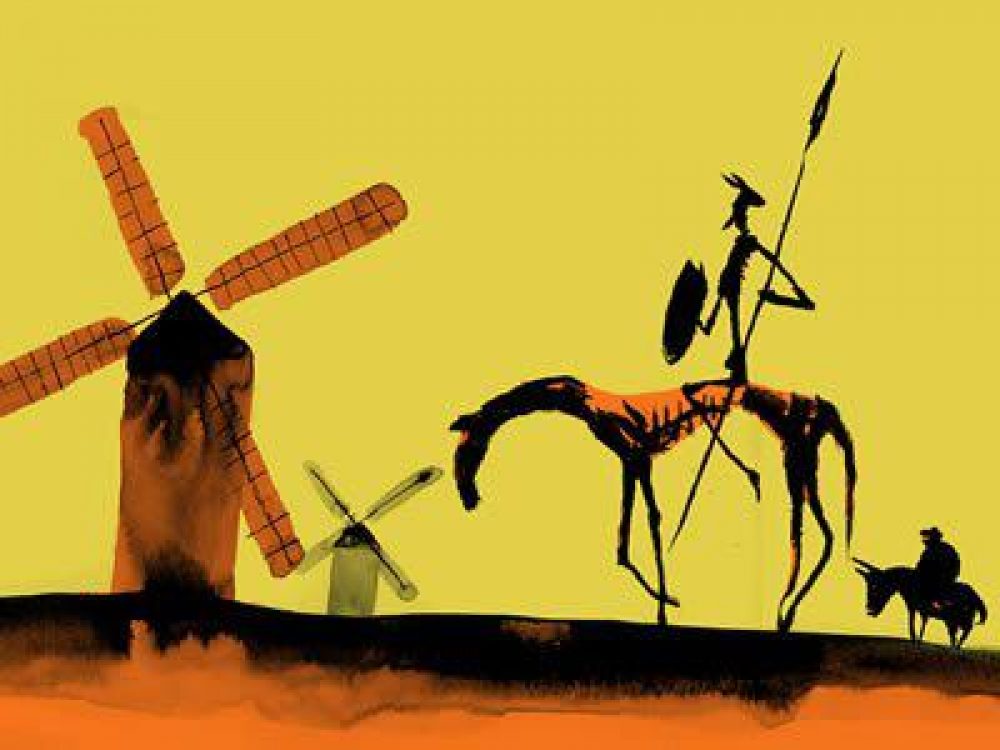



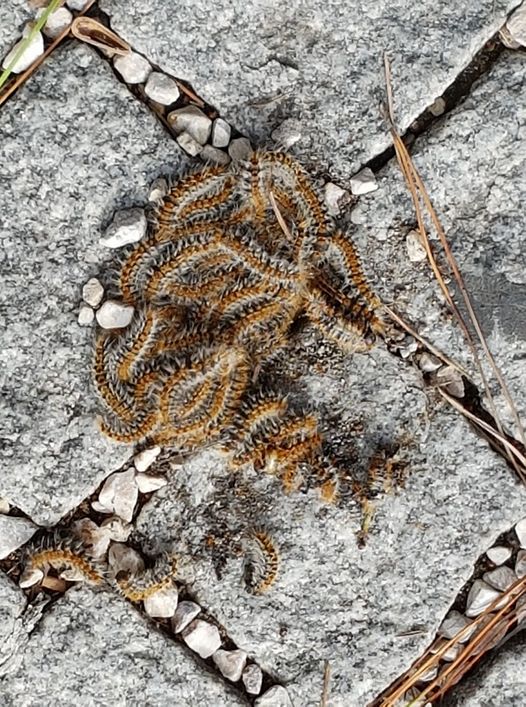


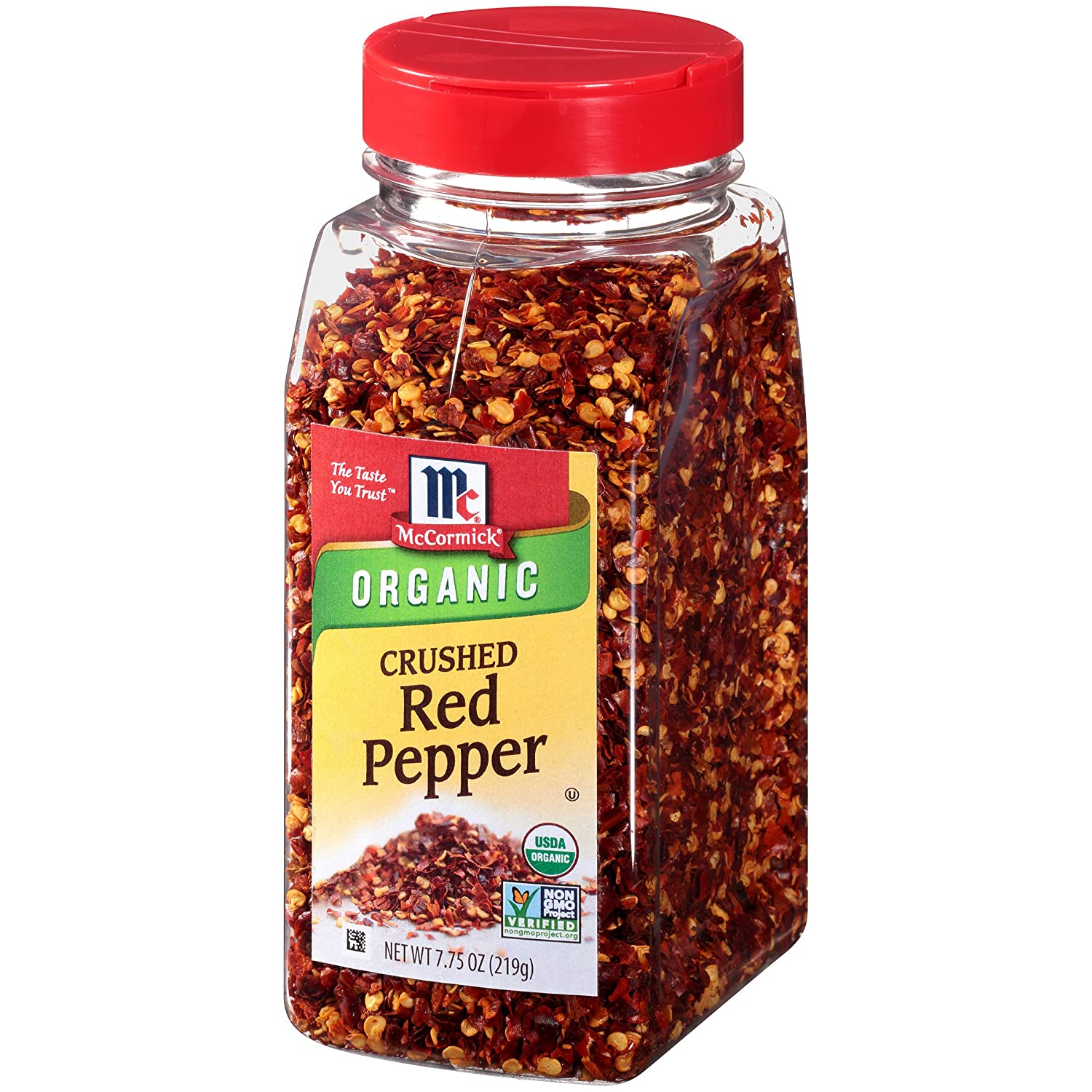




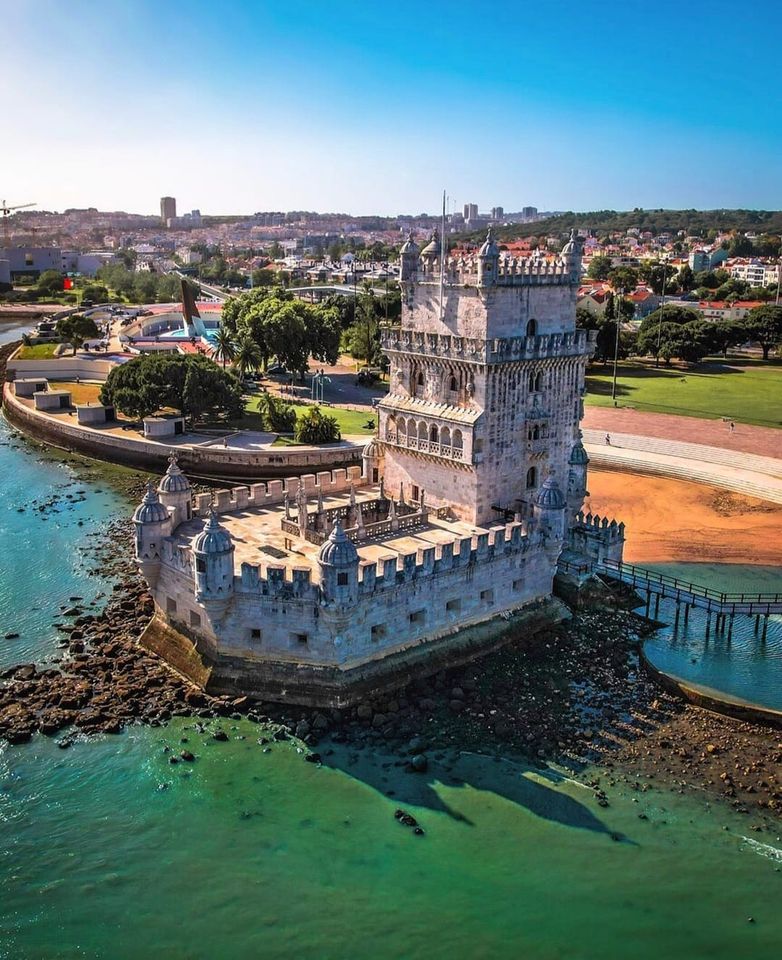



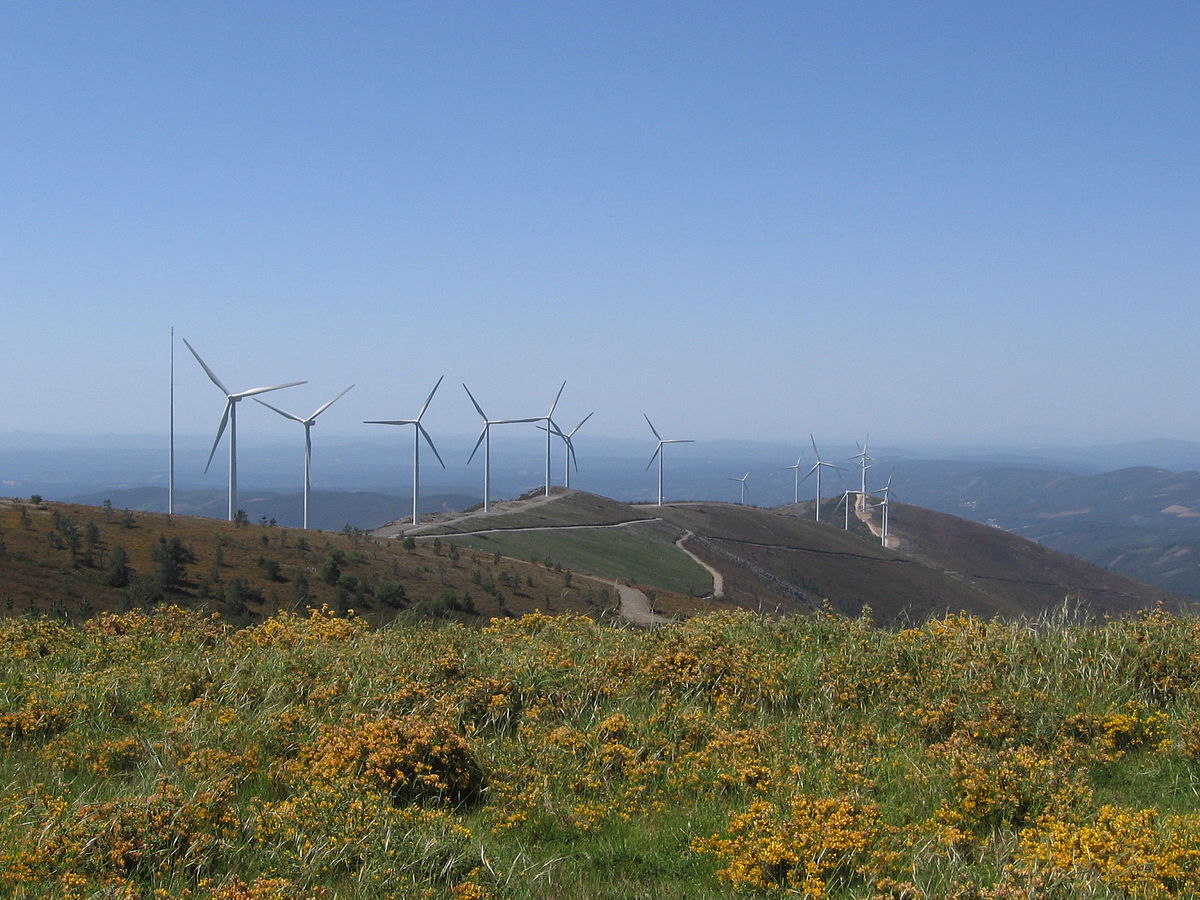









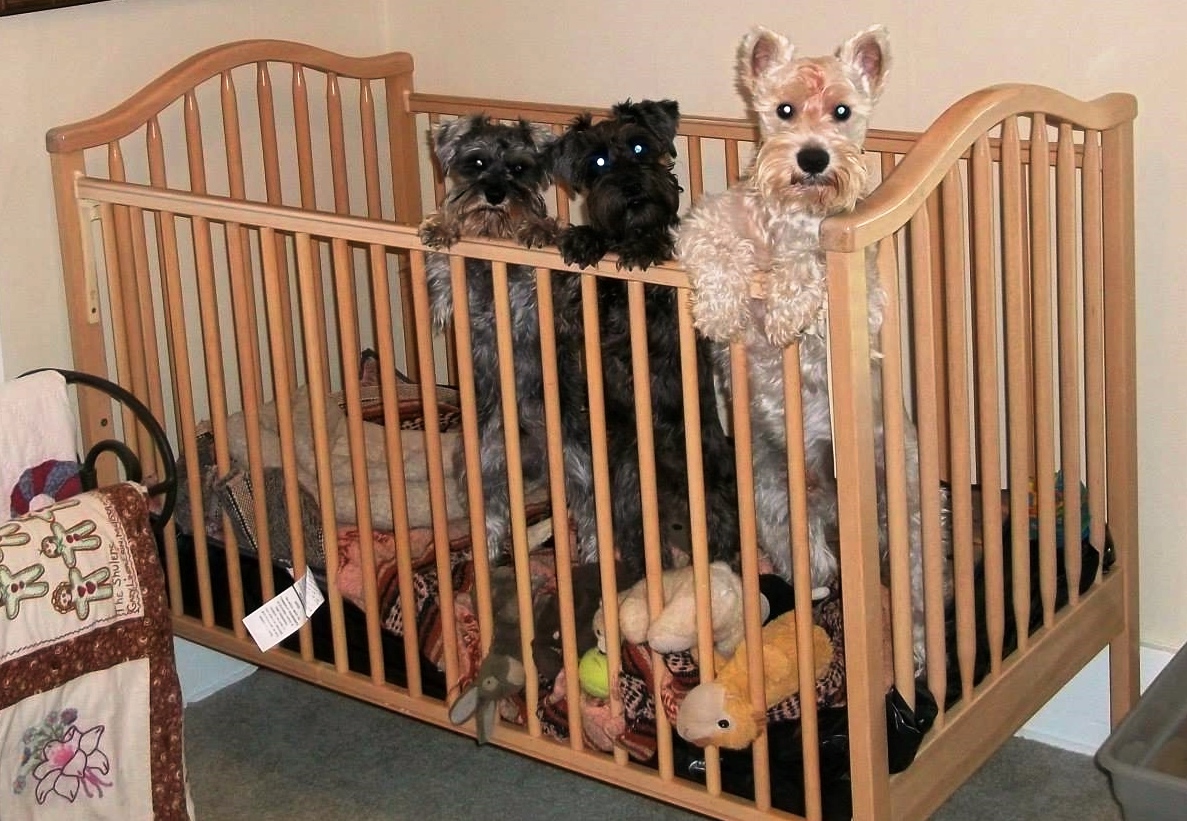


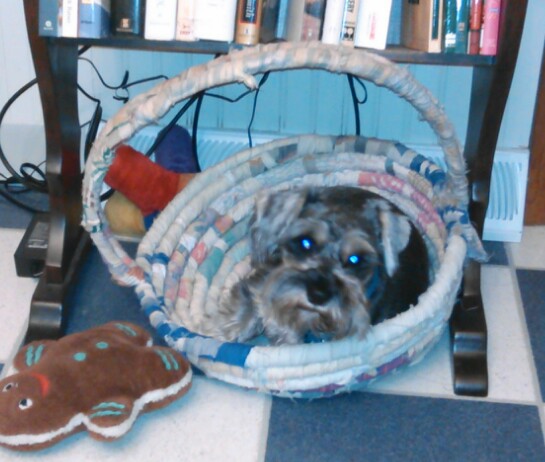
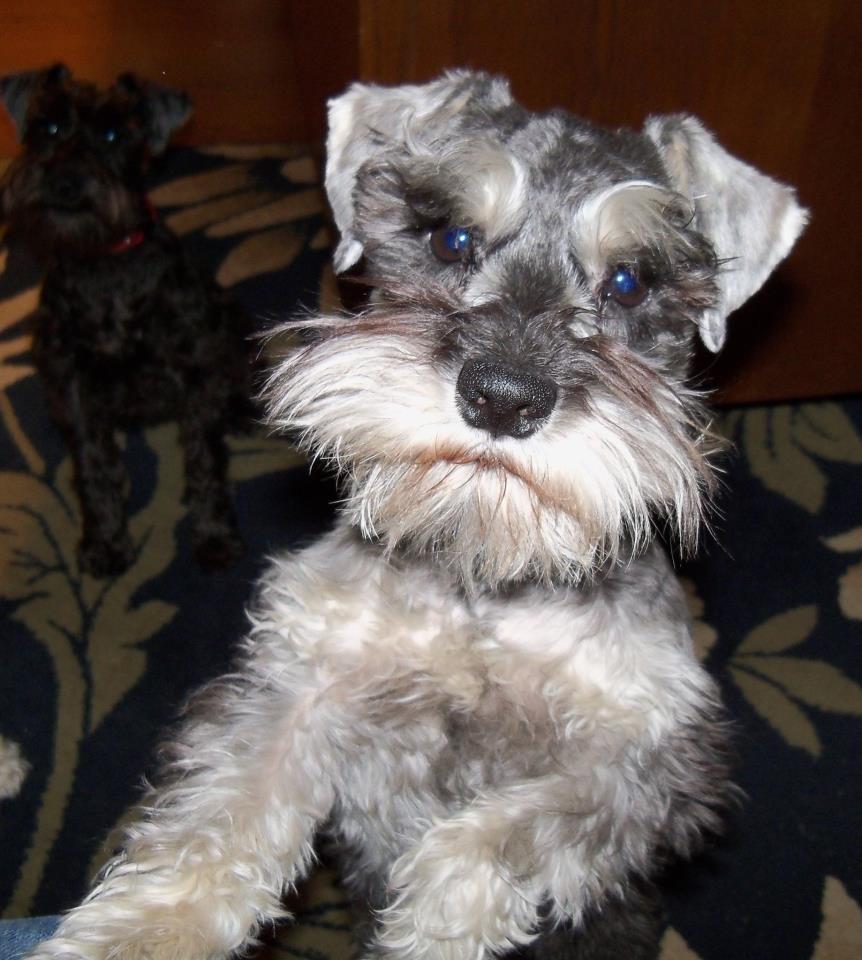
 "Exactly!"