It’s one thing to travel the world with a USA passport.
It’s quite another to apply for a residency visa and actually live — not just visit — in another country (and world).
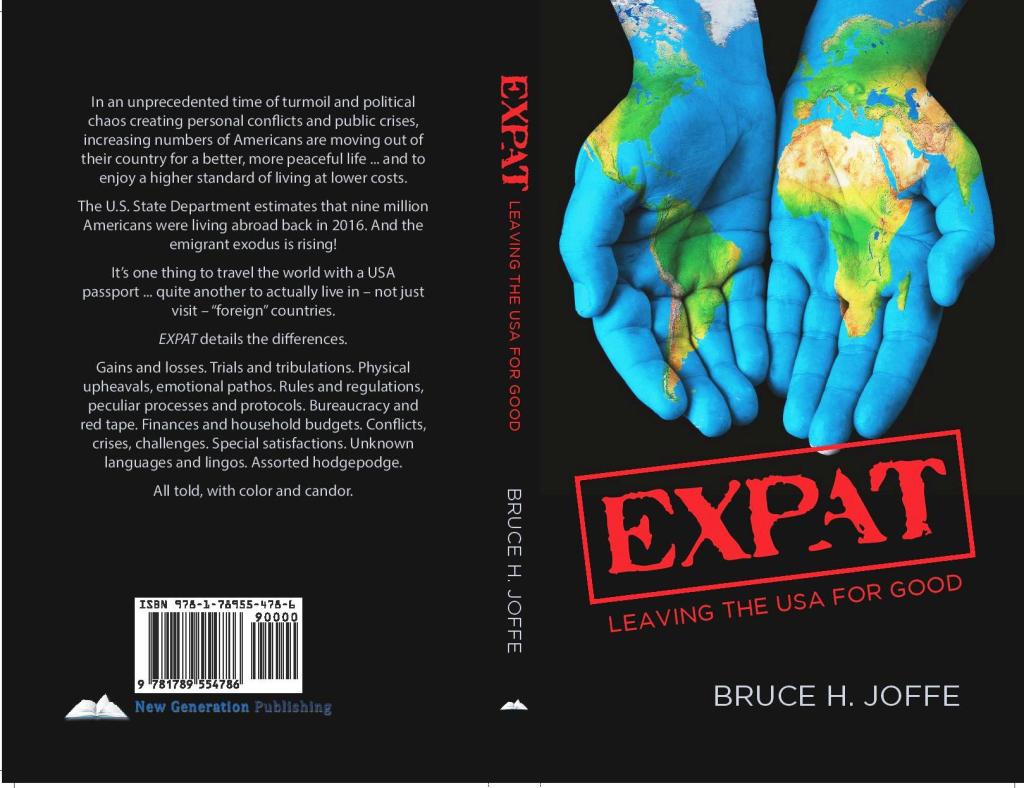
EXPAT details the differences.
Trials and tribulations. Gains and losses. Physical upheavals, pathos, emotional turmoils, and special satisfactions. Rules and regulations, processes and procedures. Bureaucracy and red tape. Finances and household budgets. Conflicts and comedy. Assorted hodgepodge.
Three major players dominate the digital communications landscape in Portugal: MEO, NOS, and the UK’s Vodafone.
We have a MEO “package” w/Internet, TV, landline and mobile phones. The service has been excellent and the rates reasonable: €49.90 per month for high-speed broadband Internet + “cable” TV with 190 different stations + a mobile phone + a landline. How much would Comcast, Spectrum, Time-Warner, et al in the USA charge for a similar package?
Anyway … overall, we’d been very satisfied with our service and bills.
Until we tried calling outside of Portugal.
A friend from the UK — who spends lots of time in Spain with us – had told us that, within the EU, all phone calls now are “free” … without additional charges. Regardless of which country your phone belongs to and what country you’re calling.
But only sometimes, it turns out …
We made phone calls from both our land line and mobile to the UK, Spain, and even France.Then we received our MEO bill, loaded with charges for all these calls (and messages) outside of Portugal.
We took our bill into the nearest MEO loja, where the helpful customer service rep explained (I think) in Portuguese, “Only calls from cell phone to cell phone are free within the EU.”
Our Brit friend didn’t buy that, telling us it’s bloody rubbish.
“I use my O2 phone in Portugal, Spain, etc. I don’t get charged for any calls I make to any phone that is in the EU, irrespective of where I am (as long as I am in the EU),” she said.
Evidently, O2 is the main UK mobile phone provider. Those with 02 can use their phones anywhere in the EU for making calls or sending data and pay no charges. But, if they had Portuguese phones, they’d be charged for data outside of Portugal, and phone calls to non-Portuguese phone numbers.
OHHHHHHHHHH … so that’s why our UK friend wasn’t being charged for her calls anywhere within the EU: Her OK phones are 02s!
Nevertheless, we made certain to use only our mobile when calling outside of Portugal. Like yesterday. We briefly called a number in Badajoz, Spain.
Immediately, we received a text message from MEO stating that our account had been charged for that call.
Back we went to MEO.This time, the helpful customer service rep drew us a picture. According to him, the new law about “free calls within the EU” refers only to roaming: If we take our Portuguese mobile phone to Spain, France, Italy, Greece, or wherever … and we call any Portuguese number, it’s free. But, regardless of which phone we use — mobile or land line — if we call another country from our Portuguese phone (number), we will be charged because it’s considered an “international” call.
“We have UK mobile phones with UK mobile phone numbers and we can call anywhere within the European Union at no charge–free!” insisted our British friend. “That’s what the new law is about!”
Yes, but only with 02 phone-provided numbers.
Mind you, we’re not complaining … we only want to understand the rules. And to color within the lines!
So, we sought additional advice.
We learned that what EU law has changed is applicable only to mobiles and, then, only when one is “roaming”; i.e., using your Portuguese mobile phone when in Spain … or your Spanish mobile in Portugal.
In addition, the calls aren’t free; they are charged at the same tariffs you would pay when on your home network. Unless you purchase an “enhanced” package of benefits, when at home in Portugal, you would pay for all international calls and texts not included as free in your plan.
“The best thing to do is to use apps like WhatsApp or Facebook Messenger when calling or texting internationally,” suggested someone more-in-the-know than moi. “They are completely free … whoever you are speaking to and wherever they are.”
Some telecomm plans offer incentives for international calling. “I am with NOS and get free calls to all European landlines from my landline after 9pm and all weekend,” the same friend continued, “which is great, as my technophobe mother of 78 does not even own a mobile phone … let alone know what an app is!”
Actually, I am right there with his mother. It’s my partner who has the mobile and makes our calls (or sends the texts). Five years ago, I killed my cell phone by throwing it against the wall and then stomping on it. Bringing the plastic bits and bytes back to the company where I purchased it, I informed them that, “When you offer a simple class showing dumb old men like me how to use these new-fangled smart phones, just ring me up!”
On my land line …
Shared here are personal observations, experiences, and happenstance that actually occurred to us as we moved from the USA to begin a new life in Portugal and Spain. Collected and compiled in EXPAT: Leaving the USA for Good, the book is available in hardcover, paperback, and eBook editions from Amazon and most online booksellers.
Processing…
Success! You're on the list.
Whoops! There was an error and we couldn't process your subscription. Please reload the page and try again.
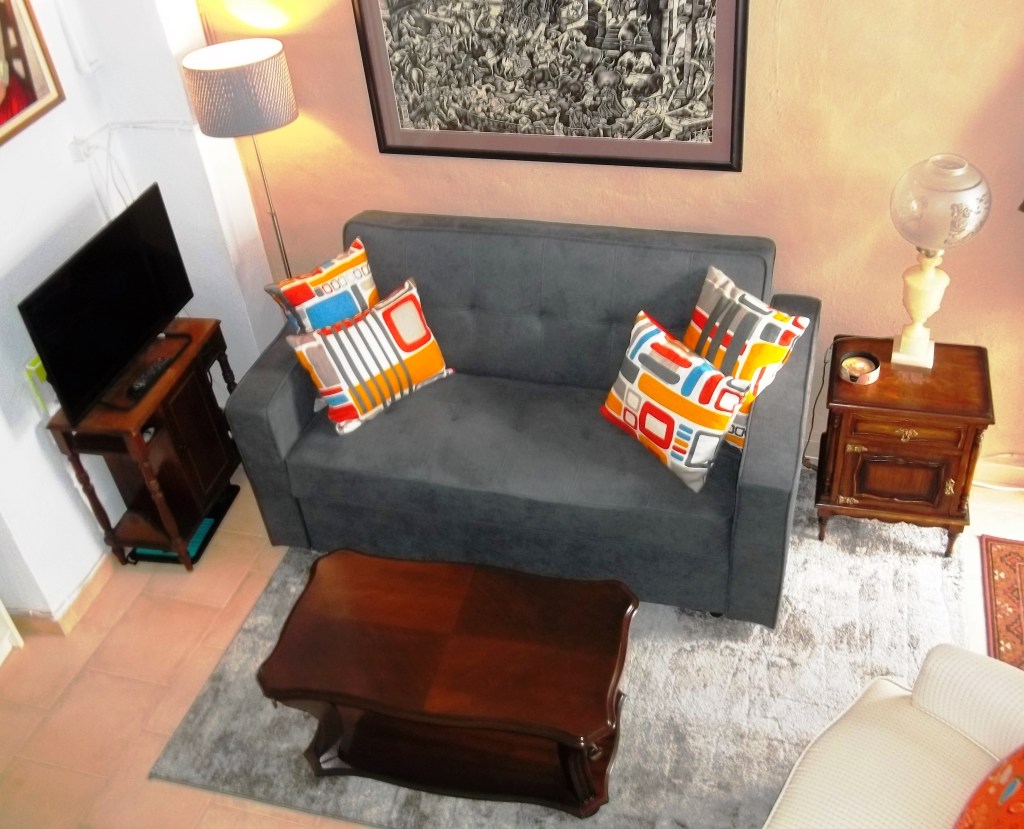
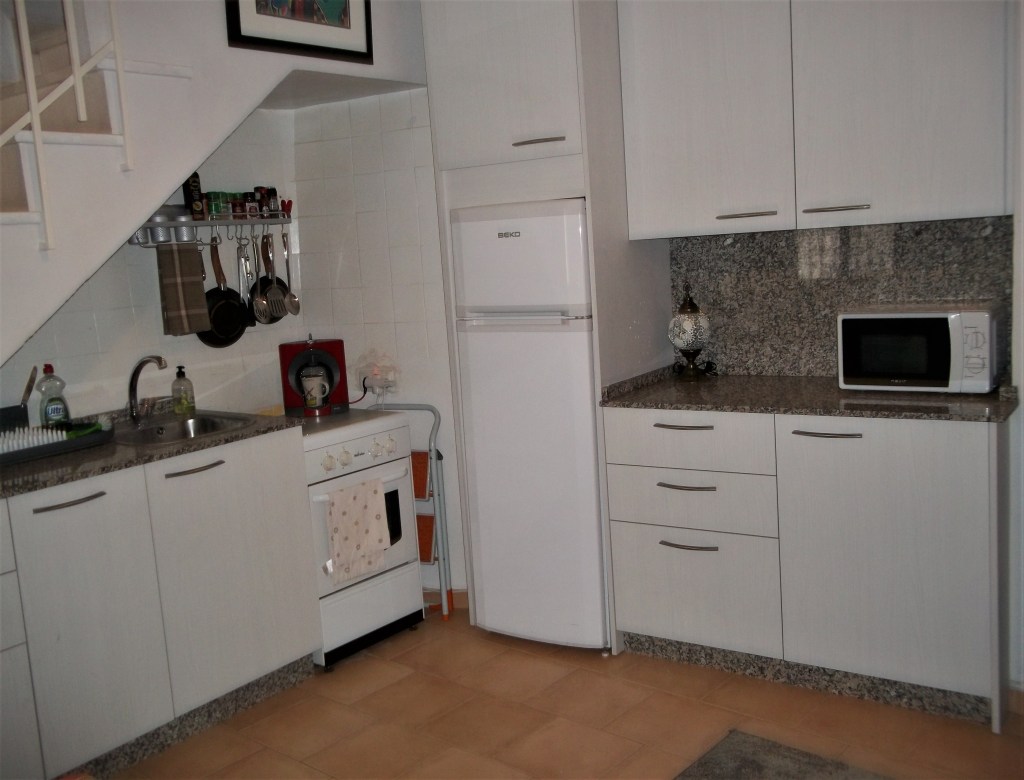
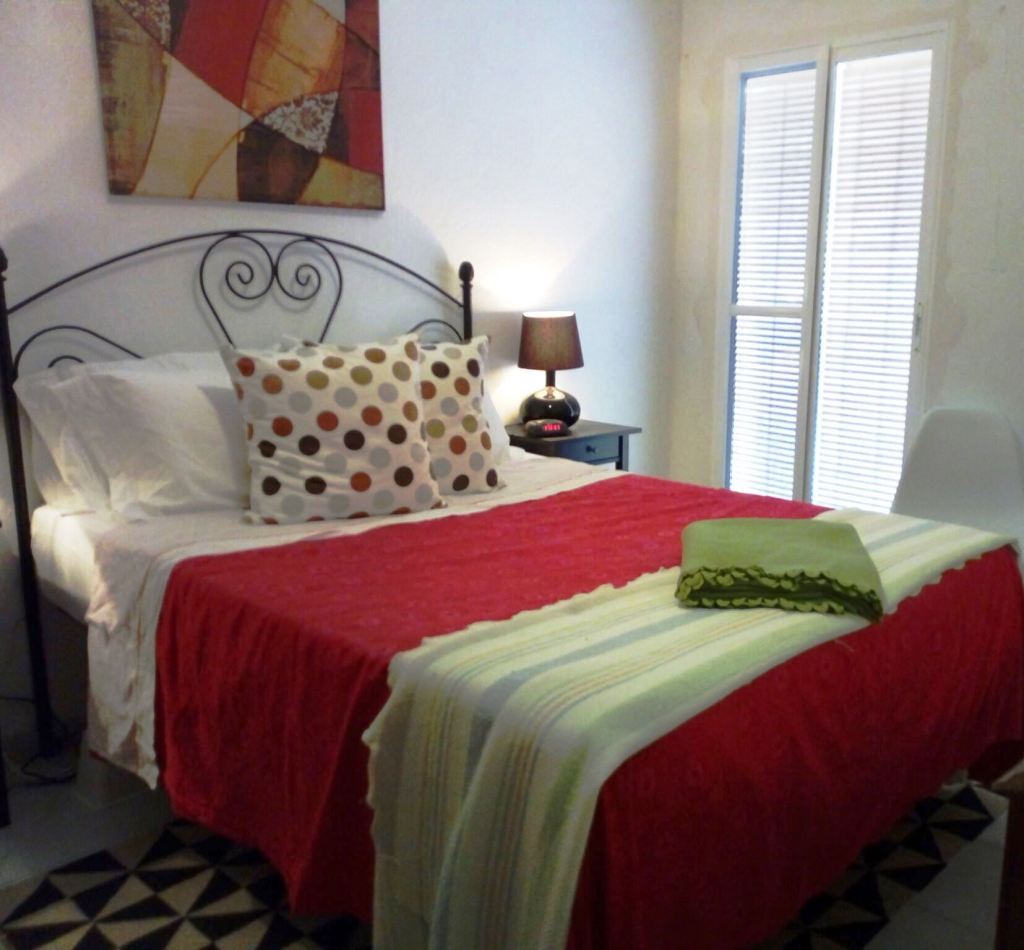
There’s just so much you can do with 55m2 (not even 600-square-feet), when one-third of the space is taken up by a bathroom and terrace. When a double/full-size (“matrimonial”) bed occupies the majority of the bedroom level. When the only other floor (ground level) measures just about 10 X 15 (15m2 at most) … and comprises our entry and reception area, an office, kitchen, eating space, and living room. Quite the creative challenge to reclaim that three-story townhouse and return it to a home that’s functional, yet comfortable and cozy.
Living room
But such was our task when we purchased a little vacation bolt in one of the “pueblos blancos” dotting Andalucia (southern Spain) almost 15 years ago … sold it to a British chap when “la crisis” decreased its value by at least 50% … and then bought it back from him when he decided that he preferred life on the coast.
We purchased the property for €43,000 at the height of the property boom in 2006; when “la crisis” hit in 2008, we sold it (at a substantial loss) for €28,000; as the financial crisis continued to plague the international property sector — and the seller was eager to sell it and move, after listing it to no avail with local property agents — we repurchased it for €24,000.
Almost half the price we originally paid … and in far better shape, all things considered.
Newly-fitted kitchen
The town is Olvera, a hamlet with a population of about 10,000 (including a great assortment of expats from more than a dozen countries), with spectacular vistas and lots of steep streets. Most of these streets would be called “alleys” elsewhere; but many do allow for two-way traffic, as well as parking on one side of the street (which often rotates on a monthly basis). Trying to move vehicles through this obstacle course of pedestrians and pets competing with cars and trucks for limited space results in dings and scratches, bangs and bumps, which the natives affectionately refer to as “Olvera Kisses.” It also makes it difficult to transport, load, and unload both passengers and cargo – groceries, furniture, supplies – since, every time you stop, the street backs up and the horns start blaring. Redecorating can be trying when one needs to remove old stuff and bring in the new.
“Office”
That’s what faced us as we made the six-hour drive from Portugal in a van loaded with two adult men, three pet dogs, and household items ranging from towels and linens to pots and pans … pet food, pet toys, and pet beds for three very spoiled Schnauzers … objets d’art, kitchen gadgets, tools, and other assorted essentials.
Bedroom
In the years since we’d sold the place, little had changed: most of the furniture, appliances, artwork, dishes and glasses that we’d originally put in place were still there – and then some – even if their current placement and arrangement didn’t agree with our personal tastes.
We emptied bureau drawers filled with odds and ends of papers and outdated manuals; we removed posters taped to the walls; we sorted through what had once been complete sets of dinnerware, flatware, and glasses; we moved furniture to discover hidden art treasures (along with other debris); we donated an oversize recliner chair to charity; we took out numerous bags of rubbish for pick up by the bin men, while a 10-year-old mattress slept on by who knows how many people went down to the dump.
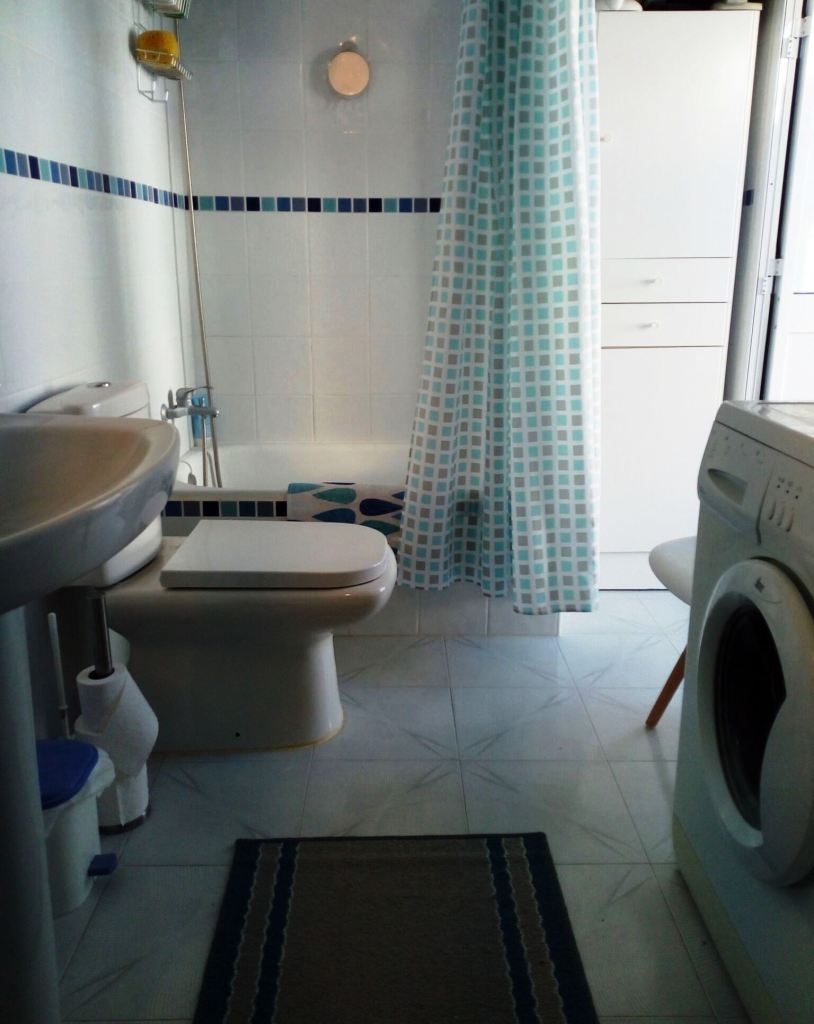
Bathroom
Then the “real” work began: replacing old, single pane windows and doors with heavy metal frames that took up valuable space by opening in rather than sliding side-to-side on tracks with bonus fly screens; painting the concrete walls which had been damaged by replacing the windows and doors (as well as the toll taken by years of “damp” and mold that build up when fresh air doesn’t circulate in unventilated spaces during the wet weather); dealing with an obsolete, overflowing water tank on our roof and a fickle water heater on the terrace; rearranging the furniture to better suit its purposes; and shopping, shopping, and more shopping for all the stuff that we needed (and things that we didn’t need but wanted).
We made what had been ours (then) ours, again.
But better!
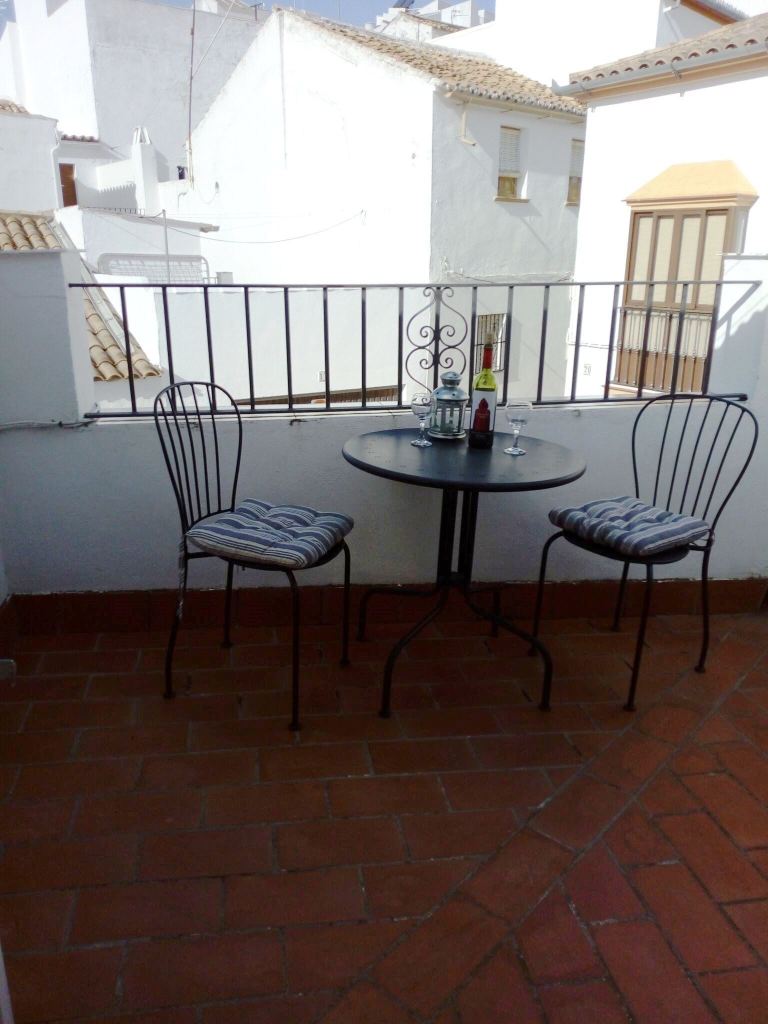
TerraceOlvera photo by Luis Francisco Fotografia
Shared here are personal observations, experiences, and happenstance that actually occurred to us as we moved from the USA to begin a new life in Portugal and Spain. Collected and compiled in EXPAT: Leaving the USA for Good, the book is available in hardcover, paperback, and eBook editions from Amazon and most online booksellers.
Processing…
Success! You're on the list.
Whoops! There was an error and we couldn't process your subscription. Please reload the page and try again.
Thinking about shipping your household goods from the USA to Portugal, Spain, or anywhere else in the European Union?
Think again. And again. Very, very carefully!
From finances to frustrations, the entire process of getting your stuff from there to here (or here to there) can take a toll on even the most patient and persevering people.
I’m persistent, yes! But patient? Hardly.
Some international shipping companies are thieves, cheaters, and liars. I’d call how they operate and charge “highway robberies,” but they’re on the seas, not on land. So, let’s just say I think they are pirates …
Start by trying to get a price quote on shipping your household goods – clothing, furniture, linens, artwork, tools, etc. – from various international shipping companies. Here’s how:
Go to Google. Enter “International-shipping-household-goods-USA-to-Portugal (or wherever).” Oilà! Up pops a list beginning with paid advertisers that supposedly are in the business of shipping your domestic drayage anywhere around the world. Most of the ad listings, especially, include “click-me” bait, offering free price quotes and/or estimates by filling out their online questionnaires on the specifications of your shipment. Your information is then shared with a number of shipping companies that will contact you, offering the “best deal anywhere,” if you’ll only complete their own set of questions, too.
Avid art lovers and collectors, all we really had wanted to ship from the USA to Portugal were about two dozen pieces of artwork that we treasured, because we’d found them in our 25 years of life together. Everything else we could leave behind: Adios, clothing. Adieu, furniture. Sayonara, dishes and glassware. Arrivederci, rugs and rags. Adeus, America.
But, time and again, we were told by these international moving companies that it’s “more practical … much cheaper, too,” to ship a full container (a contrivance that measures approximately 8’ x 8’ x 20’) than to share one with someone else or to ship – regardless of the transport means – a dozen or so boxes containing whatever.
So, we filled out the forms identifying what we would be shipping, including how many boxes and cartons of various sizes.
Responses ranged from the ridiculous to the sublime.
One highly-regarded and recommended company proposed an “all-inclusive” charge that brought its fee to more than twice what the others wanted … but they shared an invaluable nugget of wisdom: Whichever company we ultimately chose to carry the contents of our lives across the Atlantic, be sure that (1) it included destination terminal handling charges and port charges, which many don’t include or even mention; and (2) it is a member in good standing of FIDI, the largest global alliance of professional moving and relocation companies.
Based on our online communications, we narrowed our choice of international shipping companies to three. Only one belonged to FIDI. All were members of other moving industry alliances. We researched everything we could find that had been reported in reviews about each – positive and negative – and paid particular attention to their ratings and how they responded to complaints posted with the Better Business Bureau. We asked lots of questions, expressed our concerns, and requested clarifications.
Ultimately, we chose an international shipping company based on its price, communications, and reputation. Even before signing the contract and paying a deposit, we understood that the company was, essentially, our “broker” and liaison to other companies … kind of like the hub of a wheel with many spokes: the company that came to our house to pick up everything we were shipping and deliver it to the port of Chicago; the company in the port of Chicago that unloaded the truck, packed it into a container, and put it aboard the ship; the actual “ship”ping company that would transfer our goods from one of its ships to another (and another), before arriving here in Portugal; the logistics company in Lisbon that handled all the paperwork and clearance procedures with Customs; and the company that would ultimately unload our container and deliver its contents to our home in Lousa.
Before anything at all can be imported “duty-free” to Portugal, however, one first must be granted a residence visa from a Portuguese consulate. Suffice it to say that household goods and personal effects can be imported duty-free by people establishing residency in Portugal who have secured a residency visa … provided that these “household goods” were part of your previous residence and you don’t have a furnished home in Portugal.
To qualify for this duty-free status, the goods must be accompanied by a “Baggage Certificate” (Certificado de Bagagem) issued by the Consulate handling your visa. The goods must be cleared through Customs within 90 days of their arrival in the country.
Obtaining the certificate isn’t that difficult: You submit a list in triplicate of all items that you’re sending to Portugal. Each numbered page should state, “List of Personal Effects of (Name)”; it can identify items by box (Box #1: Clothing, Box #2: Kitchen Utensils, Box #3: Books, etc.) or by description (King Size Bed and Mattress, Chest of Drawers, Artwork, etc.); and all electronic appliances must clearly list their serial numbers. The Consulate wants you to leave a few blank spaces after the last listing on each page for official signatures, and this statement must accompany your list: “I hereby certify that the above items have been in my use and possession for over six months” (Signature and date). Finally, a company, bank, or certified check – or a money order – payable to the Consular Section-Embassy of Portugal must be included and a postage paid, self-addressed (preferably trackable) envelope enclosed.
With all required documents in hand, scanned and sent to the shipping company, we began packing and making certain that every box, along with every non-boxed item, was clearly numbered and identified exactly as listed on our official baggage certificate. Measuring off an area slightly less than 8 x 8 x 20 feet in our garage, we made sure that we didn’t go beyond what would fit in the container.
Recalling the fires that had left so many Portuguese homeless and destitute not far from where we’d be living, we bought blankets, comforters, quilts, spreads, linens, towels, and curtains that could be used to wrap our household goods and then donated to those in need.
Unfortunately, the shipping company had other ideas.
The company insisted that, for insurance reasons, they needed to pack and “shrink-wrap” all of the furniture that we had so carefully covered with layers of blankets held tight to their contents with bungee cords. The unused blankets and coverlets would be shipped in other boxes.
Honestly, we experienced no real problems until about three weeks before our container was scheduled to arrive in Lisbon. The Portuguese “partner” of our American agent then requested additional documents.
Because our “contribuinte” – or fiscal – numbers had been obtained for us by our Portuguese attorney when we assigned her power of attorney to purchase our house, the forms showed her address. Not acceptable. To release our container from the port and deliver its contents to our home in Lousa, our address – not hers – was required. We contacted Liliana, our lawyer. Though it was no simple matter to have our address changed on the official documents, she was able to accomplish it for us. The new documents were forwarded to our Portuguese shipping agent.
“Perfect!” they exclaimed. “Now you must send us an official copy of your Atestado de Residencia,” the document issued with a seal by the town hall of our jurisdiction and signed by its president. The Atestado declares that we are known to be living in the town. With a note hastily translated by Google and printed out, we rushed off to our local town hall (freguesia), where the document was produced for a small fee. Since the freguesia shared space with the local post office, the document was dispatched via DHL with guaranteed next-day delivery.
It got there just fine, but the document wasn’t …
“No,” said customer service agent at our shipping company. “The Atestados must state that you have been living in Lousa since the 25th of March.”
But that wasn’t true. I tried to explain that we had arrived on the evening of the 26th, due to delays in our flights. Then, each time we attempted to visit the town hall, it was closed. After all, it was the week before Easter and everything (along with everyone) was operating on limited schedules and hours. Very limited. It was April 3rd that we were finally able to get our Atestados de Residencia.
“No matter,” she replied. “It is not our choice. Portuguese law requires that the documents be worded and dated precisely as I have stated.” Well, fiddle-dee-dee. Now what? A newcomer to town, was I supposed to annoy the town hall clerk by trying to explain what was wrong, why and how it needed to be revised? “Never mind,” the agent advised. “We will take care of it for you.”
And they did. Somehow, they contacted the town hall’s clerk in our tiny village and convince him not only to revise the document, affix the official seal, get the president to sign it again, and send it via courier to the shipping company’s offices in Lisbon … without involving me or even an additional fee.
With all our papers and documentation in order, we waited for our shipment to arrive. Three times, we were notified that our ship would be delayed. Finally, it arrived: ten days later than anticipated. All things considered, not too bad.
But, then came the bills from our Portuguese shipping representatives: €420 in port charges, to be paid immediately. I dashed out to the bank and transferred the funds. Immediately, came this reply: Your balance remaining is €970,00 … another €420 in “terminal handling charges” (THC) plus €550 for shuttle van service, as our street is too narrow for a truck to park and unload a 20 x 8 x 8 container. We knew we’d have no choice but to pay for this shuttle: we couldn’t block the two-way traffic coming and going on the “main” street in town!
“Why did you wait to send me this second invoice?” I asked. “I just came back from driving to the bank to transfer the funds from your first payment request. Now, I have to go back again to transfer more money!”
Her explanation didn’t make any sense whatsoever to me but, at that point, I didn’t care anymore. It was only more money hemorrhaging. As long as the contents of our container were delivered on Wednesday …
They were.
But a bunch of stuff that we didn’t pack, the movers did – an antique chest-of-drawers, a large baking “stone,” some collectible glassware – arrived broken beyond repair. I sent emails and pictures of the damaged goods to everyone professionally involved with our move, but I still haven’t heard a word back in reply. It’s been over a week now.
As I said at the beginning of this chapter, if you are considering shipping household goods internationally, please think very carefully about it. Then, think again. And again.
Consider your options.
Shared here are personal observations, experiences, and happenstance that actually occurred to us as we moved from the USA to begin a new life in Portugal and Spain. Collected and compiled in EXPAT: Leaving the USA for Good, the book is available in hardcover, paperback, and eBook editions from Amazon and most online booksellers.
Processing…
Success! You're on the list.
Whoops! There was an error and we couldn't process your subscription. Please reload the page and try again.
In March 2017, Russ and I sold our modest home in Sturgeon Bay, Wisconsin, and walked away from the house and the USA with $135,000 in proceeds.
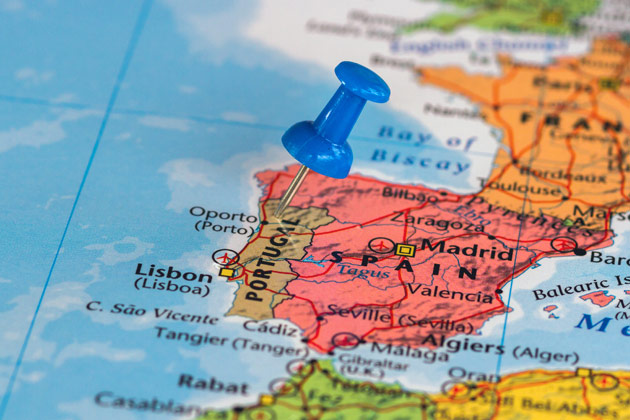
We invested the money in two Portuguese properties: one in a small village about 15 minutes outside of Castelo Branco … and the other – 18 months later – in a small village outside of Elvas in the Portalegre district, deliberately near the Spanish border at Badajoz.
(Almost fifteen years earlier, we had purchased a vacation bolt in one of the towns that dot inland Andalucía.)
While “privileged” in the absolute sense of the word, by no means were we rich, entitled, upper-class, or even upwardly mobile. One of us was about to retire on monthly Social Security payments of less than $2,000; the other earned about $1,000 per month as an independent contractor working remotely for a nonprofit organization. Yet, all three properties were purchased, renovated, updated and upgraded, then furnished (where needed) … with cash.
Takeaways from the above are that we believe in the value of real estate investments (at least here and now in Portugal and Spain); we prefer native villages, where learning to speak and understand other languages are de rigueur, rather than more “fashionable” and trendy places surrounded by other expats and immigrants whose language of choice is English; and that it’s definitely possible to purchase perfectly proper property in Portugal and Spain at remarkably low prices. Brilliant!
Each of our homes in Portugal is a study in contrasts, and quite different from our place in Spain.
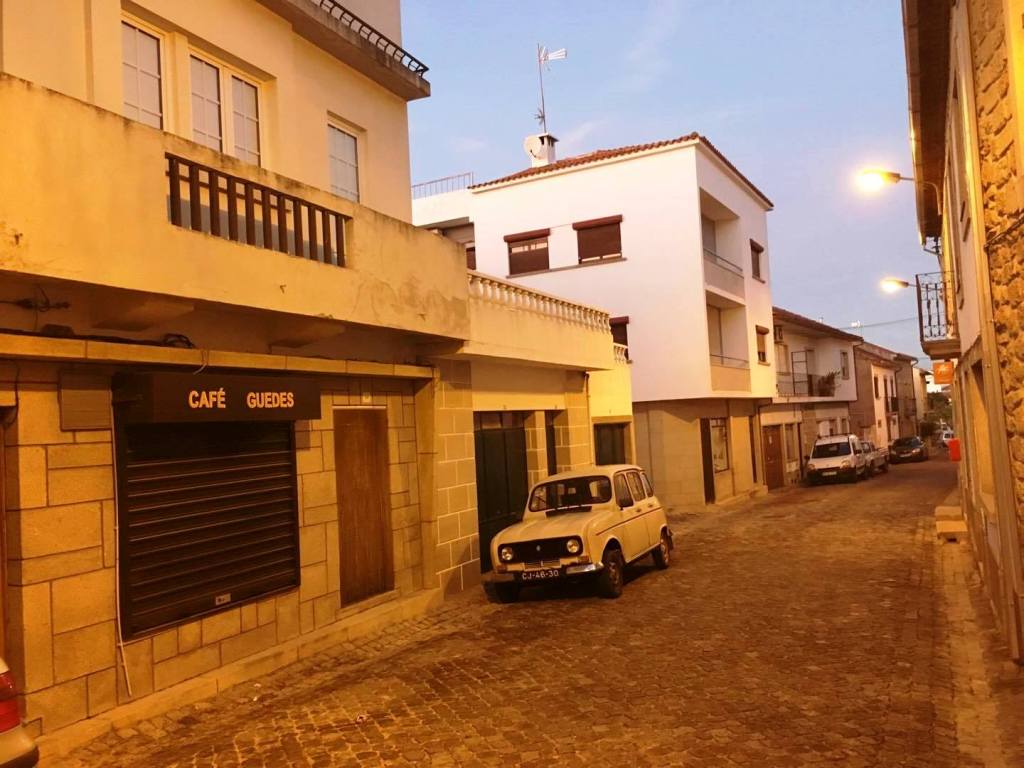
With some 150m2 spread among three floors separated by a stairwell containing 37 steps, our first Portuguese purchase is in Lousa, a village of some 600 souls adjoined by its partnered “parish” (freguesía), within 20 kilometers of the big city: Castelo Branco. Sited on Rua Nossa Senhora Dos Altos Céus – the main street in town – it’s always amazing how vehicles large and small move in both directions, traversing such narrow confines, with cars and trucks parked on one side.
One of our first neighbors told me (in Portuguese) that people in the village wondered what would possess two American men to move to such a “nondescript” yet typical village in the central core of the country. I tried to explain to her that, perhaps it was the increasingly dark Americanisms devouring the USA that motivated us to move to a place with a slower pace, peaceful coexistence, and tangible tranquility.
Lousa has all the charm one could want in a homestead. Its cobblestone streets, standard blueprint church (igreja matriz) with bells that signal appointed times of our rotes and rituals exude an aura that is truly Portugal. Like every village, it reveres several saints, although paying homage to Nossa Senhora Dos Altos Céus during an annual, four-day festival.
Bespoken are the health care center, primary school, multi-sport playground, senior day care facility, “casa de cultura,” and meeting space for the “junta de freguesía.”
Not quite so obvious, however, are Lousa’s charm and character … a place where everyone knows who you are, if not your name. What the town is missing, however, are retail shops and eateries, whether snack bar or restaurant. With two, sometimes three, cafés and two facing mini-markets along the main street, all of the action passes by our house (which, earlier, had housed the village’s most popular café—where lottery tickets were sold).
Our third-floor bedroom has four large windows overlooking the street; so, everything from funeral processions to passing sheep and achingly old diesel engines crunching up the cobbled stones looms loud, up close and (a bit too) personal.
Remember those 37 steps mentioned at the top of this tale? With three dogs but without a backyard, they need to be four times every day (eight separate outings, as only two can be walked at a time). Going up and down that staircase certainly takes a physical toll!
We do love the property, though.
The former café with its two separate restrooms (the men’s has a working urinal!) has been our gathering space, where we welcome friends and neighbors for food and drink. Behind it is a small patio, off of which is our kitchen and family room combination, where we cook, eat, and relax with our critters and Netflix. Above the kitchen, in that separate wing, is a secluded guest suite with private bathroom. Also on this first floor (as numbered in Portugal and Spain), albeit in the main part of the house, are our offices and an expansive living room. Up 18 steps from the landing is our own bedroom suite featuring an adjoining breakfast room and sleeping areas for the dogs, the master bedroom, walk-in closet, and another full bath. There’s quite a large, covered terrace comprising space for doing laundry, grilling, eating, and socializing. Atop the building is an attic with concrete floor under a new, insulated roof providing plenty of storage space.
All things considered – purchase price; major repairs to walls and floors; a new roof; upgrading the electricity throughout; new appliances: water heaters, four inverter aircon units, washer, dryer, three refrigerators, electric range and oven; and new cabinetry built to spec in the upper and lower kitchens – we spent about US $70,000 (slightly more than €50,000 at the current exchange rate). Furniture and furnishings (artwork!) were shipped over from the USA.
We had thought about selling this property, as walking the dogs during the incredibly hot and nasty rainy seasons is a royal pain, encumbered by all those stairs. But how could we leave a place that had adopted us, where we’re integral strands in the fabric of the gentry, surrounded by immigrant friends from nearby towns and villages? We couldn’t.
Until we had no choice.
Our other Portuguese property is located in what’s known as the “high” Alentejo: Vila Boim is a village of 1,200, five kilometers outside of Elvas – a UNESCO World Heritage site – which, in turn, is just about 10 kilometers from Badajoz, Spain. Around the corner and up the street are several snack bars, cafés, and an upscale restaurant, along with a bank, pharmacy, and mini-market. Our streets here are paved in asphalt, rather than cobble-stoned.
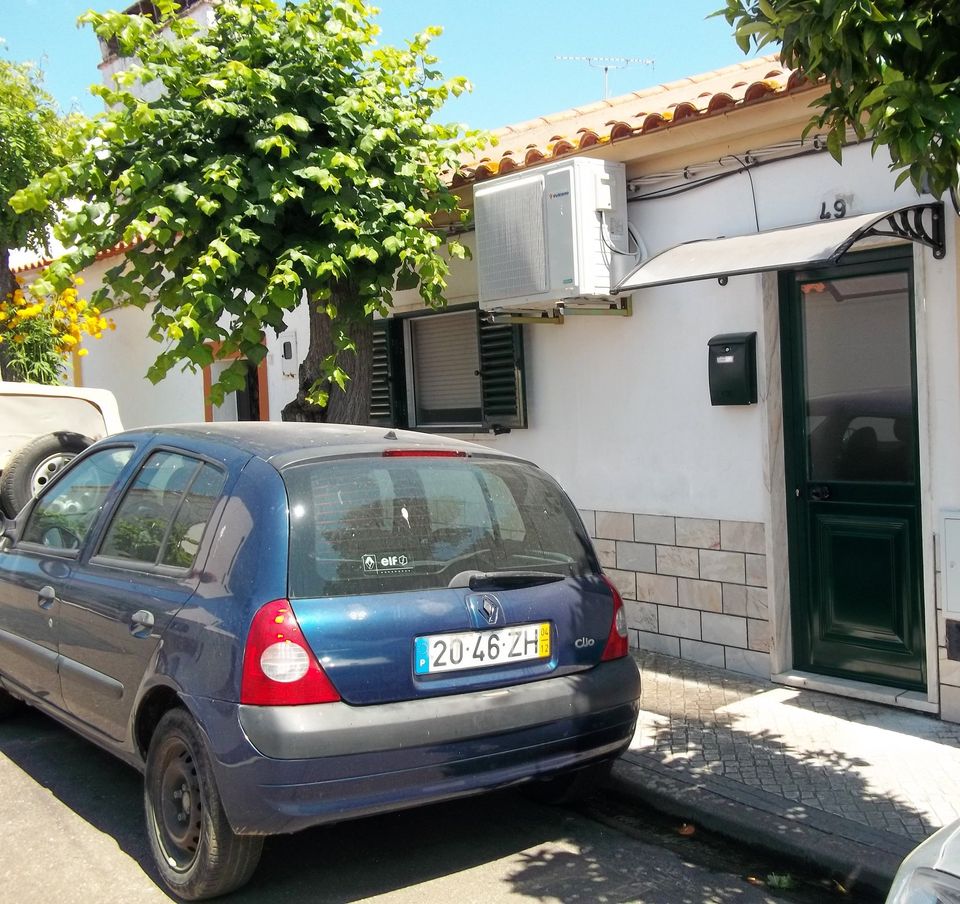
If our former place in Lousa is spacious and plentiful, this property is cute and cozy. The bungalow style, single-story structure has one large bedroom, one full bath, a spacious dining room, intimate living room, brand new galley-style kitchen, and an office … all under roof housed in a tidy 55m2. The bonus “room” is a small, bricked backyard (quintal), where our dogs can take care of their business, and a substantial storage shed. My own, special bonus is a dishwasher in the kitchen (although Russ prefers the side-by-side “American” style refrigerator and freezer). From soup to nuts, we purchased and primed this property for carefree, full-time living at an approximate cost of US $55,000 (€46,500).
Even as novice language learners, we’re aware of slight differences in Portuguese pronunciation and accents between the two villages separated by less than 200 kilometers. In both locations we have guardian angels who watch out for our welfare and help us to better understand the Portuguese people, their language and culture. Similarly, opening our front doors to knocks or the bell, we find neighbors bringing us food from their farms. In return, we take home-made meals to them: classic American cuisine: mac and cheese, franks and beans, meatloaf, cheesecakes, our own ”piri-piri” meatballs and spaghetti.
Unlike our house in Lousa, the layout and build of the Vila Boim bungalow place the bedroom squarely in the middle of the house—cutting down, substantially, on street noise. Exterior walls are at least a meter thick, providing natural insulation and keeping our heating and cooling bills to a minimum. Due to its size, it’s easier to clean, maintain, and use the premises in full than our Lousa lodging.
Besides being next-door to Badajoz, a busy and bustling metropolis, two hours were shaved off our trip each way back and forth to Spain by leaving from our Vila Boim property, rather than the one in Lousa.
(A separate post on pastorbrucesblog.com deals with our operating costs, living expenses, and monthly budget for all three properties.)
If you’ve been adding up the numbers given here, you’ll notice that we spent $125,000 of the $135,000 received from the sale of our house in Sturgeon Bay, Wisconsin. What did we do with the remaining $10,000? Half we put into savings. With the rest, we added a “fitted” kitchen and replaced our leaky, cast iron bathtub with a walk-in shower at our Olvera home.
But that is another story!
Bruce is publisher and creative director of Portugal Living Magazine, a free digital quarterly that covers the country top to bottom, east to west, inside and out. Read our current issue and subscribe at now cost:http://portugallivingmagazine.com/our-current-issue Visit the magazine’s popular Facebook Page (www.facebook.com/PortugalLivingMagazine) for dozens of daily posts and comments.
Shared here are personal observations, experiences, and happenstance that actually occurred to us as we moved from the USA to begin a new life in Portugal and Spain. Collected and compiled in EXPAT: Leaving the USA for Good, the book is available in hardcover, paperback, and eBook editions from Amazon and most online booksellers.
Processing…
Success! You're on the list.
Whoops! There was an error and we couldn't process your subscription. Please reload the page and try again.
… because we are tired of stepping in dog poop on the cobble stones of our streets.
Today, one dog – wearing a collar but no leash attached to a person – followed us as I walked our dog around town. Ours had a collar, along with a leash held in my hand. In my pocket was a stash of poopy bags. Bending over to scoop up my dog’s “litter,” the other dog lifted his leg against the wall in front of us. Immediately, a window opened above and a woman began berating me to clean up after my dogs.
Waving the plastic poopy bag in her direction and explaining that only one of the dogs was mine, “I did!” I insisted. “It’s this other dog who is making the mess … following us and not leaving us alone.
”She slammed the window.
This is the time of year that families and friends visit our village as it swelters in heat and humidity. All those vacated houses shut up for much of the year are flung open again, filled with lives producing lots of litter.
Accompanying the adults are their children and pets.
Suddenly, it’s not just one or two stray dogs meandering and messing on our streets—at times it’s nearly a dozen. Because people open the front doors to let their dogs out and about town to dispense their “necessities.”
I don’t doubt that they love them, but being responsible and respectful of others are other matters entirely … regardless of culture of local tradition.
“We are planning on spending this summer in Portugal and taking our dog,” someone recently remarked online. “He’s not very sociable and doesn’t tolerate other dogs. Everything’s fine if we walk on the street and the other dog is on a leash, too; but things get nasty if the other dog is roaming free with no leash–our dog takes it as a potential attack and goes crazy, barking and pulling unbelievably!”
So, it’s not just a matter of health and hygiene for dogs to be restrained on leashes, but the safety of others as well.
I know it is wrong for foreigners like us to move into another country, imposing our own sets of values and assessing appropriate behavior. But the laws of Portugal are being broken.
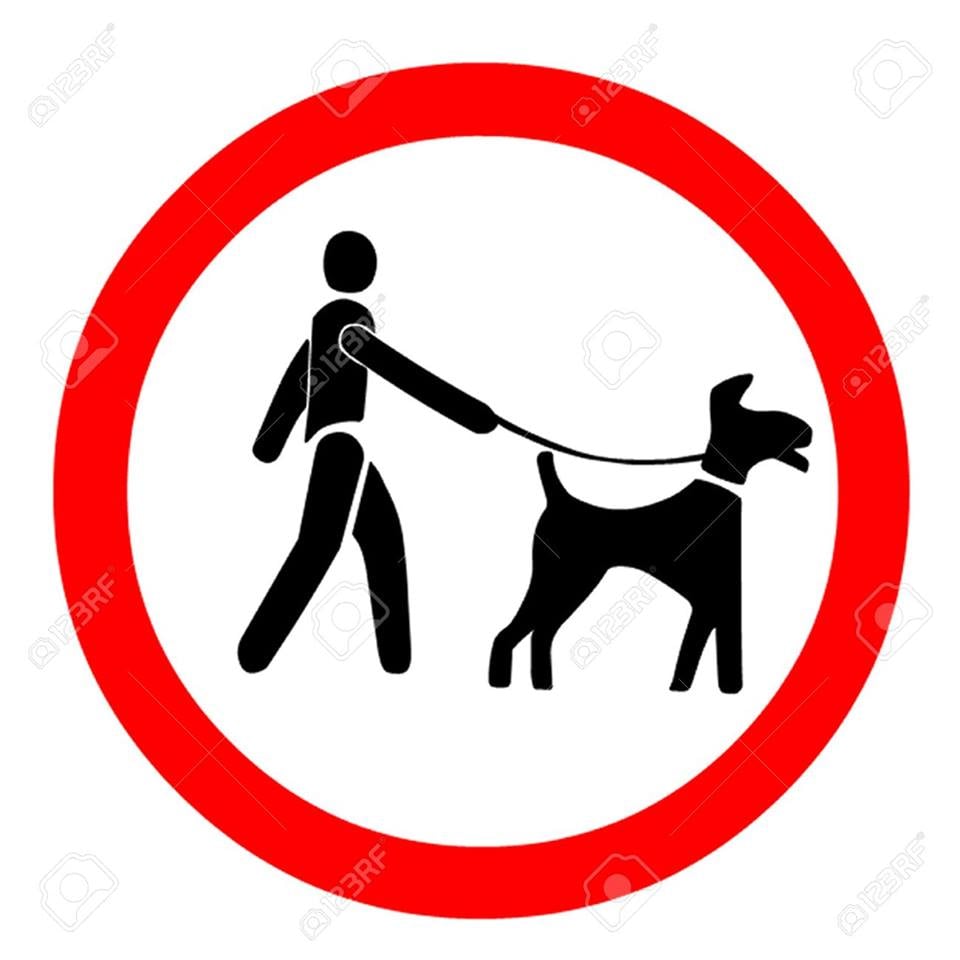
Recent legislation requires people to be responsible for their pets. According to current law, it is mandatory to put a leash on pets in public places—like our village streets.
Moreover, every cat and dog “walking” in public places must wear a collar or harness with the name, address, and/or telephone number of its owner clearly inscribed.
Dogs and cats that haven’t been neutered, but allowed to roam loosely on the streets will follow their natural instincts and biology. Which means that more unwanted puppies and kittens will either be abandoned to the streets or dealt with fatefully in a way that makes me cringe and breaks my heart … even though (some) people believe it’s more merciful than condemning them to a life on the street.
Street animals will always be with us. It’s just the way things are. My comments here aren’t about these destitute critters, but directed to people with pets: Not only are they part of your family, but you have responsibilities – legal obligations — to your dogs and cats, as well as to others who live in the community.
Noise is one of the biggest problems between dogs and the people living around them. You’re responsible for ensuring they don’t disturb your neighbors.
Anyone experiencing problems can contact the police (GNR or PSP) and request that they stop the source of the noise. If you don’t, they can alert the council … which will issue a minimum fine of 500 euros! (You’ll also be fined if driving with dogs or cats in the car that aren’t tethered to the seat belt clasps or in carrying crates or “containers.”)
In addition to walking with pets on leashes in public places (and, presumably, picking up after them), and keeping them from being noisy neighbors, Portuguese law requires that you register your pet and have it licensed at the town hall (Junta de Freguesia) where you and the dog (or cat) live.
You’ll need a health report for the animal (with an up-to-date rabies vaccination) and documentation that an electronic identification chip has been implanted by a veterinarian in the left lateral side of the neck. You then have 30 days to register and license your pets(s) … and the registration must be renewed annually.
(Leave it to Portugal to identify dogs and cats as belonging to specific categories: Category A – Pet dog; B – Dogs for your economic livelihood; C – Dogs for military purposes; D – Dogs for scientific research; E – Hunting dogs; F – Guide dogs; G – Potentially dangerous dogs; H – Dangerous dogs; and I – Cats.Category G includes: Rottweilers, Brazilian Fila Dogs, Argentine Dogo, Pitt Bull Terriers, American Staffordshire Terriers, Staffordshire Bull Terriers, and Tosa Inu.)
People, please respect the rights of others by overseeing your pets. And if you’re planning to move to Portugal (or Spain, which imposes similar requirements and restrictions on pets and their people), be aware of what will be expected of you … and your furry family.
# # # # # # # # # # # # # # #
Disclaimer: I share these stories of our experiences not to complain or seek sympathy, but because we are North Americans acculturating to another country’s norms and expectations. Information in posts such as this aren’t found in tourist or relocation guides … nor asked about and answered in most Facebook groups. Hopefully, some will learn from my anecdotes and be better prepared for the grit and grist, the grain of living abroad. We love Portugal for what it is, not what it isn’t, and have no intention of returning to the USA.
Bruce is publisher and creative director of Portugal Living Magazine. Read the current online issue and subscribe to the magazine at no cost whatsoever: http://portugallivingmagazine.com/our-current-issue
Processing…
Success! You're on the list.
Whoops! There was an error and we couldn't process your subscription. Please reload the page and try again.
“Come here for a second, Russ, you have to see this …”
En route from Racine, Wisconsin, to Jacksonville, Florida, where I had accepted the call to pastor an interdenominational church, we stopped to pick up some cat food for the kitty we’d rescued.
“What do you want to show me?” Russ asked, his hands holding catnip and toys for our three-day drive from the upper Midwest to the lower Southeast.
“Look!” I pointed at a small white puppy playing alone in a kennel crate, rolling over repeatedly and making the funniest faces.
“Cute,” Russ contributed.
“Can we ask to see him in one of the cubicles and play with him a bit? The dog is a Miniature Schnauzer. Have you ever seen a white one?”
“But we’ve got a three-day drive ahead of us,” Russ interjected. “Besides, it’s a male.”
We’d never had a male dog, always assuming females were friendlier, easier to train, more obedient and loyal.
(You know what’s said about ass-u-me!)
Discretion being the lesser part of valor when it comes to canines in our lives, within 30 minutes the puppy had become the newest member of our family … accompanied by bags filled with food, toys, and treats.
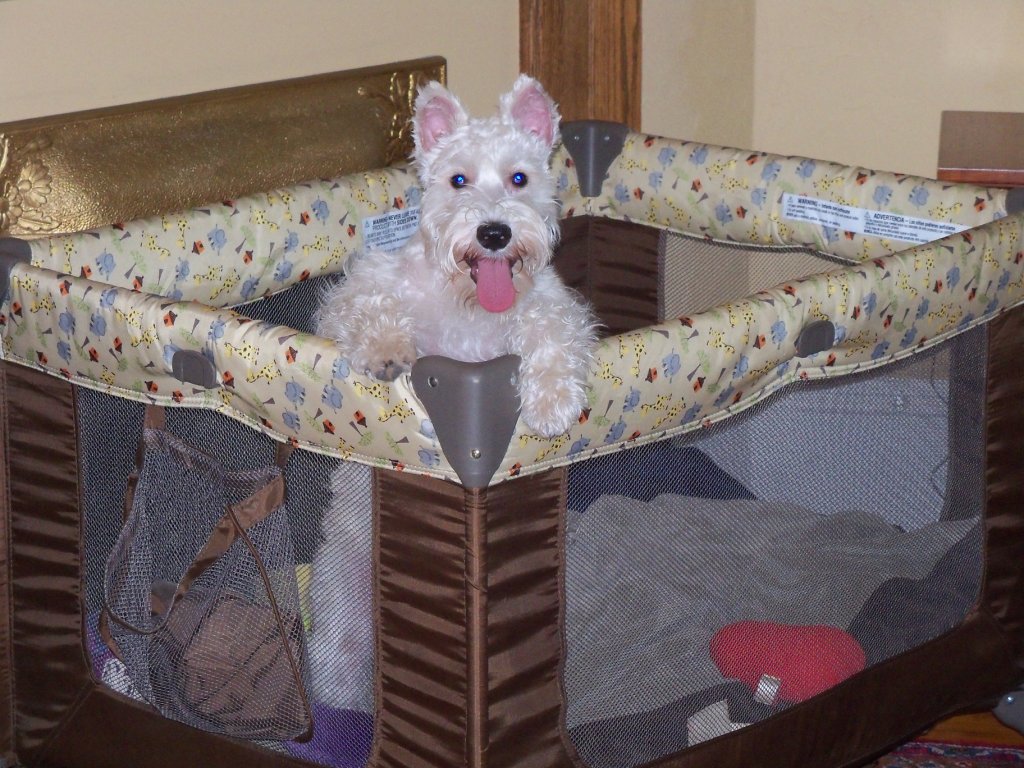
The little boy and I bonded during our drive to the sunshine state, me driving and he lounging comfortably on the rented Chevy Tahoe’s massive center console. Russ had the cat in his car, growling at him.
We named our new family member Jackson – Jax for short – in respect to our Florida destination. It was there that he’d have his first bath, his first grooming, his first set of rabies and distemper shots, his first taste of a poison (“Comfortis”) pill his sensitive system couldn’t quite handle to combat the ferocious fleas and ubiquitous bugs – flying, crawling, hiding, biting – inhabiting the same space that we did.
Walking him around our block in the Springfield area where we lived, I would sometimes encounter a gentleman walking his two dogs: a tiny Yorkshire and a larger black one that looked like another terrier.
“Is that a Scottie?” I asked.
“No. She’s a black Schnauzer.”
“I’ve never seen a black Schnauzer …”
“And I’ve never met a white one!” he said.
Jackson is the smartest, most sensitive, and affectionate dog we’d ever adopted. Yes, males can be quite loving. Still, when the cat had passed on, we decided to find Jax a female companion.
# # # # #
The chance of finding any Schnauzers in the classified ads of our local back-home-in-Virginia newspaper was next to nil. Yet, there was the ad: “Miniature Schnauzers. Home-raised. Parents on premises …”
“Should we call?” I asked Russ.
No answer was needed.
“Hi, I’m calling about your newspaper ad for Miniature Schnauzers,” I began when the phone was answered. “We’re looking for something very specific: a sweet black female. I don’t suppose you have one?”
“Actually, we do. Two pups are left: a black bitch and a salt-and-pepper male, the runt of the litter. Want to see them?”
“We’ll be right there,” I informed the pets’ surrogate parents. Looking at Russ, I then matter-of-factly stated, “You know what this means.”
The black girl was exactly what we’d hoped for; but the little silver and gray boy was totally unexpected: a bundle of joy that jumped into our laps, licked our throats, and rolled over for his belly to be rubbed. Russ shot me a look that clearly declared, “We’re not leaving with one dog. Either both of them are coming home with us, or neither will.”
That’s how we came to have three dogs – the “children,” as we refer to them – who totally have changed our lives.
# # # # #
If and when you decide to make a major move, to another country across the great pond, in addition to your own visa requirements, you need to ensure that all of your pets’ paperwork is properly presented. With pets originating in the European Union, you get official pet passports that enable them to cross borders. For pets coming into the EU from the USA, you work with your veterinarian and the U.S. Department of Agriculture to complete comparable documents, reasonable facsimiles.
Before all this happens, however, you must deal with the airlines if you won’t allow your pets to be transported in the plane’s cargo hold.
Because of disabilities, physicians qualified our dogs as Emotional Support Animals to fly with us in the cabins of three American Airlines’ flights—between Green Bay, Wisconsin, and Madrid, Spain. Upon landing in Madrid, authorities hardly glanced at all the details and data included on the 11-page document. They simply scanned the spots where each of the dogs had a microchip inserted and confirmed their numbers matched the papers.
The person handling our rental car warned us that, in Spain and Portugal, dogs and cats must be “restrained” in vehicles, either by keeping them in their carriers or affixing them to the seat belt locks through a simple device where one side connects to their collars, the other to the seat belt buckles. Amazon sells a set for about ten dollars.
Somewhat comforted to find great vets who speak English, you make an appointment and bring your pets in for exams – “consultations” – where you spend over an hour together and more than €200 … which not only includes thorough exams, but eight-month collars to guard against fleas, ticks, and the dreaded Leishmaniasis, more medicine to combat it and yet more medicine to guard against heart worms.
“You must realize,” the vet warns, “that dogs and cats from other countries (i.e., the USA) are more susceptible to disease, mosquito bites, and attacks.” In a plastic bag are the medicines, dosages and schedules they’re to be given, brochures, and other paraphernalia; you’re handed directly three official pet passports (included in the fees), enabling your dogs or cats to travel between EU countries.
In exchange, you hand over your Multibanco card and cringe when the ticket prints out a receipt for two hundred and eight euros, equal to about US $242.00. Then you remember how much time the vet has spent with you and your three pooches; all the medications, pills, and elixirs you’ve received to take home; the three, 3-in-1 combination vaccines protecting your cherished ones against Bordetella bacteria, Canine Parainfluenza virus, and Adenovirus Type 2. How much would all that have cost you in the USA? Undoubtedly, a heck of a lot more!
And when the vet hands you the itemized “factura” (invoice), you learn that professional health care for your pets is tax-deductible here.
# # # # #
Pet passports in hand, you and your pets now need licenses from your local junta. “You will want to have them,” your veterinarian advises, since without licenses, the police can come and take away your pets if people make complaints.”
Each of our dogs gets a license. Just € 10 for the first year—for all three, less in following years. We leave with the distinguished documents, words offset by seals and stamps and signed by the junta’s president.
Just when we think there won’t be anything else the dogs need, the devil pays a house call: one, then the others, fall sick. We grieve their pain, discomfort, and suffering, even as we curse the ceaseless messes everywhere. So, we make another appointment with the vet.
This time we bring just Jax, as he’s the only one sick at the moment. Again, we’re impressed by the thoroughness of care and concern shown by our dog’s doctors: a physical exam … x-rays to ensure there’s no “foreign” matter in his intestines (or other internal parts) … nearly an hour’s worth of IV solution to replenish the liquids lost during his “accidents” and absence of appetite … antibiotics by injection … pills, antibiotics plus probiotics to help him heal at home … advice to boil a skinless breast of chicken and some rice, feeding him in small doses.
The veterinarian hands us two little bags of pills and her card with the practice’s 24-hour emergency line, then jots down her own personal phone number on it, too. “If Jax isn’t improving in 24 hours – or if he has any more problems – call and bring him back tomorrow,” she said.
Ninety-four euros. The bill for all that attention!
Jax began to improve almost immediately. But the two littles ones quickly came down with the same symptoms. We concluded the problem was food poisoning, not from something they’d picked up in the streets from well-meaning people who’d leave bones and gristle for the town’s homeless animals. No, the problem was with their food.
We’d purchased the best food available– dry and canned – in a shop similar to Fleet & Farm, since everything in the supermarkets has cereal as a primary ingredient and far too much fat for dogs who suffer from pancreatitis.
Forcing them to swallow their pills, followed by feeding them the boiled chicken and rice, all three quickly regained their health. Portuguese friends recommended a new pet supply shop that had just opened, where we purchased excellent low-fat and grain-free dry food: just two small bags (2-3 kgs), along with four cans of low-fat, “all-natural” food without any additives—turkey with raspberry, chicken with pineapple, chicken with apple, and chicken fillets.
With a new customer discount, our bill totaled € 33—almost US $40.
Whether standard, off-the-shelf supermarket brands heavy with fillers, or highly nutritious specialty foods found only in limited locations, pet foods are among those daily breads (or breeds) that can cost more here in Spain and Portugal than in the USA.
Even so, the money is well spent on health care for our families.
Shared here are personal observations, experiences, and happenstance that actually occurred to us as we moved from the USA to begin a new life in Portugal and Spain. Collected and compiled in EXPAT: Leaving the USA for Good, the book is available in hardcover, paperback, and eBook editions from Amazon and most online booksellers.
Processing…
Success! You're on the list.
Whoops! There was an error and we couldn't process your subscription. Please reload the page and try again.
We know people who take trips to fabulous places by air, sea, and land. Some of them have been almost everywhere the world wantons, seeking its seven wonders and exploring places far from the beaten track.
For them, it’s one exciting trip after another, going to places most of us only imagine and dream about, courtesy of TV’s travel channels and the worldwide web.
What wonderful opportunities to be strangers in strange lands, to get away – truly away – for the vacation of a lifetime (or two).
We, however, have chosen another path … towards destinations that many simply cannot fathom: While enjoying periodic cruises, shopping for stuff purchased impulsively on a tourist’s whim, and seeing how other people live (albeit from an American perspective), we prefer to return – year after year – to the same two places: a Spanish town where we’ve spent a month unwinding after nearly a year’s worth of frustrations and, a small village in Portugal where dealing with frustrations occupied much of our time. More recently, we added another small property in Portugal–this one is on the Spanish border by Badajoz.
Sometimes, if we could manage it, we made more than one trip to these places … spending an additional ten days to two weeks there the same year.
I not only got to speak with the natives, I spoke as the natives do … picking up new slang and jargon, along with rapid fluency. Where and when I couldn’t converse, I learned how to communicate.
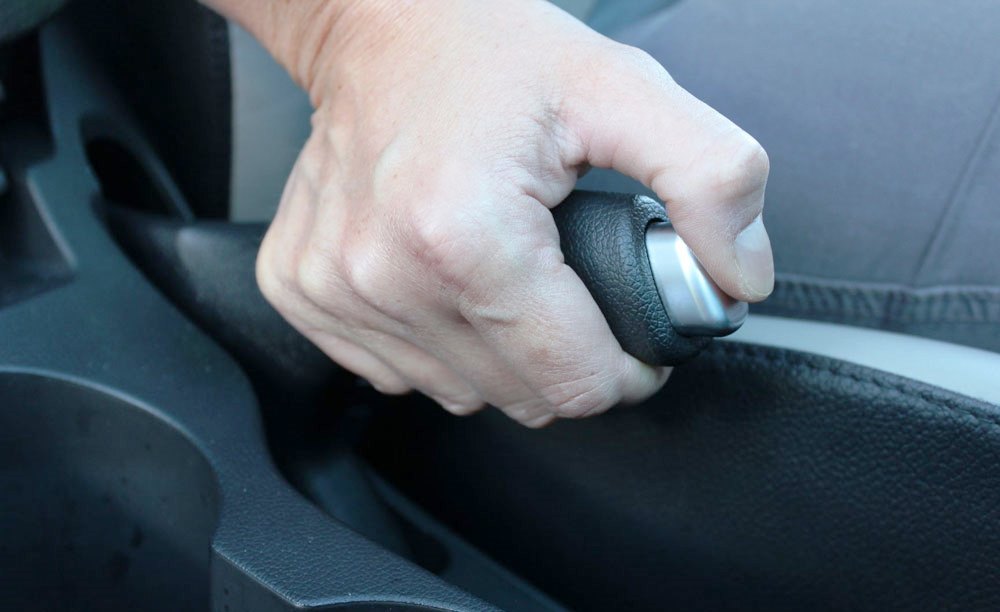
For a month, we moved around with the locals—either walking a lot or driving cars with clutches that required us (sometimes) to pull up the emergency brake when forced to stop and then start again in the middle of a steep hill, with traffic honking behind us. For a month, we ingested different kinds of foods and “delicacies” (pig jowls, snippets of bull tails, pizza made with unusual ingredients, linings of cow stomachs, etc.). And, for a month, we tried not to eat three meals daily – breakfast, lunch, and dinner – at our “normal” times: morning, noon, and (very) early evening … but, instead, to consume smaller “tapas” portions in the mid-afternoon and evenings (although we preferred to eat at 7:00 PM, not 10:00 PM).
But the biggest difference, we’d found, between being travelers passing through and living as part-time residents was learning to accept that other people and cultures tend to do things differently than we do … which is perfectly all right.
Take patience, for instance—something I am sorely lacking.
In Iberia, we may wait at the bank for an hour or more while those ahead of us receive “personalized service” from customer reps. We had an 11:30 appointment at the Notario (the ultimate “lawyer’s lawyer” in many EU nations), only to be seen an hour later than scheduled because the Notario’s attention had been diverted by other matters. We sat in our attorney’s office for much longer than planned because – like our insurance agent – he takes the time (as much as needed) to be interrupted by telephone calls, other people coming into the office “just to ask a question,” and whatever business our agents can conduct while we’re sitting there with them.
We have come to understand that when contractors tell us they’ll be here at 10:00 but don’t show up until 11:30 – and then take a two-hour lunch – before returning and working until 19:00 or 20:00, it’s not because they’re lazy or taking advantage … it’s because the hands of a clock don’t control them. They move to the beat of different drummers.
Ultimately it’s been good for us, learning to live in another culture that’s different from our norm, and that a “mañana mentality,” once adjusted to and accommodating it, indeed can be healthy.
In 2017, we no longer took month-long “vacations” to our Spanish town and village in Portugal. We stayed. We became residents, if not citizens, of international oases where we’d passed snippets of our lives. For lots of reasons – practical and political – we decided to make Portugal and Spain our home.
We have come to understand that we’re no longer wayfarers or tourists, but rooted residents, part and parcel of places welcoming us to new homelands and communities.
Shared here are personal observations, experiences, and happenstance that actually occurred to us as we moved from the USA to begin a new life in Portugal and Spain. Collected and compiled in EXPAT: Leaving the USA for Good, the book is available in hardcover, paperback, and eBook editions from Amazon and most online booksellers.
Processing…
Success! You're on the list.
Whoops! There was an error and we couldn't process your subscription. Please reload the page and try again.
The Bureaucracy Begins: Applying for a Long-Term EU Visa
Professor/pastor probing media, religion, gender, international living, and allied cultural norms.
These words inscribed on Facebook, LinkedIn, and other social media sites profile how I imagine myself.
So, there: now you know enough about me.
Reading between the lines, however, would inform you that we had moved around the USA quite a bit – living in New York, Virginia, Maryland, Wisconsin, Florida – as career changes and professional opportunities beckoned. Fluent in Spanish, I traveled throughout Mexico, South and Central America, as a liaison for international adoption agencies.
As mentioned, my better half and I had long considered living in another country and experiencing a different culture. Learning a new language to converse and communicate, we believed, was an admirable goal. Some people are so defensive of their own ways and means that their sense of identity and nationalism is threatened when other ways are engaged in and embraced.
With credentials from the University of Madrid, a vacation bolt in Andalucía, and a growing circle of friends there, Spain seemed a natural first choice for us. But the process of applying for and being granted retirement residency in Spain can be onerous and demanding at best, next to impossible at worst.
Many countries of the European Union are also part of what’s known as the “Schengen” zone. The same Schengen application form is used to apply for residency in any of its 22 EU nations. But the interpretations of myriad functional requirements often vary from country to country.
Take finances, for example.
All Schengen countries want to know that you have the financial means to provide adequately for yourself and your dependents, without being a burden on the country and its economy. All countries seek proof that you have the necessary wherewithal—albeit from Social Security, other pensions and annuities, investments and savings, bank accounts, even credit immediately available via “charge” cards.
Spain dictates specific annual earnings expected retirees must receive: “The minimum income required is 400% of the IPREM (Public Income Index) annually plus the required percentage per each additional family member.” At the time, that meant, for a retirement visa and residency in Spain, one was expected to receive no less than $2,500 per month or $30,000 a year. Add $7,500 more for each dependent. I’m told that now, for some reason, those amounts are slightly less.
Wow!
How many Spaniards – especially those living in small towns throughout the country – earn that kind of money? Very, very few! For a country where the cost of living is so relatively low, I maintain Spain is shooting itself in the foot by requiring such high income levels from prospective retirees who would likely support the economy by spending money on their homes, food, and lots of leisure time activities.
Consider Portugal, now: €14,000 annually is an approximated income you have to make to get a “D7” residency visa in Portugal. But it can change depending on the number of “dependents” (wife, children, etc.). That amount is basically considered 100% of the minimum wage (MW) required for the husband/or wife (the visa’s owner) + 50% of the MW for his wife/her husband. For each child, it’s 30% of the MW. Portugal’s 2018 monthly minimum wage was 580 euros … although in 2020 it’s almost 700 euros..
Unless it has changed, financial means or financial subsistence in Portugal doesn’t require proof of income, simply proof of access to funds. Savings, bank accounts, investment funds, etc., all count as money to which you have access.
“You can qualify for permanent residency in Portugal simply by showing a reliable minimum income of at least 1,100 euros per month,” U.S. News & World Report reported. “This program is not intended specifically for retirees and is open to anyone. You can apply and qualify at any age, and the income you show can be earned or passive.”
In other words, money in banks … savings and retirement accounts … investments … even a line of credit on your “charge” card will count towards meeting your financial means in Portugal, as long as you have access to the money. The same holds true in many other EU countries: Italy and France are particularly popular, among others.
The process of applying for the right to reside in a Schengen EU country includes completing and/or acquiring much time-consuming paperwork, lots of patience, and more money than might be imagined. Included among the documents (some only available for a fee) required to be submitted with the official visa application: Original passport, a copy of the passport, and another accepted form of identification (driver’s license, state ID, or voter’s registration card). Plus a copy of this. A notarized document explaining why you are requesting the visa … the purpose, place, and length of your stay (and any other reasons you need to explain). Proof of permanent retirement income from an official institution (social security and/or private source) to live without working. Proof of accommodation: either a lease or title deed of property you own. Proof of other sources of income or properties (if applicable). Proof of health insurance with full coverage, necessarily including repatriation coverage. Criminal History Information/Police Background Check, which must be verified by fingerprints. It cannot be older than three months from the application date. The certificate must be issued from either the State Department(s) of Justice from every state you’ve lived in during the past five years. This document must then be legalized with the Apostille of the Hague Convention by the corresponding Secretary of the State. Alternatively, FBI Records, issued by the U.S. Department of Justice and legalized with the Apostille of the Hague Convention by the U.S. Department of State in Washington, DC, are acceptable. (A local police background check will not be accepted; but you must also get a police record from the countries where you have lived during the last five years.) A recent doctor’s statement signed by the physician on the physician’s or medical center’s letterhead (not older than three months in) indicating that you have been examined and found free of any contagious diseases according to the International Health Regulation 2005. Married? Your spouse must submit the same documents as you, together with a marriage certificate (original, issued in the last six months, plus a photocopy). Minor children must also submit the same documents as the applicant, along with original birth certificates issued in the last twelve months … and a photocopy.
Quite a list, huh? But, that’s only the beginning!
For Spain, every document submitted must be translated into Spanish … and not just by anyone. Only “certified” translators identified – many of whom charge @ $40 per page to translate – are acceptable. Despite being fluent in Spanish and having taught the language for quite a few years, I wasn’t on the list and couldn’t do our own translations.
But, for us, the real sticking point was the annual retirement income requirement. We owned (without a mortgage) our home in Spain and could live quite comfortably in our small town on my monthly Social Security payments. Nonetheless, $1,700 per month supplemented by a $250 private annuity didn’t come close to the $2,500 Spain required. Especially not when factoring in my spousal dependent.
We could enjoy visiting Spain twice each year for up to 90 days per visit when separated by 180 days … but we couldn’t live there full-time.
Bem vindo, Portugal!
Processing…
Success! You're on the list.
Whoops! There was an error and we couldn't process your subscription. Please reload the page and try again.
Since my public school days, I’d seen a president assassinated, the murder of his assassin, and the capture of his assassin’s assassin … all reported by the media, often “live” on our black and white TVs.
Later, I saw that same president’s brother assassinated as he, too, campaigned to become our country’s number one man.
I’d seen a Democrat – from Texas yet! – inherit the presidency, but decide not to seek another term because we had become so deeply entrenched in a war triggering marches on Washington and uprisings at campuses across the country (where students were shot dead by “first responders”).
I’d seen a president and his vice-president, both disgraced by scandals, resign from the two highest offices in the land.
I’d seen our first “unelected” president, when a guy-next-door congressman – but not the Speaker of the House – succeeded his predecessors.
I’d seen a well-meaning peanut farmer from Georgia elected president, a decent and truly Christian man, relegated to the back burners of history … remembered more for his brother’s beer than his own accomplishments (which finally are being realized and accredited).
I’d seen a beloved, second-rate actor become president and be shot (along with others) in front of our televised eyes … and, yet, despite the outcry, no real gun controls were effected.
I’d seen a father and son each elected president—the first for a single term, the second for two;
I’d seen a president selected by a partisan Supreme Court when the votes were so close and the election errors so many that day after day, week after week, a “winner” still couldn’t be called.
I’d seen a likable boomer – one of my own generation – impeached while in office because of alleged improprieties dealing with questionable real estate transactions and this president’s penchant for women, including consensual sex with a young intern whose stained, blue dress immortalized the evidence of his infidelities.
I’d seen the first black man elected President of the United States, yet denied his rightful responsibilities during eight years of impasse with a do-nothing Congress.
And I’d seen the first woman nominated to be our country’s commander-in-chief … only to be trumped by a lying, cheating, tax-evading, bankrupt, conflicted con man who abused and took advantage of people, denouncing them daily with tweets, and promoting a helter-skelter agenda of favoritism to idle rich capitalists–he and his family first in line.
Authoritarian leaders had long come and gone, but the populist braggadocio of Trumpism spread far and wide … cultivating extremist attitudes off the far right growing in Portugal and Spain.
Flabbergasted, flustered, and furious, I began asking everyone who’d listen a series of “since when” questions.
# # # # #
Since when:
• Did the executive branch of our government become so authoritarian that the legislature cowers instead of confronting the mess (or rushes off to retire with its ill-begotten gains and lifetime pensions)?
• Did members of Congress become “leaders” of this country, rather than representatives of the people who elected them … as if we were mere pawns in some preconceived, haphazard game of high stakes chess or roller skating championships?
• Did it become all right for nepotism to be an acceptable way of governing this country, where non-credentialed family members wheel and deal with emissaries from foreign countries for personal gain right there on site in the White House?
• Did it become legitimate for subordinate staff and aides to claim “executive privilege” and refuse to testify before Congress and/or its designated special investigators?
• Did we become a people who cheer – whose religious leaders bless – malicious, slanderous, hateful, and divisive words of a toxic, laughing stock president and his henchmen?
• Did our country stand alone, apart from the rest of the world (especially our allies and trading partners), in such critical matters as climate change, first-strike warfare, trade wars and economic tariffs … all based on the nonsensical ramblings of one man whose ignorance is only surpassed by his ego and arrogance?
• Did we have such a revolving door of executive and administrative staff – ambassadors, advisers, agency heads, justice officials – coming and going … due, in large measure, to firings or their fear of being associated with criminals and/or criminal offenses?
• Did responsible statesmen so deliberately ignore and refuse to investigate multiple alleged crimes and charges of injustice against a lifetime judicial nominee, so as to effectively rush through the confirmation of a new justice with dubious standards and questionable morality? Especially when that judge will serve as jurist in a potential trial of high crimes and misdemeanors (including treason) committed by the man who nominated him?
• Did our principal international nemesis (Russia) become a country whose leaders and politics are coddled and colluded … or where independent “back channels” between the Kremlin and White House are surreptitiously planned by players from both regimes?
• Did our government cater exclusively to the richest 1% of the country, while denying the other 99% even scraps from the banquet table?
• Did the administration in power benefit and take so much in personal pursuits and paranoid pleasures … a country whose president spends one-third of his time playing golf, a third tweeting or watching TV, and another third grand-standing before his base?
• Did it become legal to ambush trillions of dollars in new debt a year for tax cuts to appease the already privileged and patrons … only to warn that Social Security, Medicare, and other government programs we were required to pay into must be minimized?
• Did our chief executive dedicate himself with such glee to so swiftly and unilaterally dismantling myriad social welfare and infrastructure programs that guided and protected our people, basically to strike his predecessor president?
• Did it become acceptable to acknowledge – without corrective measures – that more than two-thirds of what a president says are proven lies?
• Did money so effectively dictate the rules of the realm, rather than the voices and votes of the people?
• Did the legitimate, mainstream press – always considered the fourth pillar of government – degenerate into an “enemy of the people” … while hurried and bizarre social media platforms became the pedestals for fake news and alternative realities?
• Did we end becoming a melting pot of diversity, benefiting from the talents and hard work of immigrants seeking to contribute to a better life?
• Did democracy despair and break down in the USA?
# # # # #
Since when did all these heinous things happen in a country birthed by liberty, freedom, and justice for all?
Since November 2016, when Donald Trump was (s)elected president and commander-in-chief of this hitherto generous, gallant, compassionate country … although some will maintain that planning for much of this usurping had been long in the making—by a complicit Congress, curtailed court system, and conspiring officials, whose patrons pull their (purse) strings … to divert attention from their back room back-stabbing. And by too many people who should know better, but prefer to gloat in their deplorable despair and disdain.
We lived in a place and time where – by and large – our elected representatives are beholden to their patrons, rather than to their constituents. They answer to no one (except themselves and their keepers) and exempt themselves from the rules that they make.
We lived in a place and time where the disparity between the income of corporations and their executives is radically beyond the grasp of working people. And, yet, despite all the loot the rich have accumulated and stashed, it’s not enough.
So, our Congress was intent on denying the safety nets ordinary people depend on, while giving even more money to those hoarding what they already have.
We lived in a place and time where our legitimate mainstream media, hitherto the bastion of freedom and justice, had been summarily dismissed and replaced with alternative facts, truths, and realities. Yellow journalism and slanted nonsense were held above our responsible press.
We lived in a place and time where political gerrymandering had corrupted our Electoral College such that twice – twice! – within a generation, the people’s choices for president were overruled and citizens denied their right to vote.
We lived in a place and time where we were isolated from the rest of the world, often the brunt of its jokes. We were the only nation in the world not to sign on to global environmental protection agreements and accords. We vacated our promises to trade with, protect, and support other countries (which now question whether we can be trusted anymore).
We lived in a place and time where moneyed people against public education, investment people who caused our near financial collapse, opportunistic people who inflated the prices of critical medicines, energy executives who knew naught about diplomacy, hunting advocates, and people whose memories failed them on imperative legal matters, were now running the very government offices they had hijacked … but scientists and otherwise knowledgeable people were forbidden — ostrasized — for speaking truth to power.
We lived in a place and time where a destructive, conflicted, ignorant, narcissistic, self-serving, delusional, degenerate man believed that his own, private empire should benefit from the country’s public business. Because, he believed, he was above the law.
We lived in a place and time where some of us signed petitions, wrote letters to editors and our representatives, made calls, knocked on doors, used every technological advantage to speak our hearts and minds, march on occasion, gather for community and committee meetings … but our representatives declined to address us.
Indeed, we lived in a desperate place and time.
What kind of desperate measures, if any, should we personally be taking?
Each must do what we believe best, according to our own particular situations, strategies, and peculiar circumstances.
For us, the decision was to leave.
We will always consider ourselves American citizens, register and cast our votes in USA elections, care about the land where we were borne.
But to intake and inhale this poisonous venom, a contagious cancer that has spread across the United States and, through it, the world?
No!
Internalizing the strife, we were grief-stricken, mentally exhausted, spiritually drained, and physically disabled.
The time had come for us to move on …
We would emigrate from the USA and become immigrants in Europe.
Shared here are personal observations, experiences, and happenstance that actually occurred to us as we moved from the USA to begin a new life in Portugal and Spain. Collected and compiled in EXPAT: Leaving the USA for Good, the book is available in hardcover, paperback, and eBook editions from Amazon and most online booksellers.
Processing…
Success! You're on the list.
Whoops! There was an error and we couldn't process your subscription. Please reload the page and try again.
“Get going, already,” motioned the young couple who had purchased our house in Sturgeon Bay, Wisconsin, and were waiting, eagerly, for us to depart from what was now to be their new home.
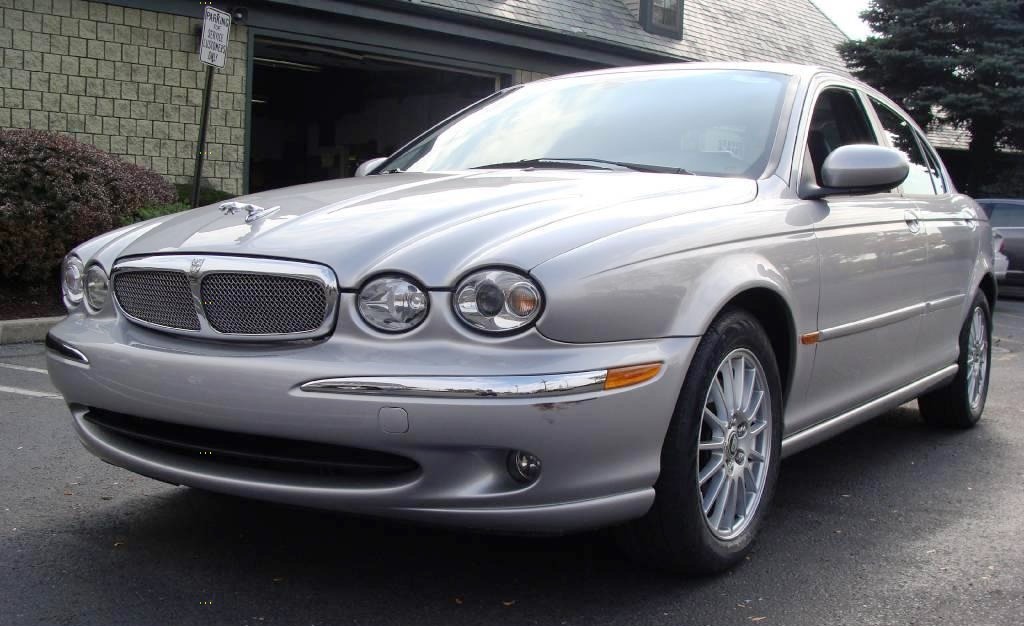
In addition to our house, they had bought a good deal of our furniture … as well as my favorite toy, an all-wheel drive Jaguar.
We had disposed of most of our possessions and keepsakes.
Except for the contents of one 8 x 8 x 20 foot shipping container filled with an assortment of “household goods” and our beloved artwork, collected and curated together over 25+ years together (plus not too few U-Haul “wardrobe” boxes filled with blankets, comforters, bed linens, towels, and other household goods that we’d purchased for donation to the needy in Portugal–especially victims of the fires), everything else we owned, including Russ’s Jeep Grand Cherokee, had been sold, gifted to loved ones, or donated to nonprofit charities.
Turning back one last time to wave a final good-bye, I realized that we had divested much if not most of the content comprising our life in the United States, as we prepared to make the one-way journey to Portugal with our three dogs, three large suitcases, and two allotted carry-on bags containing computers, passports, and other essentials.
Over the past ten years, we had been fortunate and privileged to own “vacation bolts” in Spain and/or Portugal, and to travel there once or twice annually, enjoying a month to six weeks during each visit.
But, this time would be different.
It wasn’t a visit. We’d be staying, not returning.
One-way, not round-trip, tickets.
This was the first time we were traveling with our dogs, three miniature schnauzers, who’d accompany us in the cabin on the three flights taking us to our new home: Green Bay > Chicago, Chicago > Philadelphia, and Philadelphia > Madrid (where we would rent a car large enough to transport our family and assorted paraphernalia on the four-hour drive to our property in Lousa, a village of 600 on the outskirts of Castelo Branco).
Endlessly, we had talked about living in Europe alongside other the expats and immigrants – from the UK and the Netherlands, Australia, Canada, Sweden and elsewhere – who had become part and parcel of our family and circle of friends in Spain and, later, in Portugal.
But they were European Union nationals. Different rules applied to them than applied to us. Even the Brits, though fearful of potential consequences their “Brexit” might cause, were convinced they would never be forced to leave the countries to which they had emigrated. Certainly, protections and provisions would be included in the terms and conditions negotiated during the UK’s exit from the EU.
For our part, we loved our lifestyle in Spain and Portugal. Life was easier (or easy-going) and slower there. Calmer and more tranquil. Far cheaper, too. And healthier. We walked rather than drove most days; typically, we ate less but healthier; and we drank far more red wine. As a “mañana mentality” took hold, we felt far less stressed and much more liberated. All in all, our quality of life greatly surpassed our cost of living.
Yet …
Visits and vacations are different from full-time living and residence. So, we dawdled, too comfortable in our intimacies and surroundings to actually make such a major move.
Perhaps it was the regular, routine Social Security payments I had worked a lifetime to earn. More probably, however, the political changes – first subtle, then crassly overt – which had changed the climate of our country, provided the real motivation for us to get going and relocate.
Shared here are personal observations, experiences, and happenstance that actually occurred to us as we moved from the USA to begin a new life in Portugal and Spain. Collected and compiled in EXPAT: Leaving the USA for Good, the book is available in hardcover, paperback, and eBook editions from Amazon and most online booksellers.
Processing…
Success! You're on the list.
Whoops! There was an error and we couldn't process your subscription. Please reload the page and try again.









 "Exactly!"