Ten Must-Take Items to Pack before Leaving the USA for Iberia

Relocating from the United States to the European Union? Especially Spain or Portugal?

Then consider the items listed below as invaluable traveling companions.

Much back-and-forth already has been written about whether to ship furniture, cars, appliances, artwork, keepsakes, and even clothing from one continent to the other. Ultimately, that’s a personal choice you’ll have to make yourself.

But, bear this in mind:

Once you decide to ship this piece of furniture or that collection of vinyl records, this set of family heirloom dinnerware or (only) all that artwork, their shipping cost can be less to rent an entire 8 X 8 X 20 container than to divvy your stuff, sharing someone else’s container. All things considered, it costs about five thousand dollars ($5,000) to ship that container from the USA to the EU. Prices do fluctuate, so it might cost a bit less … or a bit more.

Nonetheless, that’s not the purpose of my message here. If you want more information about international shipping, please read about our experiences in my post, “A Moving Experience.”

What I want to share with you, instead, are a list of ten little items that you may never have thought about or considered when planning what to pack for your bon voyage. Yet each can make a big difference to your lifestyle once you get here. Why bring them? Because, either they’re not available (i.e., readily accessible) here. Or, the price you’d pay for them is well beyond their prices in Yankeeville. So, sooner or later, you’ll find yourself asking people you know who are traveling this way, west to east, to bring back some of this and a little of that.

Ready to scribble some notes? Here’s my list.

(1) Eye drops like Visine, ClearEyes, “Artificial Tears” or similar store brands for red, dry, and/or tired eyes. Ask for them at a local pharmacy (items like eye drops and aspirin are only sold in pharmacies here) and you’ll, no doubt, be given the local version of “Restasis,” which is prescribed for dry eyes, although no prescription is needed here for it. A drop (or two) in each eye produces an oily-like feeling that brings discomfort, rather than relief. Return to the pharmacy with the last bottle you brought from home and you’ll likely be greeted with a shake of the head by the pharmacist. Such miracle medicinals for allergies, tired, or over-stressed eyes aren’t available in Spain or Portugal. So, be sure to bring a few with you!

(2) Low-dose aspirin. You know that 81 mg or so “baby aspirin” that your doctor will likely recommend you take daily If you’ve had a heart attack or stroke–or have a high risk of one (unless you have a serious allergy or history of bleeding)? A small container of 120 or more sells at most USA pharmacies for under two dollars. In Spain or Portugal, however, you’ll pay the same price and more for a 30-day supply.

(3) Crushed red pepper and/or Tabasco sauce. Some like it hot! I’m one of them. Yet no amount of Piri-Piri can compare with those red hot pepper flakes or that patented flavor that heats up your cooking (and works great in Bloody Marys, as well)!

(4) Duplicate of your state driver’s license. In Portugal and Spain, you’re required to turn in your state driver’s license when exchanging it for one in your new country of residence. In other words, you lose your USA driver’s license. But, what happens when (or if) you return to the states for a visit, vacation, or emergency? You’ll face quite a hassle, as your Spanish or Portuguese license isn’t recognized. Best bet is to contact your state’s motor vehicle department (DMV) well before departing and request a duplicate copy. Just say you lost yours. Or whatever. Then, when you turn over your state driver’s license for a new one in Iberia, you’ll still have a copy or your original one.

(5) Authorized copy of your birth certificate. Of all the legal, apostilled documents we made sure to bring with us (plus made plenty of paper and digitized copies), somehow we forgot to bring our birth certificates. After all, it was never asked for when we applied for our immigration visas … when we appeared at SEF for our residency docs … when we went to Finanças for our NIFs and NHRs … or when we spent the better part of a day at IMT transferring our driver licenses. Who would have thought that Social Security would require a birth certificate? When registering with this service — at least in Portugal — you’re asked to provide (and prove!) your parents’ names, whether living or deceased. A birth certificate (yours) is suggested. If you think there’s a lot of bureaucracy in Portugal and Spain, try requesting and obtaining an apostilled copy of your birth certificate from abroad!

(6) Plastic lids for cans. Granted, you can always use aluminum foil or plastic wrap. But they’re just not the same as those ubiquitous, multi-color plastic lids that “seal in the freshness” of food once you’ve opened the can. Good luck trying to find any in Spain or Portugal. Not even the all-purpose Chinese bazaars (Portugal) or Moroccan markets (Spain) carry them. Bring three or four with you.

(7) List of all the medicines and prescriptions you take. This is an item for your to-do list. Sit down with all of the medicines — prescribed and over-the-counter — that you take. Copy their “generic” (chemical) names, dosage, and instructions for taking them. Not only will your doctor(s) in Spain or Portugal want to know this information as part of your medical and health history, but pharmacists unfamiliar with what something is named or branded in the USA can determine what the appropriate equivalent is here.

(8) English language computer keyboard. Whether connected to a desktop or laptop computer, the keyboards sold in Portugal and Spain have different characters, along with the standard QWERTY keys we’re accustomed to. Sometimes, they’re located in diffeent places; other times, a single key is the source for producing three or more different characters, not just upper and lower case. Sure, you can configure the computer’s system so that the keyboard acts as an English language one; what you see on the keyboard, however, can vary dramatically from what you get on your screen. Regardless of the computer (or pad), it will respond effortlessly to an English language keyboard.

(9) Genuine “Sharpies.” The markers sold here just don’t compare for clarity and precision; few, if any, are “permanent.” If you’re labeling a freezer back with its contents identified and dated, for instance, only a Sharpie won’t smear. For those Sharpie afficionados out there, pick up a pack and pack it in your m/purse, laptop carrying case, or luggage.

(10) “Liquid Nails.” Wimpy facsimiles are available, but none work nearly as well. When fixing a broken ceramic pot, affixing a knob to a door, or holding something firmly for a long time, there’s nothing like this product for strength and durability. The real McCoy is extremely hard to find in Spain and Portugal–even online, where not even Amazon sells it.

Dividing our time between Portugal and Spain after living full-time for three years in Europe, these are the curiosities and, perhaps, oddities that we wish we’d have brought with us.

Maybe you have others … items we’ve overlooked? Please share your list with us!

Shared here are personal observations, experiences, and happenstance that actually occurred to us as we moved from the USA to begin a new life in Portugal and Spain. Collected and compiled in EXPAT: Leaving the USA for Good, the book is available in hardcover, paperback, and eBook editions from Amazon and most online booksellers.

Processing…
Success! You're on the list.

Covering the Costs of Three Properties in Iberia

We own three properties in Europe – Portugal and Spain – for less than it cost us to buy one “entry-level” house in Sturgeon Bay, Wisconsin … Staunton, Virginia … or Jacksonville, Florida (three places we lived before leaving the USA).

Mind you, we’re not talking about upscale, Architectural Digest places in features and accoutrements. Just nice, comfortable, pleasant, typically attached homes. Of course, if it’s a spectacular stand-alone home you want here in Spain or Portugal, plenty are available for $250K or more.

But we’re basically homebodies who like to be connected to our neighbors, along with the savings inherent to “row” houses. Our last USA house was in Sturgeon Bay, Wisconsin. A great place for tourists, but lots of limitations for residents. We bought and sold our west side of town property – 3 BR, 2 BA, LR, DR, kitchen, two garages, fenced yard, and unfinished basement – within less than a year for the same price we paid for it: $135,000. Now, according to all reports, there aren’t any 3 bedroom, 2 bath properties available in Sturgeon Bay for less than $150,000. Realtors and property agents tell us that, regardless of condition, any such property sells before it’s technically been listed!

For a lot less than that, we now own three conjugal properties: two in Portugal and one in Spain. “Yeah, that sounds great,” mockers will say. “But where are you living … and what about all the costs to upkeep, maintain, and run those three properties?”

Spending less than $20,000 per year on comprehensive health, car, and property insurance, taxes, heating and air conditioning, furnishings, water, twice monthly cleaning, trash pick-up, and all other living expenses, we’re maintaining all three houses on my Social Security payments of $2,250 (about €2,100 at the current exchange rate).

The take-aways?

We don’t live in the most expensive areas: Lisbon, Madrid, Porto, Barcelona. We don’t have brand new properties with all the associated amenities. We live with the locals, driving to the “big city” about 20 minutes away for major shopping, albeit groceries at a variety of supermarkets, clothing, our whatever else tickles our fancy in shopping centers and malls. Ditto for cultural pursuits: live theater, museums, movies, concerts. Our three, 50-year-old row houses were created from concrete and plaster, with no insulation … except for their new, double-pane windows. So, it can be hotter inside than out during the summers and colder in winter. But we compensate with inverter aircon (and heating) units that we use only when occupying specific rooms.

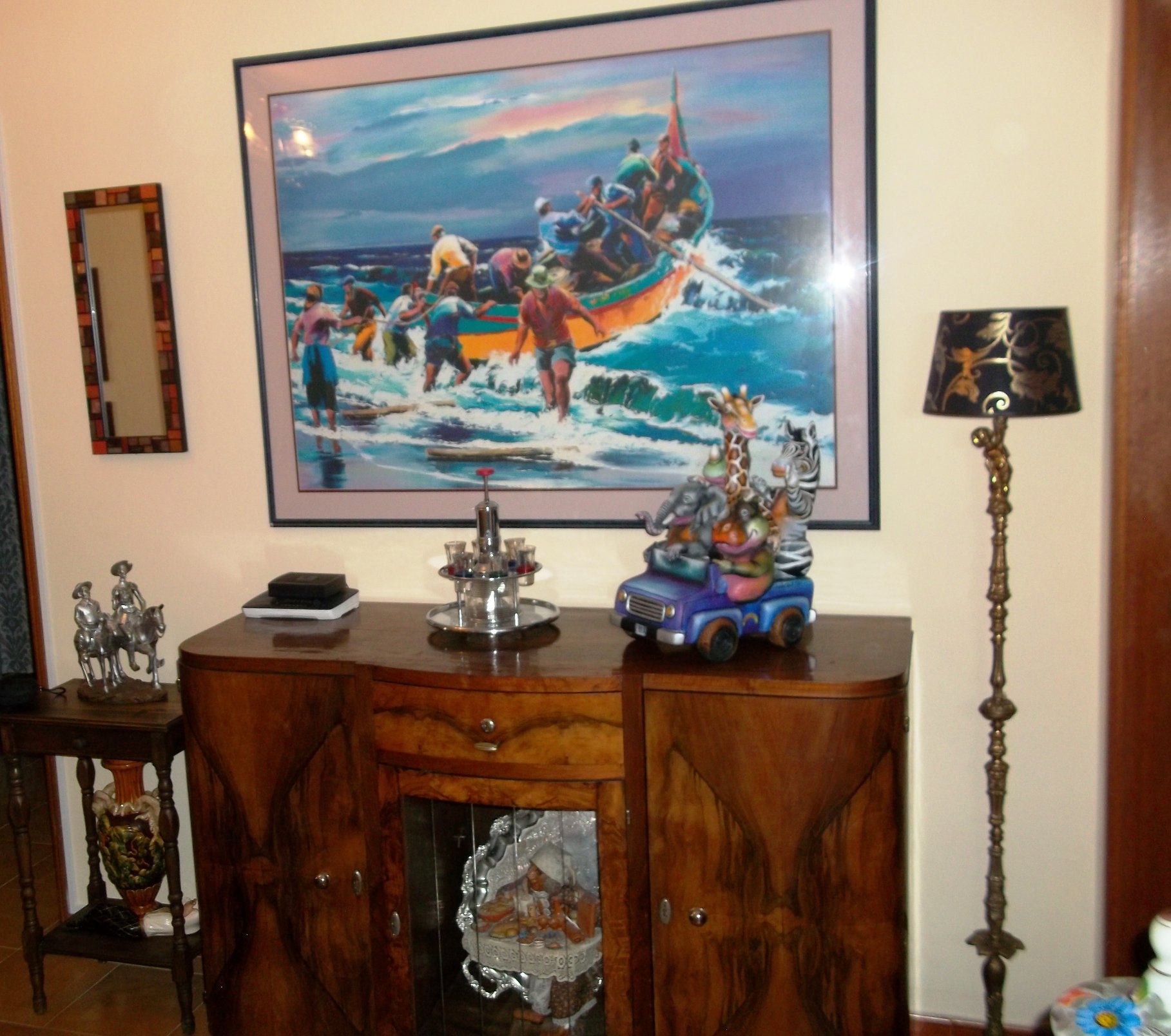
Furniture has been moved time and again among the three properties, as artwork and furnishings are rotated for new perspectives.

Electricity is relatively expensive in Portugal and Spain. But the emphasis is on that word “relative.” Becoming accustomed to Portuguese prices for everything from health care to property insurance and taxes, we freaked when we received our first electric bill (before turning down the heat from the inverters): about $450 for those first two months. But, after our melt-down, we remembered paying about $500 per month for electricity in Florida and $350 or so for gas and electric in Wisconsin. It’s all in one’s frame of reference …

Meanwhile, without any rental income, we’re maintaining three separate properties.

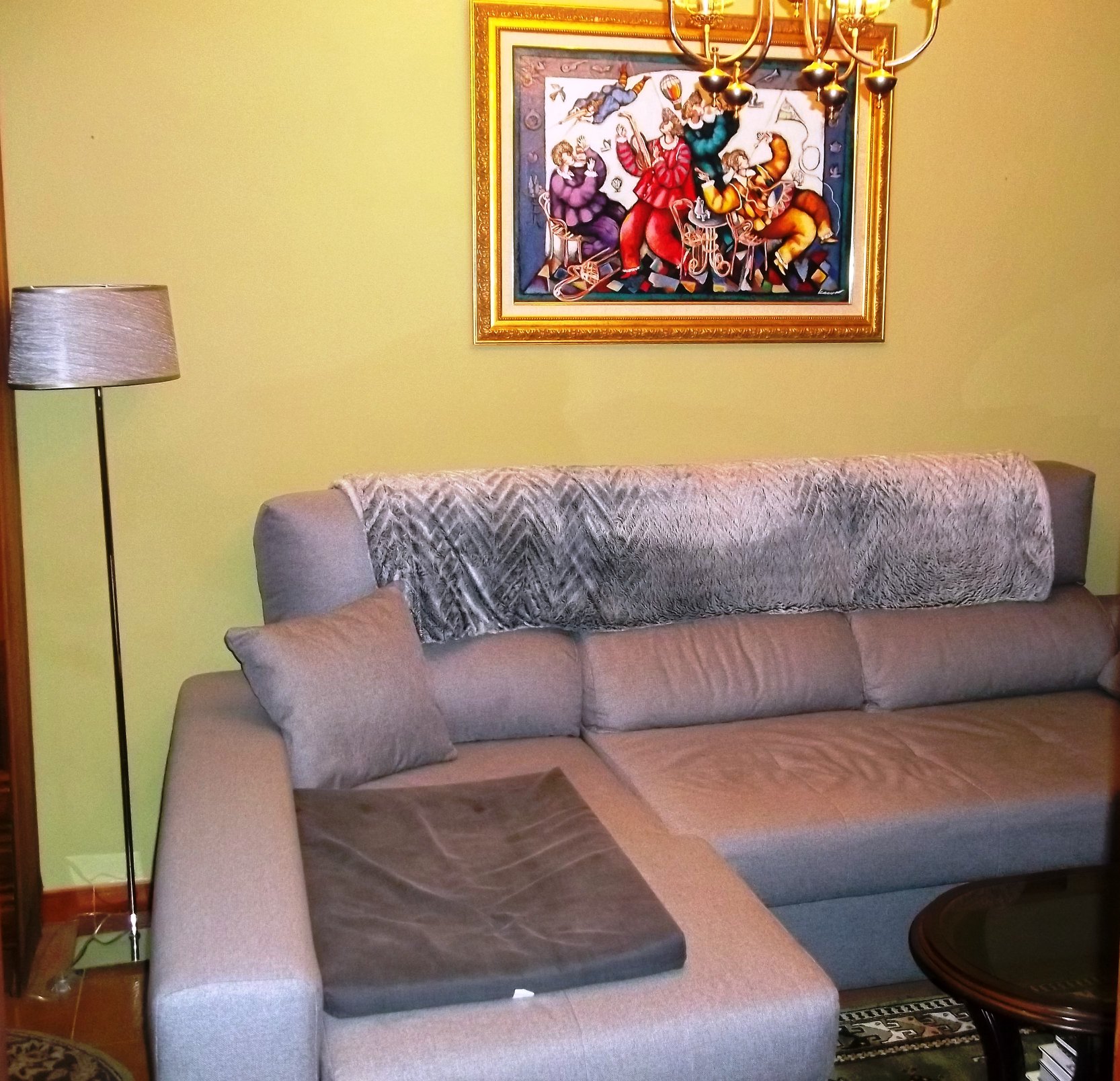
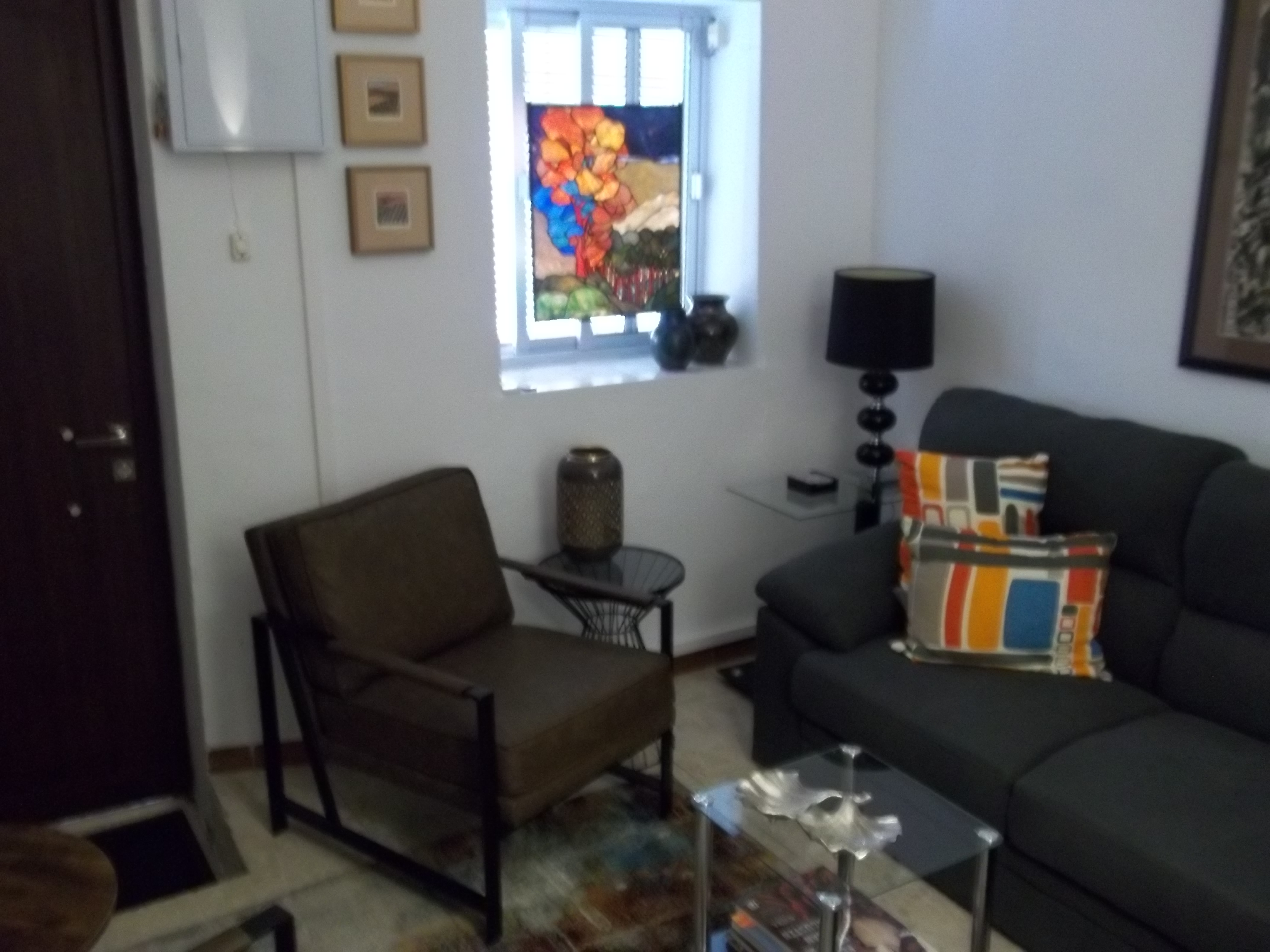
Vila Boim (Elvas) Living Room

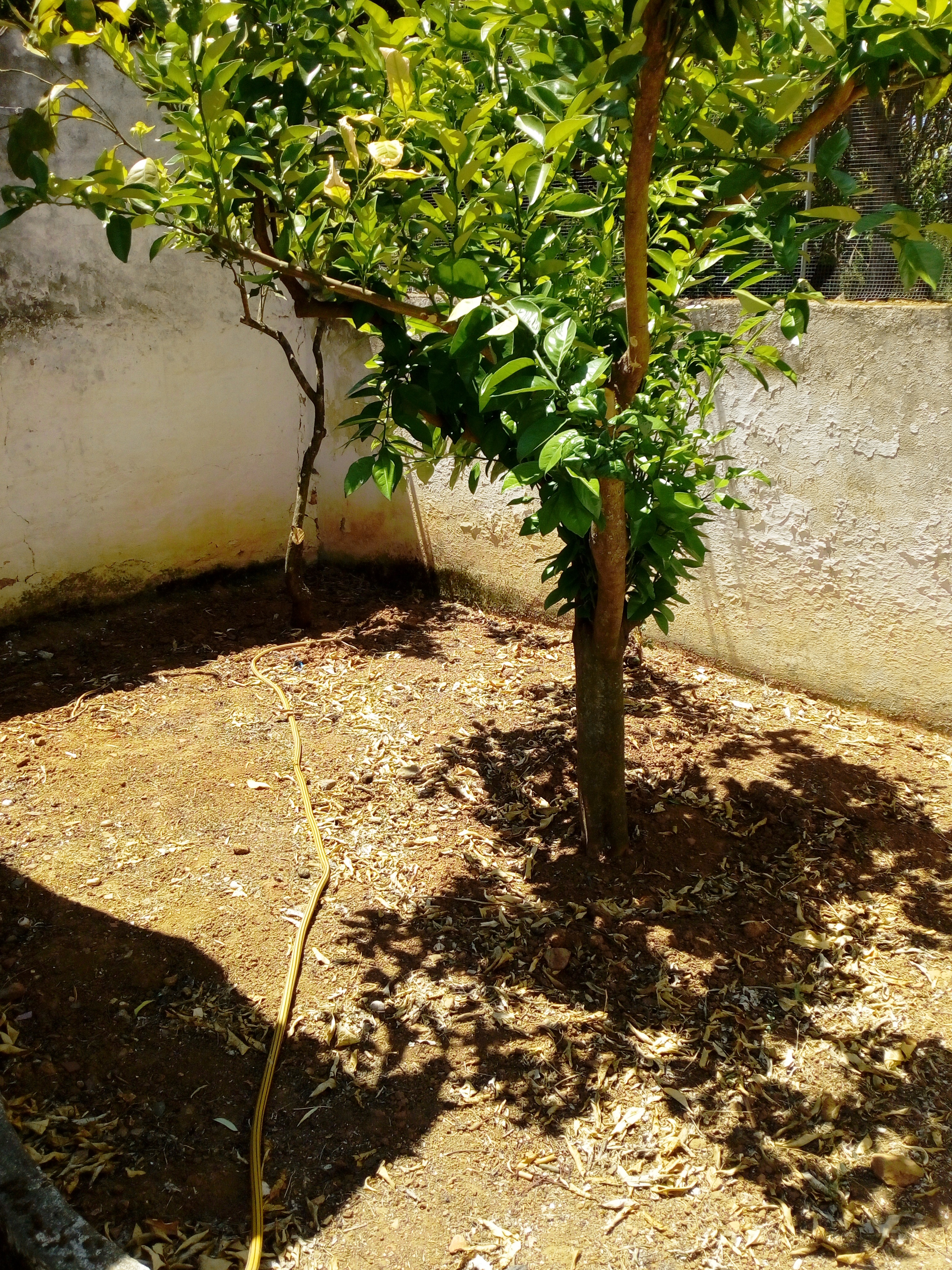
We purchased our primary property in Vila Boim, a charming village about ten minutes from UNESCO Heritage site Elvas (Portugal), on the border with big-brother city Badajoz (Spain). It’s an easy drive and great get-away to our house in Spain. With a well-proportioned living, dining, kitchen, bathroom, and two bedrooms, it benefits from a big bonus: a compact, enclosed backyard with two fruit-laden trees—perfect for the dogs (as well as grilling outdoors). There’s also a “dispensa” (pantry) and small storage bed in the backyard.

Also quite comfortable is its layout and space configuration, with a good-sized bedroom in the middle of the house. Although the Alentejo area of Portugal, where it’s located, tends to be a bit hotter in the summer and colder during winter, the exterior walls of this house are built from boulders between two and three feet thick. That’s what we call “natural” insulation (although we’ve replaced the windows and added air conditioning). Purchase price for this newly-renovated and refurbished property including all fix-ups, add-ons, and improvements: $50,000 in US dollars or about 47,000 euros.

Olvera Living Room

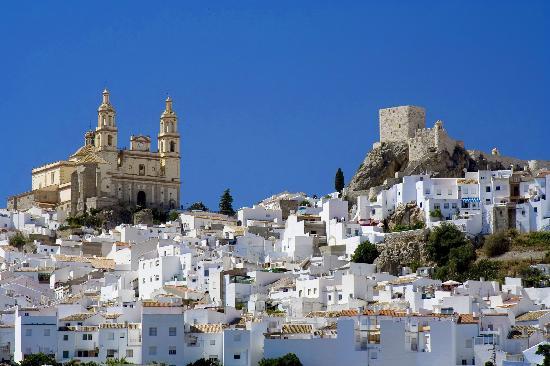
Home-away-from-home is also in the interior … of Spain, in an Andalucian town of about 9,000 (Olvera), where the provinces of Málaga, Sevilla, and Cádiz intersect. We owned a little pied-a-terre off and on for 18 years. After moving to Portugal and spending more time in Spain, we sold it and bought a bigger property with two bedrooms and two baths, along with a separate living room, dining room, and kitchen. Here, our taxes are about €70 ($75) per year (including daily trash pick-up); we pay €140 ($155) annually for comprehensive homeowner’s insurance; and our lightning-fast Internet connection is €20 ($22) debited directly from our bank account in Portugal monthly. We paid €32,000 ($35,000) not including Spain’s 8% property transfer tax—it’s only 0.1% in Portugal!–and spent another €10,000 ($11,000) on home improvements: new windows, doors, floors, appliances, three aircon inverters, two water heaters, kitchen cabinetry, handrails, kitchen cabinets, bathroom, appliances etc.) Total including €3,000 ($3,275) in closing costs: €45,000 ($49,000).

Vila Boim “Annex”

Last, but certainly not least, is our “annex” property, a four-minute walk from our primary residence in Vila Boim. We like to entertain … but space is tight — compact! — in our home. We can’t have more than another couple (or two) over for dinner, let alone invite guests to stay overnight with us. We met this challenge by purchasing what once was a house … then became a “ruina” (ruin) … later purchased by an architect who tore it down and erected a new two-story “garage” with an efficiency kitchen and full bathroom (shower, no tub). Upstairs are our offices now, while the lower level is a fully-equipped guest apartment that we use for entertaining and communal gatherings.

The property cost us €33,000 plus about €500 in closing (transfer taxes, legal, and administrative) costs. We spent another €9,500 to furnish it completely — upstairs and down — as well as to have new kitchen cabinetry and appliances added. The place also has two aircon invertor units (one 18,000 BTUs, the other 12,000 BTUs), along with upgraded electrical wiring and more than a dozen new outlets for efficiency and convenience. Total cost: just about €43,000.

So there you have it: Three very different and separate properties with a combined purchase price – including all appliances, repairs, improvements, and upgrades – of €137,500 or about US $150,000.

Capital costs are one thing, monthly expenses yet another. I did say at the beginning of this narrative that two of us live together in these three properties … at a combined cost of about $2,250 per month—my Social Security payment. How do we do it?

Here’s our monthly budget, based on euros:

• €150 Electricity*

• €60 Water

• €125 Petrol/Gasoline/LPG for Two Cars

• €35 Propane/Butane for Heating/Cooking**

• €125 High-Speed Internet/TV/Telephones (for all three properties)

• €75 Property Taxes (for all three)

• €15 Vehicle Taxes (a new 2023 Dacia Jogger and a 2005 Jaguar X-Type)

• €50 Portugal Income Taxes

• €150 Comprehensive Health Insurance for Two (one 75, the other 60)

• €95 Other Insurance: 2 Cars (€50)/3 Properties x 3 (€45)

• €500 Food: Groceries

• €250 Food: Restaurants/Eating Out

• €70 Cleaning & Upkeep: Properties + Laundry

• €100 Miscellaneous (Unbudgeted)

€1,800 Total Estimated Monthly Expenses

That’s just about $1,965 per month (based upon the current currency exchange rate).

What’s not included? Portugal’s full annual income tax! We benefit from Nonhabitual Residency (NHR) status, a somewhat confusing term that basically means we pay substantially reduced or little income tax on our Social Security and pension payments, interest, and dividend distribution. Alas, the program — structured as it was when we moved here just over six years ago — no longer exists. And, while we still have four more years to benefit from NHR, we will need to budget more Portugal income tax to our budget each year.

We like art and antiques, so we visit municipal markets once a week … typically spending about €150 per month. Other incidentals cost, say, €50 per month. All in all, we’re spending some 2,000 euros (US $2,175) per month. So, we even have about $100 each month to leave in our savings account.

Of course, others pinch pennies or pence much better than we do and are far more frugal. Others spend a lot more … mainly because of where and how they live.

But, hopefully, I have made my point: You can live comfortably and well on a modest budget, including health care and insurance, taxes, and home ownership.

The caveat? In Portugal and Spain. Probably elsewhere, as well!

*Two of our homes are all-electric: HVAC + cooking. *One house uses propane for cooking and water heating … electric for all else.

Shared here are personal observations, experiences, and happenstance that actually occurred to us as we moved from the USA to begin a new life in Portugal and Spain. Collected and compiled in EXPAT: Leaving the USA for Good and its update, Spanish Towns, Portuguese Villages, the books are available in hardcover, paperback, and eBook formats from Amazon and most online booksellers.

Processing…
Success! You're on the list.

What €50,000 (U.S. $59,000) Can Buy You in Portugal … or Spain

Location, location, location.

Wherever you want to buy (or rent), the same general rule applies: Housing costs more in Lisbon, Porto, the Algarve, Silver Coast and their suburbs (Portugal) or Madrid, Barcelona, Ibiza, and Málaga (Spain) than comparable inland properties.

But, if you know what you want and are willing to reside away from the major tourist traps, you can get one heck of a deal in both Portugal and Spain.

Having already purchased townhomes in Spain and Portugal, we knew pretty much what we wanted in our “halfway house” between the two countries:


• We preferred a village or small town with quick and easy access to a large, metropolitan area;
• The property had to be a single story without staircases, but with a good layout and ample-sized “divisions”;
• We didn’t want to be on the main street or have our bedroom in front, facing the street
• It had to be in good condition both structurally and in terms of infrastructure;
• Required was a small backyard (quintal) for our three dogs;
• The property needed to be more-or-less “move-in ready” with a minimum of two good-sized bedrooms, kitchen, living room, dining room, and bath;
• We wanted to be in Portugal, somewhere that could cut our travel time between homes in Portugal and Spain substantially;
• Our total budget — all things included — was no more than €60,000.

Quite a list, huh?

But these were among the imperatives we had learned about our own personal preferences after living in Portugal for two years and having a vacation bolt in Spain for fifteen.

We narrowed our choices to the Elvas (Portalegre) area, a UNESCO “World Heritage” site that abuts big city Badajoz and the border with Spain. Not only would this location cut two hours each way from our trips to and from Spain several times each year; it would also be relatively close to such special places in Portugal as Évora, Estremoz, and Vila Viçosa (among others) … and just a two-hour drive from our primary residence in Castelo Branco.

After looking at what was available in the historic section of Elvas, a number of locals — police, hotel personnel, even shop owners — advised us to buy in a nearby village instead, rather than in Elvas proper. Villages even five (5) kilometers outside of Elvas would be cheaper, calmer, and more in line with the lives we wanted.

We toured a number of properties in Santa Eulalia, Campo Maior, Boa Fe, and Sousel, but decided to buy in Vila Boim–the village closest to Elvas. With a population of about 1,200 (twice that of our Lousa hometown in Castelo Branco), there are restaurants, cafés, mini-markets, a pharmacy and bank with a Multibanco … even a “pedestrian” shopping street.

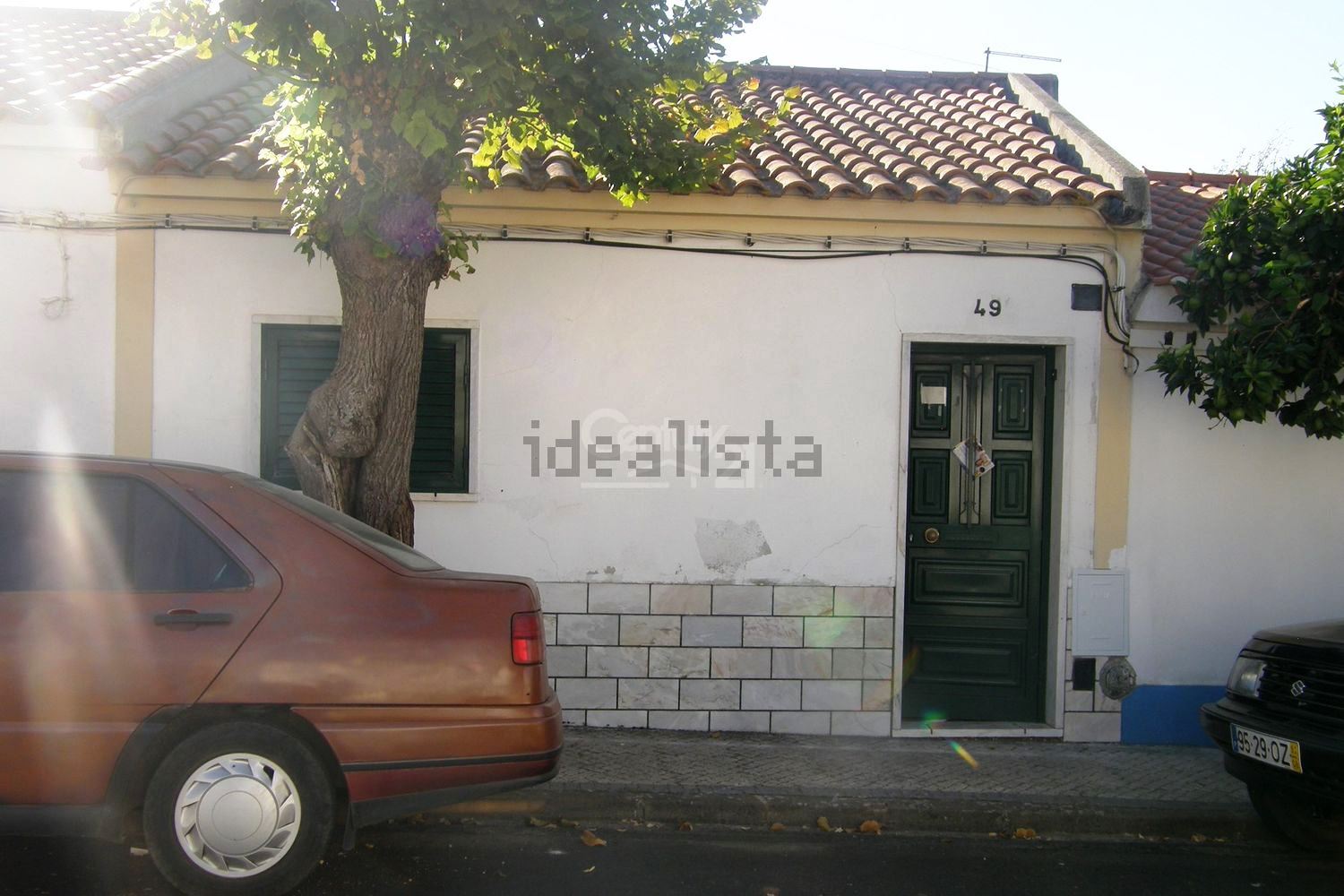
Listed for €39,500, the house we bought had been on the market for several years. It needed some work after being vacant … yet there was no smell of rot, mold, or mildew. The room sizes, spaces, and layout fit our needs perfectly. Negotiating back and forth with the property agents representing the seller(s), we ultimately agreed to purchase it for €34,000.

The following pictures depict the house and its condition when we purchased it.

Front Façade
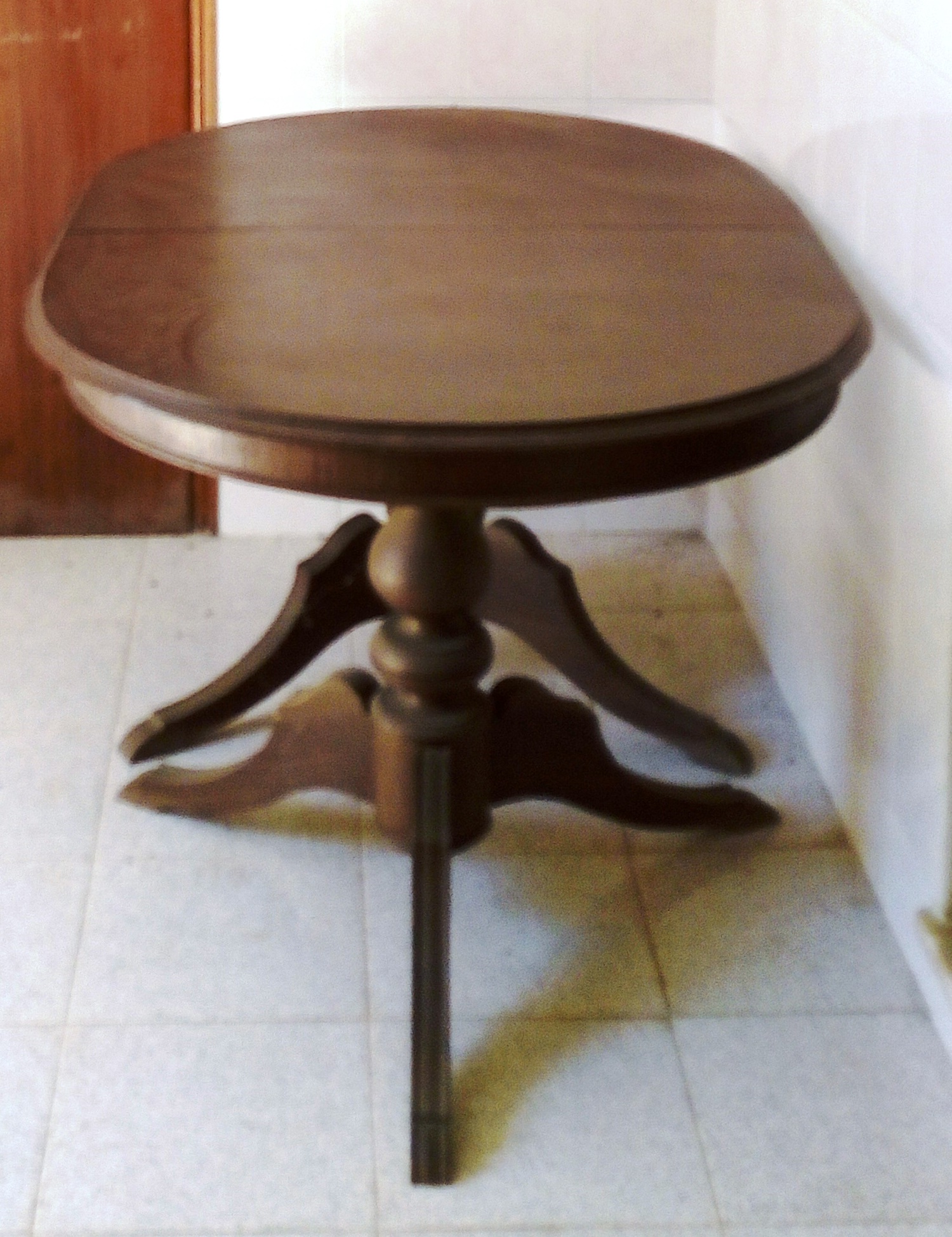
Dining Room
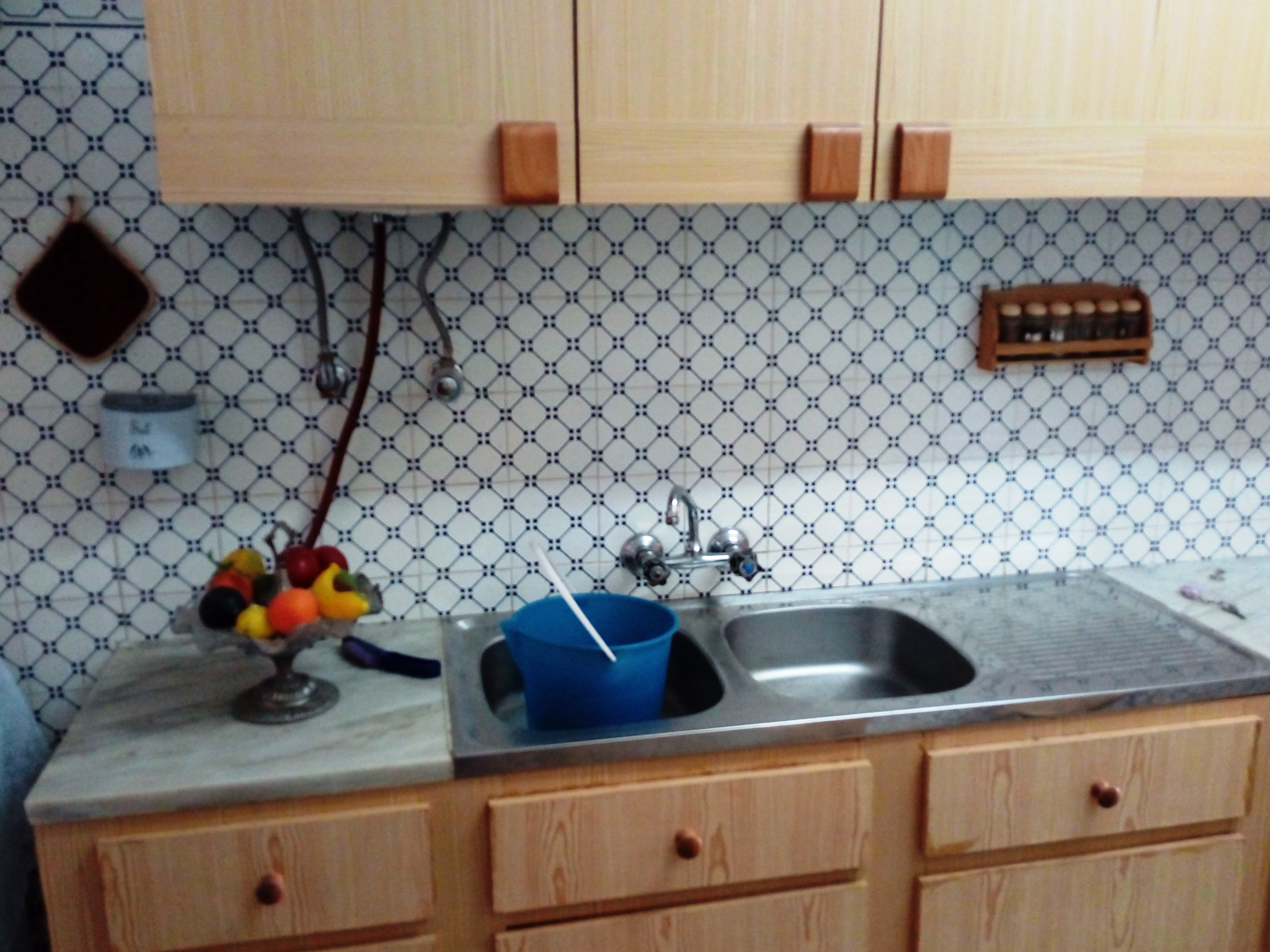
Kitchen
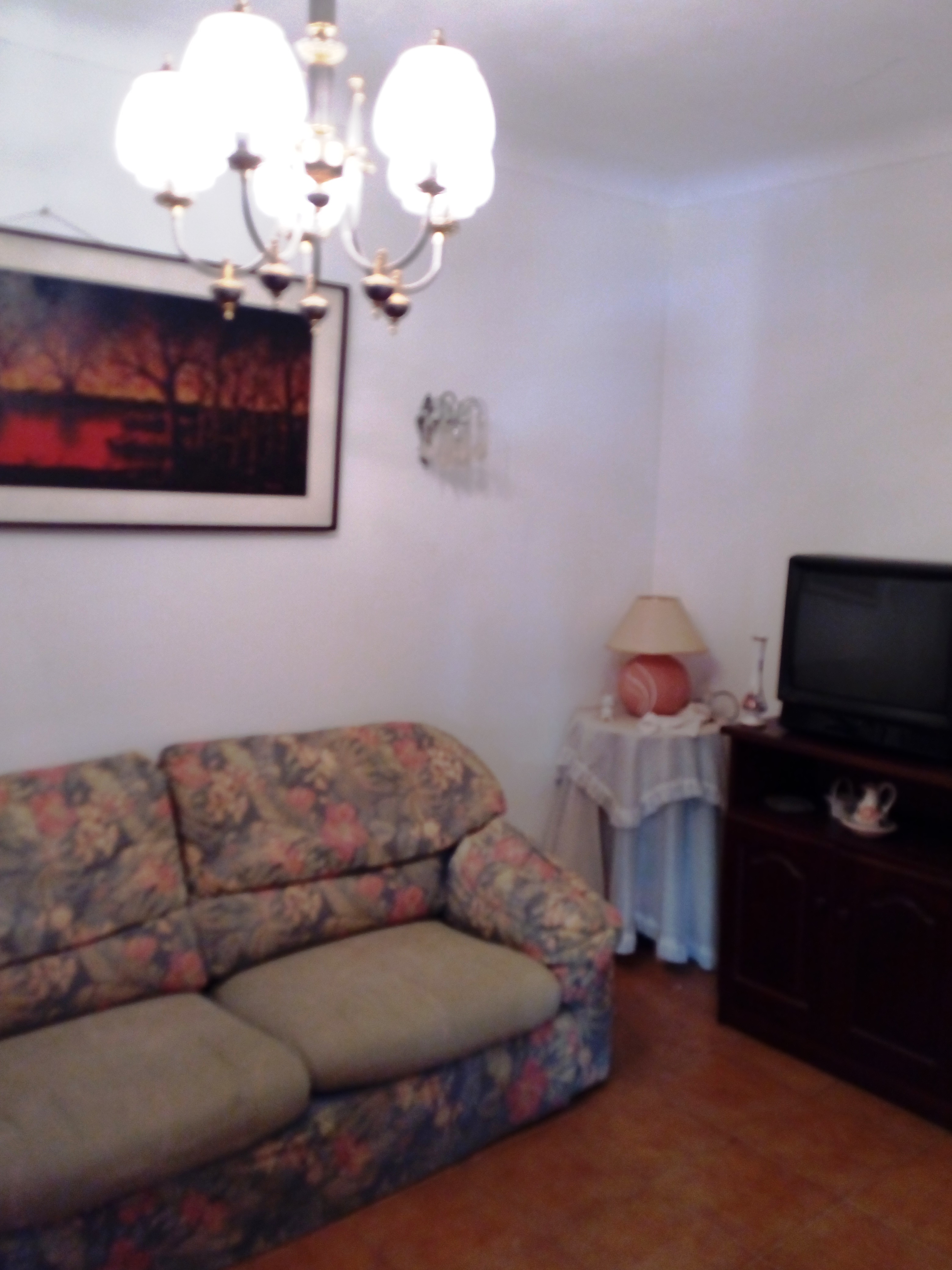
Living Room
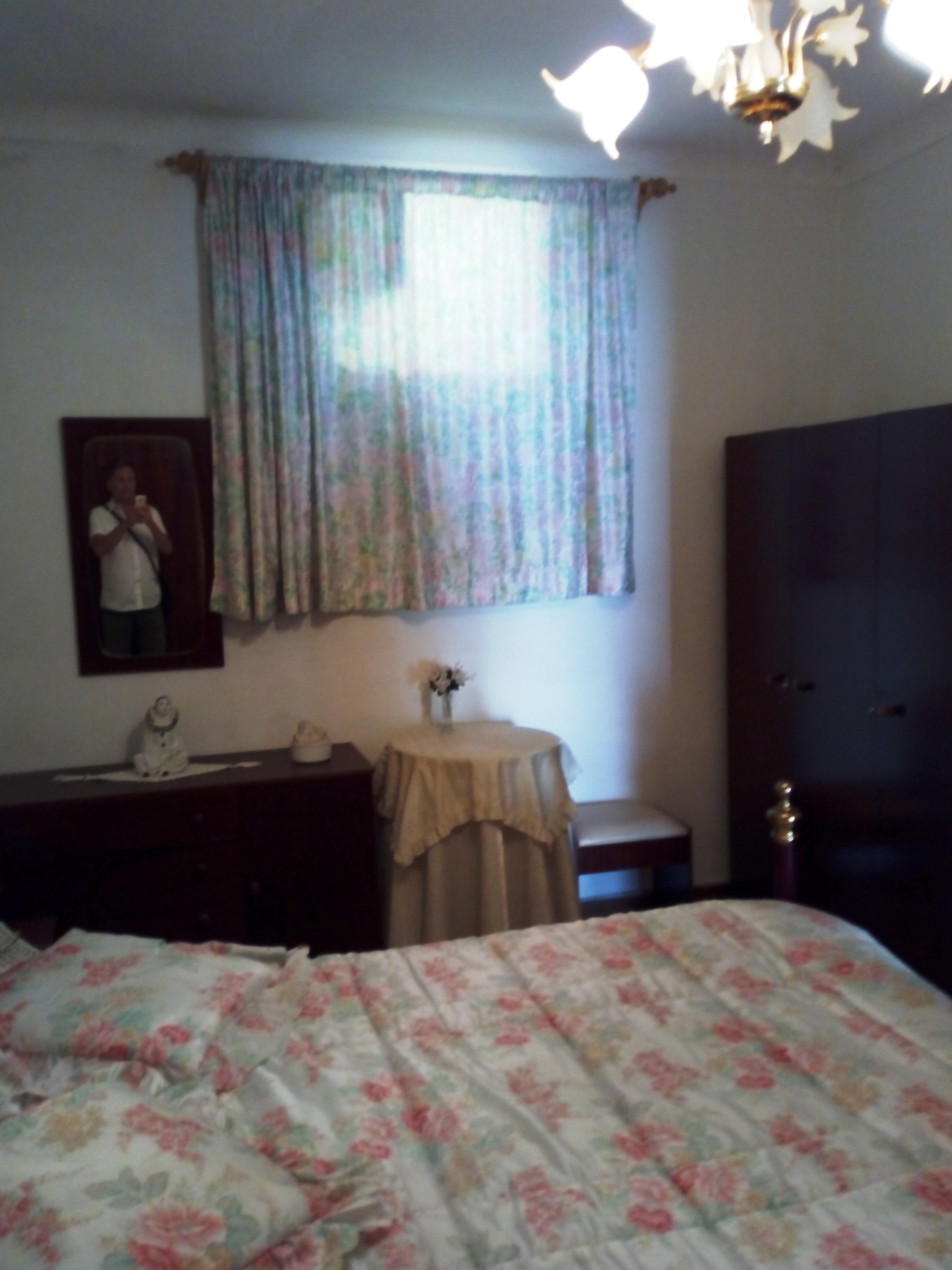
Bedroom
Office + Despensa (Pantry)
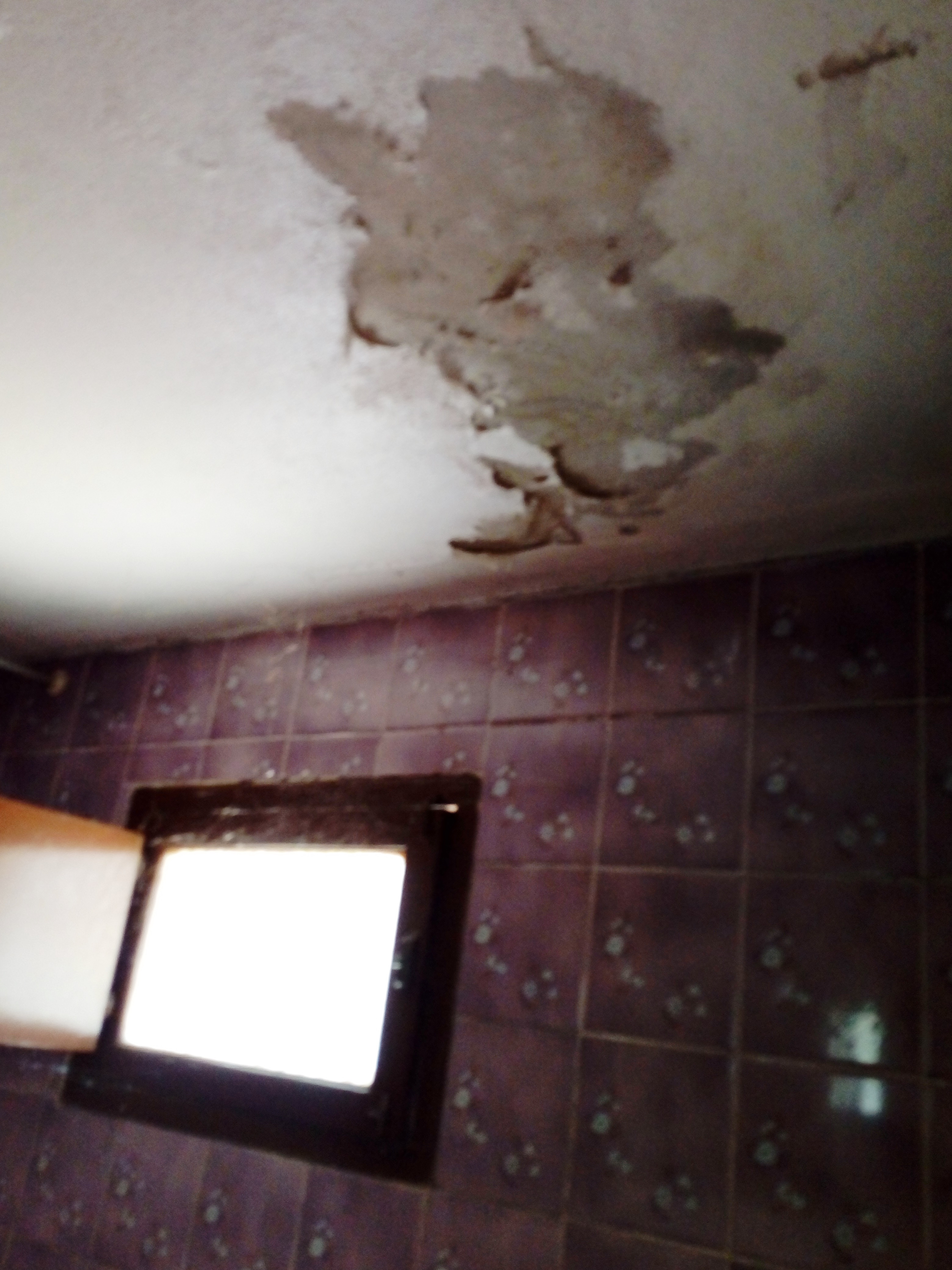
Bathroom
Quintal (backyard)

There was plenty of work to be done!

Initially, we invested €2,500 in “prep” work — repairs, fixes, replacements — before we could even begin to think about “what next?” or “when can we move in?”

The ceiling alone in the bathroom (and the strips of plaster hanging off the wall on the outside of the exterior wall) needed to be gutted, plastered, and repainted. The cabinets hanging precariously off the wall in the long, narrow kitchen had to be removed and replaced with new ones to make our long, narrow, “galley” style kitchen functional and attractive (€3,000). Appliances — a high-efficiency gas water heater (€750) and three separate inverter aircon units were purchased (€2,259) and installed: one 18,000 BTU unit to cool and heat the large dining and living room area, and two 12,000 BTU units: one for the bedroom and another for the office and kitchen. Several rooms needed to be repainted (€500). Lighting was paramount for the dining room bedroom, kitchen, and office (€500). New appliances — a stove and oven, washer and dryer, and dishwasher — added €1,500 to the tab.

Upgrades included three new, double-pane windows with fly screens (€500) and upping the electrical power from 3.45 > 6.9 kWh which, in turn, required us to have an electrician add new wiring throughout the house to carry the added load (€1,250). We learned that there was no roofing above our bathroom and adjoining bathroom — which had caused the ceilings inside to buckle — so a new rooftop was added above that part of the house (€750). Because rain water came in under the front and rear doors, we added awnings and replaced the doors (€1,500). Because the dining room was so dark without a window, the door we chose for up front had glass on the top and a metal protective casing behind it. Finally, we bricked in the small backyard with cobble stones (€750) so that the dogs wouldn’t track mud into the house every time we let them out back.

Furniture, furnishings, and artwork already were ours, just waiting for a new home.

Total cost?

Just about €50,000. That’s less than $59,000 USA greenbacks!

We’ve got great neighbors, a low-maintenance yet comfortable home, and easy access to big city shopping in both Portugal and Spain.

How much do you think all that building and buying would cost us in the USA?

Here is our home as it now looks:

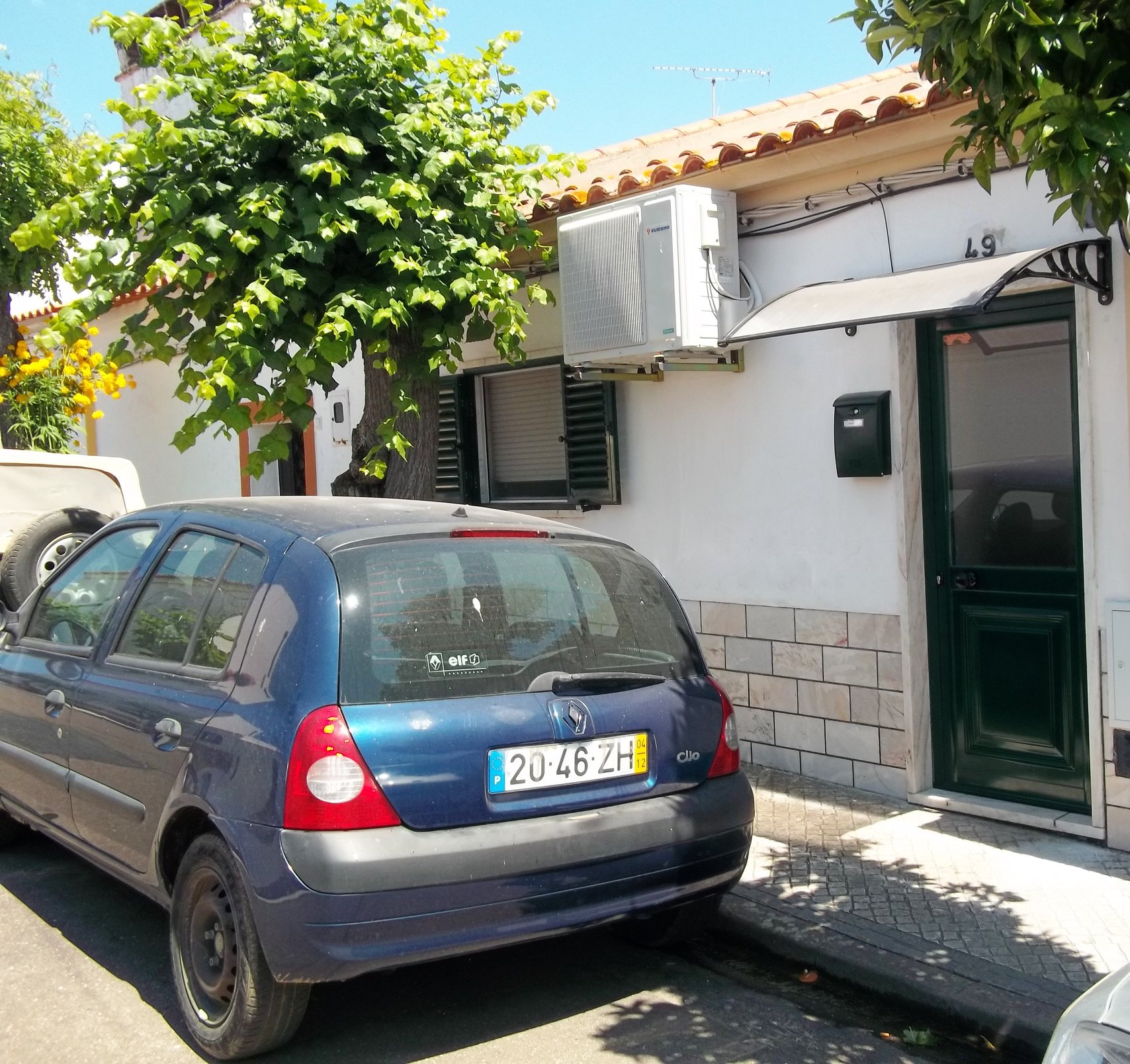
Front Façade with Awning, New Door, and Inverter Aircon Unit
New Front Door with Triple Locks, Double Pane Glass, and Protective Top. Electric and Water Boxes behind panels.
Dining Room
Dining Room
Living Room
Living Room
Living Room
Bedroom
Bedroom
Kitchen
Kitchen
Office
Bathroom
Quintal
Quintal
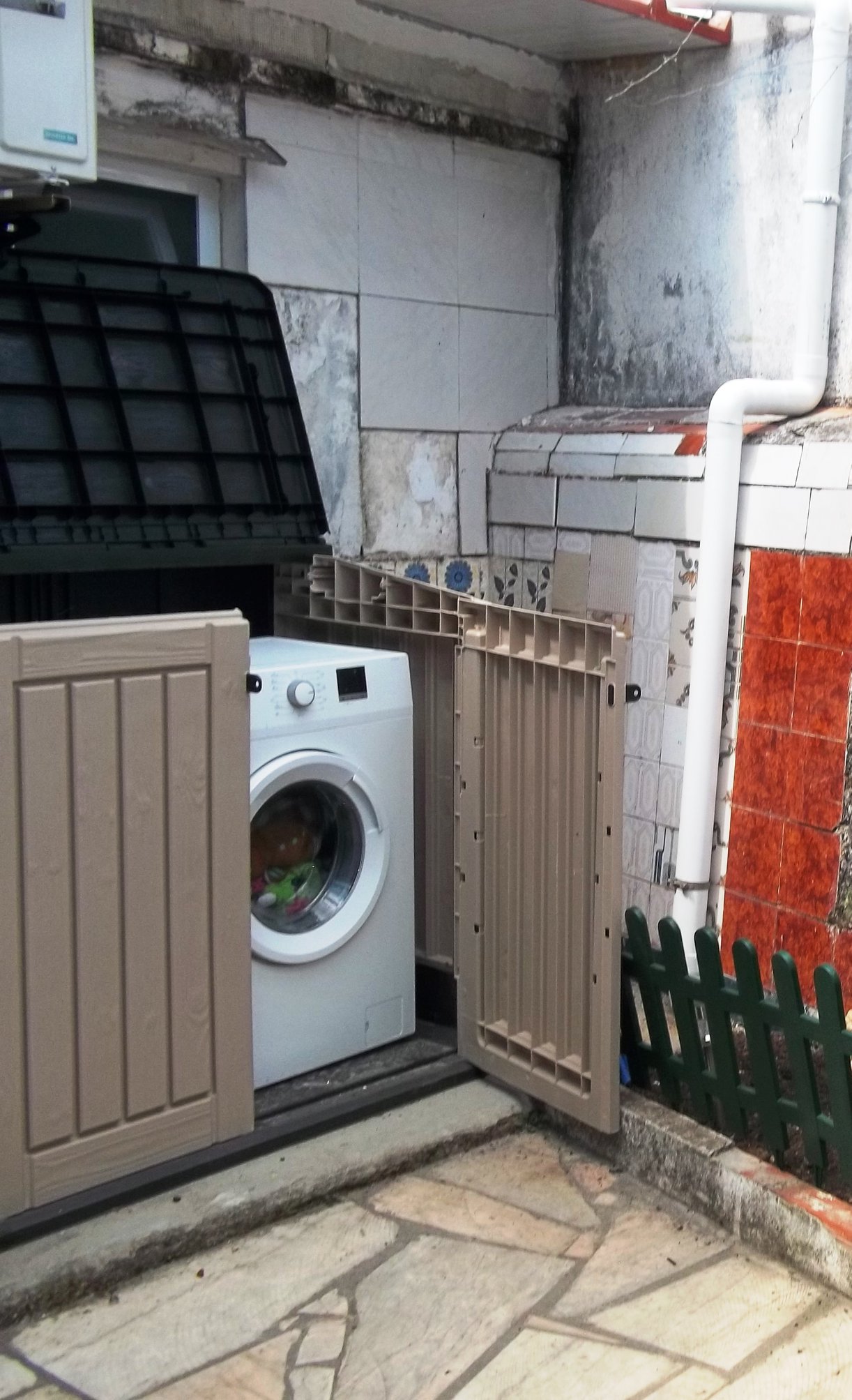
Quintal – Laundry Area

P.S. Our vacation “bolt” home in Olvera (Andalucía), Spain, cost even less! But, that’s quite another story. You can read all about it here: https://pastorbrucesblog.com/2020/09/12/then-again-but-better

Shared here are personal observations, experiences, and happenstance that actually occurred to us as we moved from the USA to begin a new life in Portugal and Spain. Collected and compiled in EXPAT: Leaving the USA for Good, the book is available in hardcover, paperback, and eBook editions from Amazon and most online booksellers.

Processing…
Success! You're on the list.

Travelogue

Spain is relatively familiar territory.

From our vacation home in Olvera at the intersection of the Málaga, Sevilla, and Cadiz provinces, we’ve spent time visiting many of the charming “pueblos blancos” (white towns) of Andalucía: Ronda, Grazalema, Pruna, Villamartín, Algodonales, Morón de la Frontera, Antequera, and many others.

Olvera

We’ve flown into and out of Madrid, Málaga and Sevilla, passing through this big city on our treks to and from Portugal. We’ve taken day trips to Granada and Cádiz … the latter usually to shop at Ikea. Weekend getaways have found us in Martos, just outside Jaén, the provincial capital. Longer vacations were spent in Alicante, Ibiza, Barcelona, Sitges, and the Benedorm playground; Valencia was a port of call on a cruise.

“Casas Colgadas” (Hanging Houses) of Cuenca, Spain

Attending the University of Madrid for my undergraduate degree, I got to know this special city and notable nearby places: Toledo, Segovia, Ávila, La Granja, Salamanca, and the “casas colgadas” (hanging houses) of Cuenca. During the time of my studies, I traveled to Barcelona, bicycling around this most cosmopolitan city and marveling at Gaudi’s La Familia Sagrada. I visited Sitges–one of Spain’s first gay destinations during the Francisco Franco regime … and booked passage on a boat to Ibiza and the Palmas, Mallorca and Menorca.

Portugal is another matter entirely …

It’s been several years now since we’ve moved to our village of Lousa, 20 minutes outside of Castelo Branco. In addition seeing the sites of this often overlooked city – the Episcopal palace gardens, the white castle for which the city is named, its museums and cultural centers – we’ve wandered around places outside our own backyard: Alpedrinha, Castelo Nueva, Covilhã, Lardosa, Louriçal, Penamacor, Sertã, etc.

Episcopal Garden in Castelo Branco

We’ve have crossed over the awesome aqueducts in Segura on way to and from lunch in Spain … visited (several times) Monsanto, touted as the “Most Portuguese Town” … frequented the marvelous Monday market in Fundão, quite possibly one of the district’s best … feasted our eyes on the spectacular scenery and unparalleled topography of Vila Velha do Ródão and Foz do Cobrão, enjoying the food at one of the best restaurants around. Not unlike the Western (Wailing) Wall in Jerusalem, the Jewish sanctuary of Belmonte is a spiritual experience–regardless of one’s religion.

Now where?

Cutting short our catastrophic “vacation” at a TripAdvisor (aka FlipKey) beach property, we missed out on planned excursions to Porto, Espinho, Tomar, and Aveiro—the “Venice” of Portugal. We’ll go back, but we’ll do it differently, leaving the dogs at a highly-commended canine “hotel” near us (in Alcains), enabling us to stay at somewhat more comfortable and convenient places.

Also on our list of must-see places is Lisbon – where its expansive aquarium fulfills an exhilarating but exhaustive day – and heading north towards Santiago de Compostela, capital of northwest Spain’s Galicia region, for the “Camino” pilgrimage. Still, we did enjoy a birthday weekend in two very special suburbs: Cascais and Estoril.

But, for now, we wanted to devise a series of day trips … places within a 90-minute drive … so we could go, do some sightseeing, and be back in time to feed and walk the dogs. If we were hosting out-of-town guests for a few days, what would we want them to see?

Here are the places on our list:

Sortelha

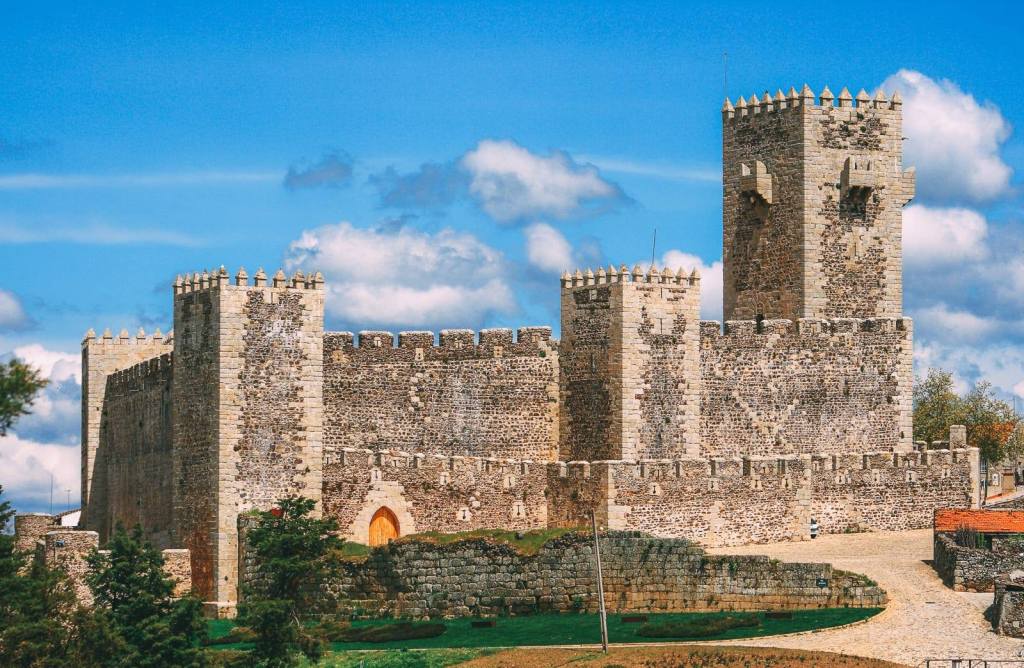
Sortelha Somewhat along the lines of Monsanto, Sortelha is one of the oldest and most beautiful towns in Portugal. A visit to its streets and alleys enclosed in a defensive ring and watched over by a lofty 13th century castle takes us back to past centuries among medieval tombs, by the Manueline pillory, or in front of the Renaissance church. Home to the legendary Eternal Kiss—two boulders resting on the slope below the castle walls, just touching, it’s not difficult to imagine that they are kissing. Another odd looking granite formation in Sortelha is referred to as The Old Lady’s Head (A Cabeça da Velha). Neighboring town Sabugal provides a bonus castle and museum to visit.

Sabrugal

Belmonte Tradition has it that the name of this town in Castelo Branco region’s northernmost district came from its location (“beautiful hill”). Near a 13th century castle is Bet Eliahu synagogue and the Jewish zone, with its own special museum.

Belmonte

Idanha-a-Velha Reportedly invaded and looted throughout history, Idanha-a-Velha is one of the oldest towns in Portugal. Extensive Roman ruins and epigraphs refurbished as a modern museum, a restored 16th century church, and ancient oil press all make this place very special.

Idanha-a-Velha

Penha Garcia Situated on a hillside next to the road between Monsanto and the Spanish border, a walk leads up to the castle and a dam below. On the lowest point of the trail, beneath the castle, you can go for a swim in the cool mountain lake. But what makes Penha Garcia truly outstanding is its geology, with huge fossils plentiful.

Penha Garcia

Serra da Estrela Even from our lowly house in Lousa, we can see the snow-capped peaks of the highest mountain range in mainland Portugal, whose highest point – Torre, accessible by a paved road – is 1,993 meters (6,539 feet) above sea level. Three rivers have their headwaters in the Serra da Estela, the only place in Portugal during the cold weather to ski, go sledding, snowboarding, or ride a snowmobile. We moved here from Sturgeon Bay, Wisconsin … so, seeing the snow from a distance is quite enough for now.

Marvão Perched on a granite crag, Marvão is the highest village in Portugal. An old, walled town with gardens and a castle, it’s one of the few nearby places included in the New York Times #1 bestselling book, 1000 Places to See Before You Die. Access to the village is through a narrow medieval archway, close to which stands a Moorish-looking building known as the Jerusalem chapel. People tell us that Marvão – deep inside Portugal’s hinterland, within a whisker of the Spanish border – is probably one of the prettiest places in the whole of southern Europe because of its views and lunar-like landscape.

Piedão What could be more romantic than a small town of homes hidden in the middle of the mountains? Astounding architecture attests to mankind’s ability to adapt harmoniously to the most inhospitable places, with blue schist and shale houses standing sentry along the sloping terraces between narrow, winding streets.

Guarda Built around a medieval castle on the northern cusp of the Serra da Estrela mountain range, the dominant 12th century Gothic cathedral is a star attraction and allows you to step onto its roof to survey the city, with a Jewish quarter where Hebrew inscriptions have lasted since the 1100s.

And there’s more: Almeida, a fortified village whose 16th-17th century castle with all the proper fortifications still remains in tip-top, textbook shape, along with its military museum … Manteigas, a glacial valley …Even its name, “Well of Hell,” makes Poço do Inferno tempting …Mira de Aire, with its largest caves in Portugal … Castelo de Vide ‘s red-roofed, whitewashed houses clinging to the side of lush mountain slopes and an old quarter described as one of Portugal’s best make this small town one of Portugal’s gems.

Abrantes Castle

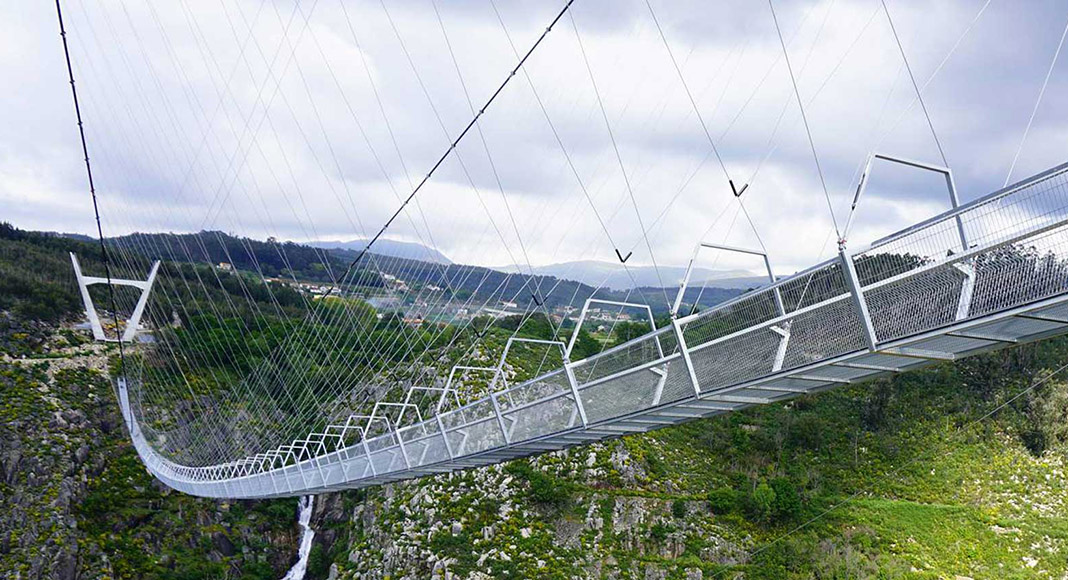
After this bucket list of placeholders has been completed, we can take a train ride on the Beira Baxa line to Abrantes in the Portalegre province and visit the 14th century Almeiro do Tejo castle. Will I have the nerve to walk across the castle’s steep ramparts—which have no guard rails? Or the truly frightening new 1,692 foot long suspension bridge called 516 Arouca about an hour from Porto? Considered the longest pedestrian suspension bridge in the world, it’s situated 575 feet above the ground with a see-through bottom to the sheer drop below, connecting the Aguieiras Waterfall and Paiva Gorge. It’s not a place to visit if you’re afraid of heights. But, if you do go to this new bridge, remember: Don’t look down!

Not even a chance.

Shared here are personal observations, experiences, and happenstance that actually occurred to us as we moved from the USA to begin a new life in Portugal and Spain. Collected and compiled in EXPAT: Leaving the USA for Good, the book is available in hardcover, paperback, and eBook editions from Amazon and most online booksellers.
Processing…
Success! You're on the list.

Driving Bureaucracy

I believe a bureaucrat at the Institute for Mobility and Transport (IMT) here – elsewhere known as the Department of Motor Vehicles – just did me a favor. An uber one, at that!

DMVs anywhere aren’t anyone’s favorite government agency, but the bureaucracies residents must deal with in Spain and Portugal – IMT (driver licenses and motor vehicles), Finanças (Taxes), SEF (Immigration), and EDP (the utility company), especially – have been attributed as being challenging > frustrating > irritating > next-to-impossible.

That wasn’t the case for us here in Castelo Branco. Staff at these offices have been considerate, cooperative, and pleasant. Anyway, here’s the story:

We’ve been very careful about observing all of Portugal’s requirements — particularly for non-EU nationals residing here – in terms of documentation and deadlines. Especially regarding the IMT. This is a country that only recently changed its rules about transferring one’s driver’s license from your country of origin to a Portuguese one … without adequately announcing the changes and spreading the word.

Formerly, new residents of specific non-EU nationalities had six months from the date they received official residency to trade in their existing licenses issued elsewhere for new ones from Portugal. The new law now limits that time to just 90 days, with serious consequences if you miss that deadline: driving school lessons followed by written and driving tests dealing with laws, practices, competencies, and the mechanics of how vehicles operate.

To exchange an American driver’s license for a Portuguese one, you must meet all of the “regular” requirements – a completed application form, proof of residency, your current driving license, passport, NIF, and a fee – along with an apostilled driving record from your last state of residence, plus a physician’s certificate that you are fit to drive.

We provided everything required by the Instituto da Mobilidade e dos Transportes (IMT) and, within two weeks, received our official license cards in the mail. In the interim, since our USA driver licenses had to be surrendered, we were given paper documentation to certify our legality to drive here.

All was well, we assumed … until I tried to rent a car.

“I am sorry,” the car rental agent apologized. “But I cannot rent you a car. You haven’t been driving long enough—only since last year.”

What? I’d obtained my driver’s license on my 17th birthday in New York and, by now, had now driven continuously for about 50 years … with licenses from New York, Maryland, Virginia, Florida, and Wisconsin!

“Please forgive me,” I responded. “But I don’t understand.”

The amiable chap pointed to a line on the rear side of my new driver license which indicated that my license was first issued last year.“How is that possible?” I asked.

He shrugged off the mistake and suggested I take it up with the IMT … someone, somewhere, at IMT had erred when copying the information I’d presented into the computer.

Fortunately, I had retained a copy of my official Wisconsin driving record in PDF format and peered at it on my computer screen before printing it out. There it was, in black and white: I began driving in Wisconsin on March 9, 2008. Maybe not 50 years of driving experience, but certainly at least ten!

I revisited IMT to point out the error and ask for my license to be corrected. And, while there, I also asked about renewing my driver license before March 9, the day before my 70th birthday, when Portugal required new evidence of my fitness to continue driving.

Older drivers in Portugal need to undergo medical and psychological examinations when renewing their driver licenses at ages 50, 60, 65, and 70 … drivers older than 70 are subject to a revalidation test. My doctor told me not to worry: there was no need for him to provide the medical certification until January, just two months before my 70th birthday. But I was concerned; I wanted IMT’s confirmation of that.

By law, one’s Portuguese driving license expires at 70 years of age; so, when you reach 70, you need to renew it if you want to continue driving. You then need to renew it every two years. Renewal can be done up to six months prior to the license expiring.

I took a Portuguese friend with me to speak on my behalf, as it was early into our residency in the country and I had a ways to go with my language proficiency. The lady who waited on us was flustered but friendly. While I feared the copy of my Wisconsin driving license showing the date I began driving there wouldn’t be accepted because it didn’t have an apostille (my only apostilled copy was turned in, along with my license, during my initial visit to the IMT), it wasn’t a problem.

The only problem was the printer, which refused to cooperate. Spending half an hour checking for paper jams, removing and shaking the laser cartridge a number of times, turning the machine off and on again, my IMT representative was getting impatient. The office manager was summoned. He, too, couldn’t get the printer to work; but, he called for a replacement … which arrived within half an hour.

Meanwhile, my Portuguese-speaking friend explained my concerns about renewing my license within the required time frame to the IMT lady. She looked at the expiration date and did some mental calculations: No problem, she said. We were within the six-month window and she could renew my license then and there, on the spot, without me having to return to IMT later. And, based on the documents I’d already supplied about four months earlier, she’d renew it for two more years without any new certifications—medical or otherwise.

Moral of the story: It’s easy to groan and bemoan the system.

Likewise, we need to give credit where, when, and to whom due.

So, thank you, my Portuguese guardian angels!

Shared here are personal observations, experiences, and happenstance that actually occurred to us as we moved from the USA to begin a new life in Portugal and Spain. Collected and compiled in EXPAT: Leaving the USA for Good, the book is available in hardcover, paperback, and eBook editions from Amazon and most online booksellers.

Processing…
Success! You're on the list.

Protesting the Status (Quo)

Across the United States – in Portland, Oregon; Seattle, Washington; Kenosha, Wisconsin; Louisville, Kentucky; Baltimore, Maryland; New York City and Rochester, NY; Minneapolis, MN; Philadelphia, PA; California, Colorado, and elsewhere nationwide – people are protesting, calling for fairness, equality, and justice.

Mainly, they’re peacefully protesting systemic inequalities: racism, economic injustice, government inaction or overreach, lock-ups and lock-downs.

They can’t pay their rent or mortgages, forced to choose between putting food on the table or medicine in the mouths of their loved ones. They’re agonizing over the toll Coronavirus is taking personally and professionally. And they are unleashing their anger and frustrations on others.

Between April and May 1st this year, protests against government-imposed lockdowns in response to the Covid-19 pandemic led to demonstrations in more than half of the “United” States. Shortly thereafter, on June 6th, half a million people turned out in nearly 550 places across the USA for Black Lives Matter protests.

Mass shootings hit a record high last year (2019), violent hate crimes are on the rise, and police brutality continues, prompting increased polarization and protests.

Police – local, state, the National Guard and even the Border Control – are called in, often exacerbating the problems. Violence follows and incites more violence, as hateful White House rhetoric spurs outcries against what the president calls his “law-and-order” platform. The result, however, has been increased antagonism and turf-minding. Apart from verbal incriminations, weapons include gunfire and bullets, tear gas and other chemicals, buildings burned, blazing tempers and imported vigiliantes, vehicles battered and overturned. Lately, more than 104 separate vehicles have been plowing through crowds and injuring protestors.

The bottom line is that people – often neighbors, long-time friends, even family and churches – are taking sides and triggering showdowns, sometimes violently, against each other and the powers-that-be. You’re either with me or against me, depending on who you are voting for.

American citizens are trying to prevent other American citizens from voting. Not just trying to intimidate them into not voting, but physically trying to prevent them from doing so!

It increasingly feels like America is reaching a boiling point, more raging bonfire than flash in the pan. Already beset by a national recession and a deadly pandemic now surpassing 200,000 deaths, this week has stoked new fires, including a Supreme Court battle to fill the Ruth Bader Ginsburg’s seat, Trump refusing to promise a peaceful transfer of power, mass protests after police officers faced no charges in the death of Breonna Taylor, and the swirling of literal fire tornadoes out West, while hurricane after hurricane pulverize our Gulf Coast . As American anger heats up, it’s incumbent that we bring a fresh lens to its origins and the core beliefs it threatens to topple, along with ways we can work together to douse the flames.

“Enough!” people are pleading, if not demanding. “Fix the problems!”

Trouble is, just as the financial gap between the haves and have-nots is widening, so, too, is the economic crisis. Many of the problems are difficult (if not impossible) to fix, because they’re so deeply rooted and systemic, driven by centuries of loot and looters, masters and slaves, carpetbaggers and indentured servants, inbred privilege and attitudes, government for the people becoming self-serving government, plebians and plutocrats, myriad moguls for whom more and much more are never, ever, enough.

Financial necessity has forced suburban populations to head for inner city food banks and health care clinics … creating a foggy, finite understanding of the implications inherent to why Black Lives Matter.

According to the Institute for Policy Studies, U.S. billionaires gained $565 billion additional dollars since March 18th. At the same time, surging unemployment has reached levels not seen since the Great Depression.

Experts say the top 10% of households own more than 84% of stocks … so a rising market helps people who already are among the wealthiest in the nation. Analysts attribute this widening wealth gap to the stock market, while meager consumers suffer the effects at their local groceries and supermarkets.

If we have never seen such economic instability since the Great Depression, we haven’t seen such social distancing since the Civil War. Or climate change and pollution so quickly creating environmental consequences and our planet’s ability to sustain life.

How can we look at what’s happening before our very eyes and not realize that we’re leading up to an even more deadly Civil War, if not already in the midst of one?

Worse, the riots are occurring all over the world.

At least sixteen countries — ranging from the UK and France to Australia, Brazil, Japan, Kenya, and South Africa — have seen major demonstrations over police violence against Black or minority populations and related issues, such as systemic racism and the legacies of colonial empires. In France and South Africa in particular, the pandemic has served to crystallize the problem of police brutality: authorities enforcing lockdown regulations have used force disproportionately against Black citizens.

But new protests are also breaking out for reasons other than police violence and racism. Some are rooted in how governments have responded to the pandemic. Among them, Brazil and Israel stand out. Ecuador, which faces one of the highest per-capita death rates from COVID-19 among developing nations, recently saw thousands protest the government’s decision to close some state-owned companies and cut public sector salaries, in an effort to close a gaping $12 billion budget deficit.

Citizens in Iraq have resumed protests over corruption, high unemployment, and the violent repression of protesters, with demonstrators in central and southern Iraq clamoring for the removal of governors who they deem to be corrupt. In Mali, tens of thousands have demanded the resignation of President Ibrahim Boubacar amid persistent intercommunal violence compounded by economic stagnation, a dearth of political reforms, and widespread government corruption. Saudia Arabian women have protested for fewer restrictions on their rights, even as Syrians protest the killing machine of their country’s leader and the Lebanese protest the lack of responsible leadership from their do-nothing government. The separatist movements provoke perennial protests in Spain, even as the second massive shutdown in its capital and biggest city because of Covid-19 stoke the fires of discontent.

Protests, by far the largest and most persistent in Belarus since independence from the Soviet Union in 1991, began Aug. 9th after an election that officials said gave President Alexander Lukashenko a sixth term in office. Opponents and poll workers say the results, in which Lukashenko was tallied with 80% support, were manipulated.

In some countries, governments have capitalized on the chaos of the pandemic to persecute critics, criminalize dissent, ban public demonstrations, and further concentrate political power. Consider China and Russia, for example.

How can society achieve the consensus it needs to function if everyone regards rivals as “Nazis,” “traitors” or “enemies of the people”?

“Trump, the torchbearer, has at times fueled racial tensions and stomped on his perceived enemies, citizens and institutions alike,” writes Nick Fouriezos, senior politics reporter for OZY, an international media and entertainment company launched in September 2013 by former CNN and MSNBC news anchor, journalist, and businessman Carlos Watson and Goldman Sachs alumnus Samir Rao. Ozy describes its mission as to help curious people see a broader and a bolder world.

“Some have become radicalized by the president’s behavior, meeting fire with fire — from erecting guillotines to accosting Senators to defending violent looters as collecting what society owes them,” Fouriezos continues. “Meanwhile, the American Fringes have continually hijacked the discourse, worming their ideas into some of America’s most revered institutions. The loss of civility playing out on the national stage has had ripple effects, reflected in an apparent uptick in nastiness nationwide, with ordinary citizens bickering over face masks in stores, trolling each other on social media and facing off over campaign signs next door. In a multiethnic, multicultural and increasingly crowded democracy, respecting commonality while acknowledging differences has been the surest way of moving forward — but it has become a casualty of rising American anger.”

If political tensions are bringing the USA to the brink of a second Civil War, is what’s happening around the globe a harbinger of something bigger?

Hopefully, cooler heads will prevail.

Stay tuned …

Shared here are personal observations, experiences, and happenstance that actually occurred to us as we moved from the USA to begin a new life in Portugal and Spain. Collected and compiled in EXPAT: Leaving the USA for Good, the book is available in hardcover, paperback, and eBook editions from Amazon and most online booksellers.
Processing…
Success! You're on the list.

Residency and/or Citizenship?

Dr. Sanjay Gupta, CNN’s chief medical correspondent, was confused and concerned after hearing Donald Trump state that – despite FDA, CDC, and vaccine manufacturers pledges to the contrary – he was prepared to use his presidential powers to override objections to emergency use authorization approving the use of new vaccines for the Covid-19 virus even before final determination of their efficacy (and potential dangers) had been made by doctors, research specialists, and scientists.

Trump suggested that the White House would overrule the FDA if the agency issued new, tougher standards for the emergency authorization of a coronavirus vaccine.

How can this be, wondered Gupta? By what right did the president assume he could make or break such life-or-death decisions … especially in the midst of a persistent pandemic which had been so politicized?

So, he spent a good deal of time doing research.

Turns out, through the ins and outs of government oversight, Trump could indeed manipulate the vaccine through the role of the Office of Management and Budget Control, which must sanction all such approvals and expenditures. OMB is part of the USA government’s executive branch, over which presidents can exert control.

The OMB isn’t the only federal agency over which this president has exerted his control. Through FEMA funds, he’s disbursed billions of dollars to Puerto Rico—despite his disdain for the island protectorate. He’s discharged funds from (agency) to build his wall between the USA and Mexico, as well as used federal border control agents to intercede in constitutional protests around the country (which rightly should be the domain of the states, their governors, mayors, and law enforcers). And, in his “law-and-order” campaign, he’s threatened to defund democratic cities and states with Democratic mayors and governors. Let’s not forget the U.S. Postal Service, so important to the timely delivery of our mail, whose new director — a major Trump donor — began dismantling the venerable institution, tossing out vital sorting equipment, reducing personnel, and limiting work hours. Or the National Security Council, which has become a revolving door of expert professionals replaced by “acting” directors answerable only to Trump. The same can be said of the FBI, CIA, and Justice Department–the latter of which is paying for Trump’s personal defense in criminal activities that occurred before he was president. Ditto for his campaign funds. And the money paid to Ukrainian officials to illegally influence the upcoming election.

Daily enforcement and administration of federal laws is in the hands of the various federal executive departments, created by Congress to deal with specific areas of national and international affairs. The heads of the 15 departments, chosen by the president and approved with the “advice and consent” of the U.S. Senate, form a council of advisers known as the president’s “Cabinet.” Once confirmed, these “cabinet officers” serve at the pleasure of the president. In addition, a number of staff organizations are grouped into the Executive Office of the President: the National Security Council, Office of Management and Budget, Council of Economic Advisers, Council on Environmental Quality, Office of the U.S. Trade Representative, Office of National Drug Control Policy, and Office of Science and Technology Policy. “Independent” agencies – the United States Postal Service, National Aeronautics and Space Administration, Environmental Protection Agency, and United States Agency for International Development. All are ultimately controlled by the president.

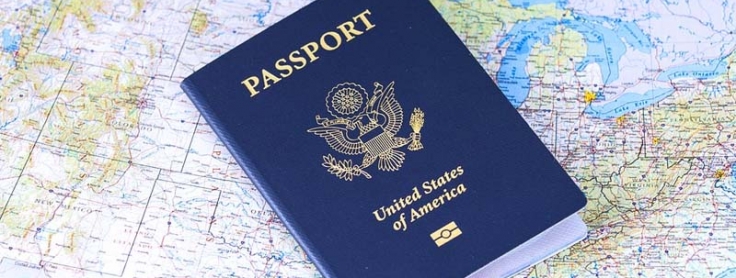
More importantly to my point here is that the State Department – under the Executive branch – controls the processing, issue, and renewal of passports to US citizens.

Which got me to thinking …

What if (for whatever reason), the U.S. president decides to restrict and control our passports? Who knows why? Trump is an autocrat who acts on impulse, rewarding his loyalists and punishing those who don’t favor him by pulling and pushing all the levers available to him.

Without valid passports, we’d be severely hampered in our international travel and dealings. Including the ability to maintain our residencies in other countries … because a current and valid passport must be presented whenever foreign residency is requested or renewed.

For those of us who aren’t EU nationals, in addition to other requirements, a passport is our “passport” to residency. In Spain, passports are required when applying for visas; when applying for temporary, one-year residency; for each subsequent two-year residency renewal; and for final – permanent – residency granted after five years.

The good news is that Portugal allows dual citizenship with most countries, so you won’t have to give up your original nationality. Similarly, U.S law doesn’t mention dual nationality or require a person to choose one nationality or another.

A U.S. citizen can naturalize in a foreign country without any risk to his or her citizenship. You can vote in U.S. elections, continue to receive Social Security payments, and travel to or from the USA without impediment.

Before the coronavirus pandemic, holding a U.S. passport granted visa-free access to 185 countries around the world. The American passport wasn’t the most powerful on earth (that honor belongs to Japan), but it still got most of us where we needed to go. Until now.

With current EU restrictions and other pandemic-related travel bans, there currently are much fewer places where Americans can go. Frustrated by this newly hampered mobility, some are seeking dual citizenship … often as an opportunity to reconnect with the country their parents or grandparents came from, to reevaluate their careers and potential business opportunities overseas, or simply to retire in peace legally in another country of choice.

Now, that got me to thinking some more …

Hitherto, I’d never really considered dual citizenship with the USA and Portugal (or Spain). Permanent residency was good enough, I assumed. I had no plans to vote in Portugal’s elections, which (I believed) was the only reason to seek citizenship over residency.

According to the Henley Passport Index, Portuguese citizens are among those who face the least restrictions when travelling to the four corners of the globe. Portuguese citizens are also European citizens whose rights include living, working, and retiring in any member state of the European Union for an unlimited period, as well as the right to vote in local and European elections in other member states.

“Portugal remains one of the best places in the world to invest and retire,” reports the Portuguese American Journal. “The Portugal Golden Visa Program has seen an increase in applications in the first quarter of 2020.” Between January and April 2020, 259 applicants and 515 dependents received their Golden Visa residence cards from the program.

(Both the Golden Visa and Non-Habitual Residency programs – which have been attracting wealthy foreigners to Portugal for years – were due to be ‘curtailed’ in the last State Budget, but have continued in light of the crisis created by the coronavirus until at least 2021.)

By no means are we “wealthy.” But there are other routes to Portuguese citizenship. The government has announced plans to overhaul Portugal’s Foreigners and Borders Office (SEF) in a bid to reduce bureaucracy barriers and improve conditions for immigrants.

Portuguese citizenship can be acquired by a legal resident of Portugal for at least five years plus one (more) year of permanent residency. Unlike residency, application for permanent citizenship is submitted to a civil registry office and not to SEF. Once citizenship is acquired, however, Portuguese passport applications are handled by SEF.

Some applicants for citizenship must submit documentary evidence of effective ties to Portugal and/or the Portuguese community, and the State Attorney may oppose the granting of citizenship if such ties are either too few or too weak. Typical documentation includes:

• Registration with Portugal’s Tax Authority and National Health Service;

• Regular trips to Portugal in case the applicant doesn’t live in the country;

• Having owned or rented property in Portugal for at least three (3) years;

• Having participated during the previous five (5) years in the cultural life of a Portuguese community existing in the country of residence of the applicant—i.e., activities of cultural or recreational associations of that community.

After 10 years of living in Spain, you can also obtain Spanish nationality, thus becoming a Spanish citizen. The main downside of using this path in order to get the long term residency is that you will need to renounce to your USA citizenship (in order to get the Spanish one).

So, take that into consideration. If you wish to preserve your nationality, go for the permanent residency and renew it every five (5) years. If that is not a problem for you, nationality will be a better option.

(Nevertheless, there’s an exception to that rule: If you have citizenship from Andorra, Portugal, Equatorial Guinea, the Philippines, or from a Latin American country, you can obtain your dual nationality; therefore there won’t be any need to give up your current citizenship.)

It’s a brave new world that we live in, with new “normals” changing rapidly. Under the current circumstances, at least, we have no plans to return to or visit the USA.

Beyond permanent residency in Portugal, dual citizenship with both countries increasingly seems like a good idea. Especially since it gives us equal access to Spain!

Shared here are personal observations, experiences, and happenstance that actually occurred to us as we moved from the USA to begin a new life in Portugal and Spain. Collected and compiled in EXPAT: Leaving the USA for Good, the book is available in hardcover, paperback, and eBook editions from Amazon and most online booksellers.
Processing…
Success! You're on the list.

Magical Monsaraz and Other Pleasurable Portuguese Places

We did the “tourist thing” this past weekend, visiting the town of Monsaraz in the Évora district of the Alentejo, about an hour’s drive from our house in Elvas (Vila Boim). The village prospers on tourism today, with a handful of restaurants, guesthouses, and artisan shops.

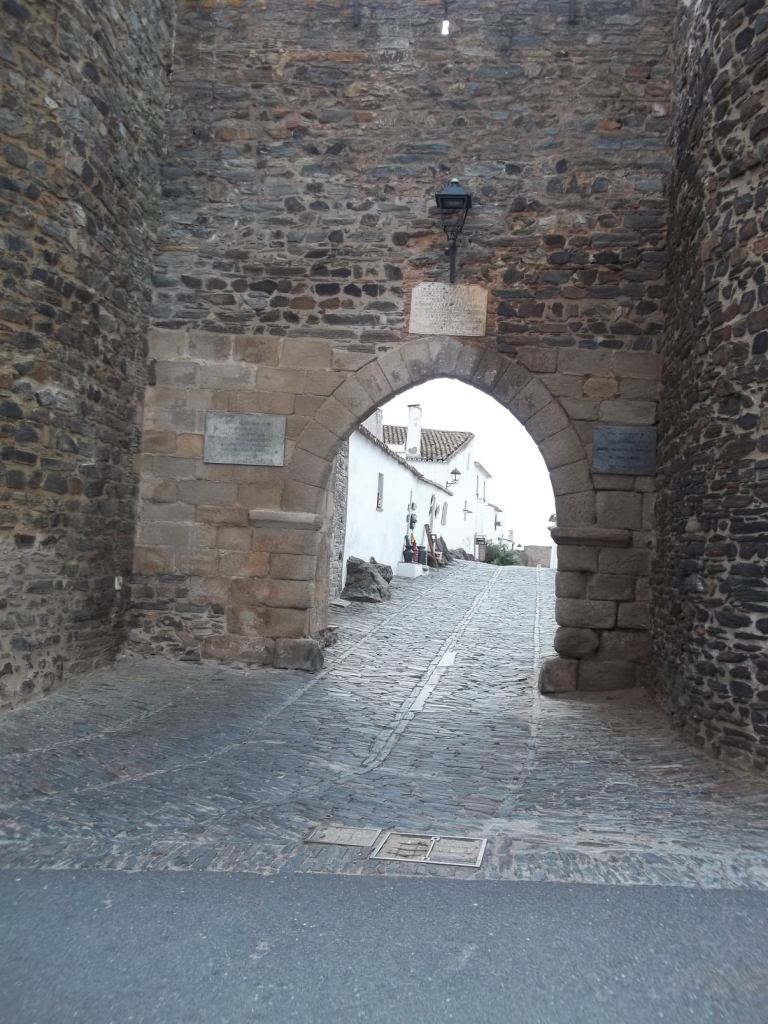
Monsaraz: Entrance and Exist

Perched high atop the surrounding countryside, Monsaraz is a charming village with a looming castle at its edge … spectacular views of the river Guadiana and Alqueva Dam … panoramic vistas showcasing many nearby Portuguese villages … and olive groves sprinkling the landscape. Its narrow schist streets are lined with whitewashed cottages.

Monsaraz: Schist Streets

The hilltop on which Monsaraz sits has long been coveted, as it affords far-reaching views over the surrounding plains and enabled communication between neighboring watchtowers. Since prehistoric times it has been occupied … more recently by Romans, Visigoths, Jews, Moors, and Christians, with control passing among Arabs, Spanish and the Portuguese until it finally settled in Portuguese hands in the 13th century.

This graceful, medieval village maintains its magic from ancient times like few others in the world. One of the oldest villages in Portugal, the historic village is well worth a visit! In 2017, Monsaraz won the category “Monument Villages” in the Seven Wonders of Portugal (Villages) competition.

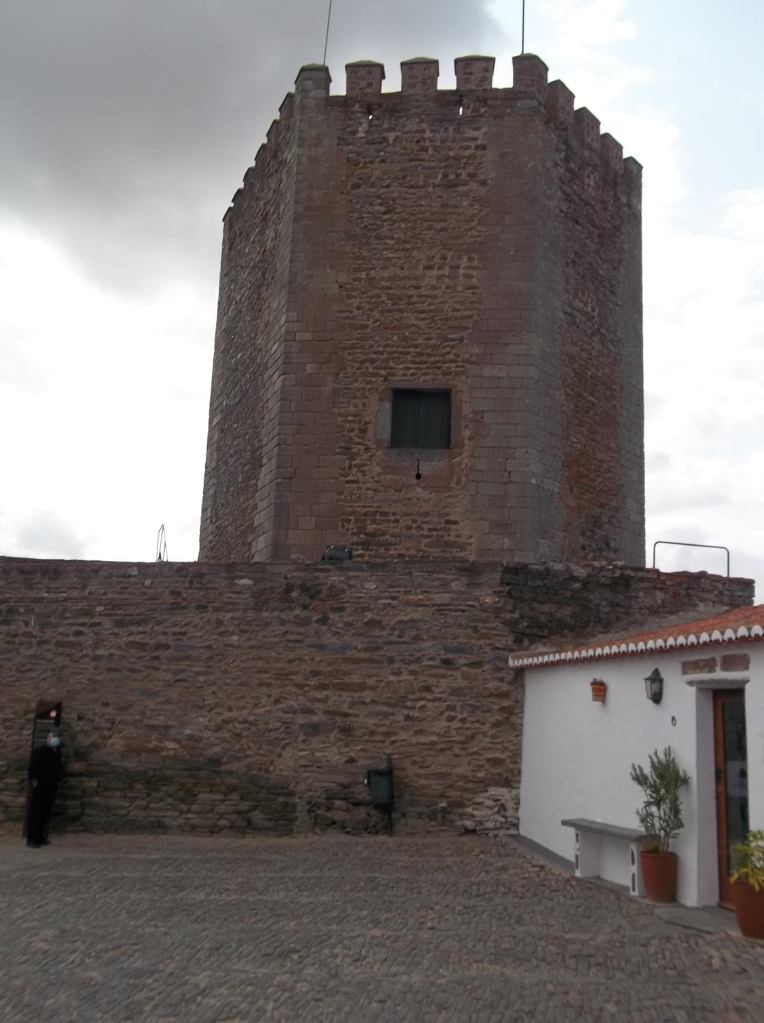
Monsaraz: Castle

Located on the top of the hill with a view over the river Guadiana with the wonderful Alqueva Dam – the largest artificial lake in Europe and one of the greatest Portuguese constructions of the century – its frontier with Spain has made it highly coveted by the peoples who disputed it.

Monsaraz: Church

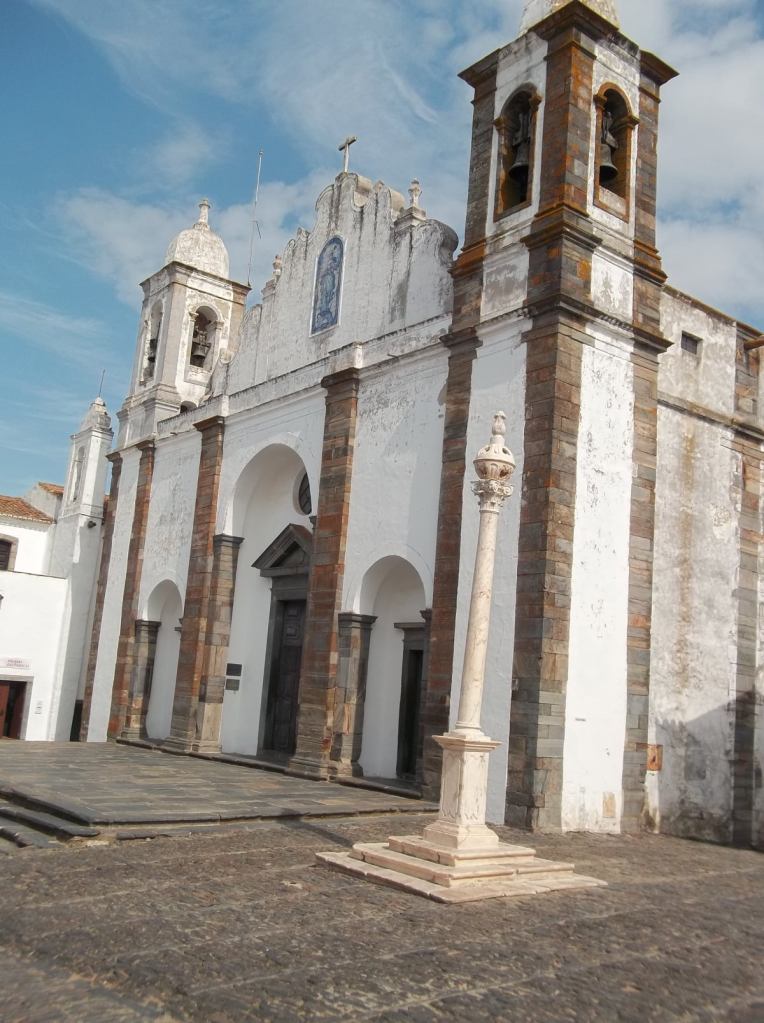
The walls around Monsaraz guard a welcoming village including its ubiquitous castle. Towards the center of the village is the stunning Igreja Matriz de Nossa Senhora da Lagoa (church), built with schist in the 16th century on the ruins of a gothic church destroyed due to the black plague. Inside is the tomb of Gomes Martins Silvestre, a Knight Templar and first Alcaide (Mayor) of Monsaraz. With 17 sculpted figures on the front representing a funeral procession, the tomb is made of marble from nearby Estremoz. Not to be overlooked is the Jewish history here.

Monsaraz: House of the Inquisition and Interactive Jewish History Center in Monsaraz

As we paid for a few purchases at the entrance (and exit) of Monsaraz, our eyes were drawn to a tiny house facing it with a “Vende-se” sign affixed. “Quanto custa?” I asked the shopkeeper. “Cento e cinquenta mil euros (€150,000),” she replied. Such are the prices of modernized housing within these idealized Portuguese places with such tightly-knit, small populations.

Monsaraz (782) reminds me of aspects that delighted us during earlier trips to Monsanto (616) and Belmonte (2,511) in the Castelo Branco district, as well as Estremoz (7,433) and Vila Viçosa (4,931) in Évora. (The last census was taken in 2011.)

Vila Viçosa: Main Square

Perhaps the most striking of all “marble towns” in the Alentejo is Vila Viçosa. In the 20th century, marble extraction and processing — responsible for around 93% of jobs in the municipality – along with tourism, became the main income sources of the municipality (although agriculture is still important for its economy). Vila Viçosa is known as the “Princess of Alentejo.” Truly an “open-air museum,” the name Vila Viçosa (lush village) is due to the fertility of its soils and the charming territory. Everywhere the eye wanders is marble: water fountains, monuments, mail boxes, street signs and benches, even garages.

Estremoz

The semi-arid plains of the eastern Alentejo stretch for miles before the pyramid-like settlement of Estremoz looms into view. To sum this place up in a few words, one could choose “historically significant,” “strategically situated,” and “dramatic.” Estremoz is one of the “white cities” in Alentejo. You can recognize it from far away by its white houses spread across a hill, embraced by old walls, and protected by the impressive fortified tower. During Portugal’s long struggle to retain its sovereignty in the face of invading Spanish armies, Estremoz always played a pivotal role.

Monsanto

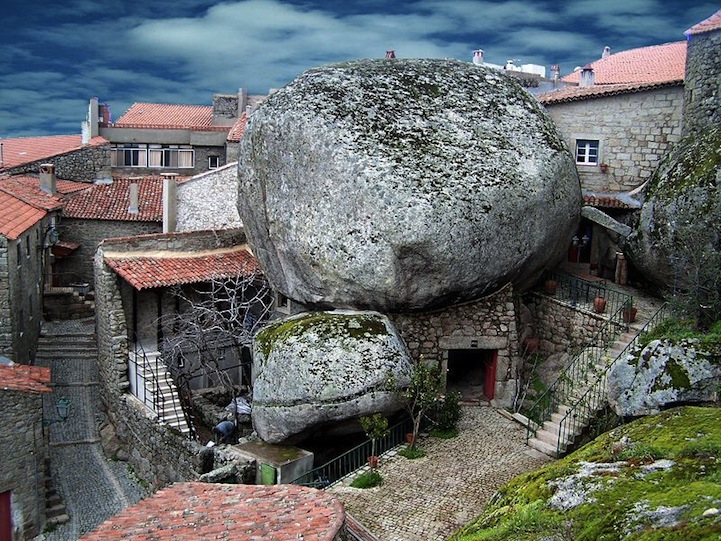
Monsanto hangs off a mountaintop overlooking the Portuguese countryside, with views for miles. Houses are tucked between, on, and underneath giant boulders. Its tiny streets wind up a steep grade past red-roofed cottages tucked against mossy boulders. Some of the boulders are actually fitted with doors, leading to structures carved right into the rocky landscape.

The village has hardly changed in hundreds of years, and enjoys distinction in Portugal as a living museum. Dubbed the “most Portuguese town in Portugal” in 1938, the tribute is a bit of a misnomer since Monsanto technically is a village (aldea), not a town (vila).

Belmonte is one of Portugal’s most fascinating villages. Nestled in the interior of the country, close by the mountains of Serra da Estrela, it was here that thousands of Jewish people escaped from the Inquisition in Spain and settled safely around this area, close to the border with Spain. Belmonte is, perhaps, the Portuguese town with the strongest Jewish presence and it stands out because it was a unique case within the Iberian Peninsula, where Hebrew culture and tradition have lasted since the early 16th century until today. But the community here is one of the few on the Iberian Peninsula that has retained rituals and other elements of its identity that date back to the Spanish Inquisition, thanks to the sacrifices and commitment of successive generations of crypto-Jews—Jewish people forced to convert to Christianity under the Inquisition, but who continued to practice Judaism in secret.

Belmonte

Unlike Monsaraz, whose Casa da Inquisição (House of the Inquisition) and Centro Interativo da Historia Judaica memorialize the expulsion of 80 former Jewish residents persecuted by the Portuguese Inquisition some 500 years ago, Belmonte continues to celebrate its Sephardic heritage with a Jewish synagogue, museum, radio station, and specialty shops.

For such a small country, Portugal is packed with pristine architectural gems, well-preserved historical sites, and monumental natural beauty.

Released by the Carpenters in 1970, the lyrics of our love affair with the western side of Iberia can be summed up in their words:

“We’ve only just begun to live … So many roads to choose … Sharing horizons that are new to us … Watching the signs along the way … We’ll find a place where there’s room to grow … And yes, we’ve just begun.”

Shared here are personal observations, experiences, and happenstance that actually occurred to us as we moved from the USA to begin a new life in Portugal and Spain. Collected and compiled in EXPAT: Leaving the USA for Good, the book is available in hardcover, paperback, and eBook editions from Amazon and most online booksellers.
Processing…
Success! You're on the list.

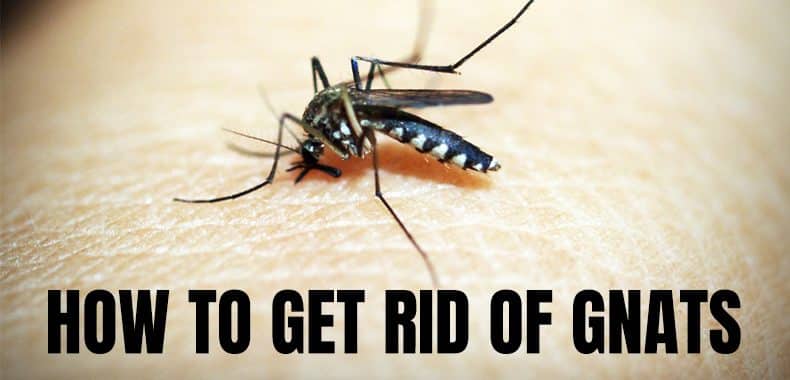
They’re Not “Mosquitos!” Gnat-Swatters and Drain Flies

Following a three-week absence, we returned to our house in the Alentejo … which we had cleaned thoroughly and removed every bit of trash before leaving.


Nonetheless, we were greeted by an infestation of “gnats” everywhere: During the day, they’re attracted to the light emanating from our windows, forming beaded curtains against the glass and marching brazenly across our mirrors; at night, it’s the light bulbs that propel them; while, regardless of the hour, they dart aggressively around my computer screen, dive-bombing unmercifully as I’m trying my best to conduct some work while waving them away.

You haven’t truly lived until you nick yourself shaving or shoo them away in the bathroom while dealing with “personal hygiene.” Or, sharing your dining table with these unwelcome visitors. Or, fishing around a wine glass to remove an errant gnat floating in your tinto.

Without exaggeration, we have encountered and tried our best to remove hundreds of these nasty no-goodniks. Yet, each time we ass-u-me we’ve dealt with them — Surprise! — more of them miraculously appear.

There’s not even a proper Portuguese word that translates “gnat” appropriately: “Mosquito,” say the English > Portuguese dictionaries and Google Translate. No, I think not. We’ve got real mosquitos, too, as well as moscas.

Since we can’t convey the substance of our dilemma, seeking help from merchants won’t work. Instead, I contact Facebook friends. I want to know: Where are all these unwanted pests coming from? Why are they paying us unwelcomed visits? More importantly, how do we get rid of them … once and for all?

• “I am/was having a similar problem,” shared Teri. “A contractor friend suggested covering all open water pipes, drains, etc. I used clear packing tape around the dishwasher and washing machine drainage pipes; put a plug in the tubs; pulled up the stopper for the bidets; installed small mesh filters on all the sinks; closed off the chimney; closed the vents in the bathroom. Surprisingly, those irritating gnats have almost disappeared. Not sure what had the biggest impact because I went with the sawed off shotgun approach.”

It’s incredible the lengths we go to against these smallest of predators in our own daily David v. Goliath battles!

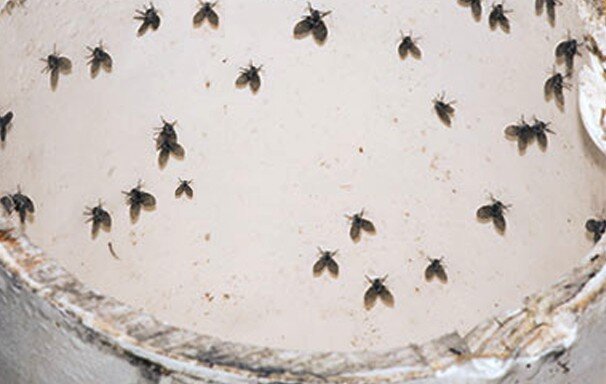
• “I think you might have ‘drain flies,’ offered my friend Robin. “I had a horror film-like infestation when I had a plumbing leak and my ceiling was opened up. Check for leaks or built-up water or waste in pipes. I’m no expert, but hopefully this might put you on the right track.”

Robin was onto something …

 Immediately, I keyed “drain fly” into English > Portuguese online dictionaries and Google Translate. Again, all I got was “mosquito.”

• “We had those little fruit-loving gnats and flies in the three open stories to our house,” commiserated Beverly, who bought three cans of the tall fly spray and started at the top floor with all windows closed. “I sprayed everywhere up high to let it fall to the floor. I sprayed going down the stairs and then the next floor … and then the last. I closed all the rooms with doors, andI then left for a few hours. When I returned I had not one!”

God bless you, Beverly. You’ve redeemed us as not the only stewards of nature who want to pulverize these little demons for invading our space. We, too, went through entire cans of “all-fly-killer” sprays and thoroughly doused our 50m2, single story bungalow.

But determined they were and a few remain, flitting about.

• According to María, “If they’re fruit flies, you can create a trap with a small glass and a little red wine in the bottom. Make a funnel out of stiff paper or plastic so they can fly in, but not out. Keep the trap away from the areas you don’t want them in, so you direct them away from the spaces where they irritate you the most.”

“Gnats and mosquitoes come in through the electrical outlets, whose conduits are open to the outside,” Lila pointed out.


But, despite Googling pictures, I still don’t know if they’re gnats, mosquitos, drain or fruit flies because we really don’t want to get up close and personal to them. But, we’re willing to try (almost) anything to purge our property. .

• Henry advised using a “fogger,” but the logistics of dealing with our three pets delayed us from trying it. Instead, we followed Deb’s advice: “A little bleach in the drains also helps kill any larvae developing.” Cristina added that, “yellow sticky traps used in greenhouses are effective.”

I added the fly paper to our shopping list.

Already, we’d gone through three tall cans of “fly” killer and put bleach down the drains and pipes, which we then plugged. We bought — and lit — some vanilla candles for the bathroom and near our computers, hoping the “sweet” smell would attract them to the flame and the molten wax below. Still on our to-do list are taping electrical outlets and drainage pipes.

Next time we go shopping, we’ll buy and hang some of that sticky fly paper. What a lovely accessory that will be to our furnishings and decorating scheme!

Yeah, right.

Shared here are personal observations, experiences, and happenstance that actually occurred to us as we moved from the USA to begin a new life in Portugal and Spain. Collected and compiled in EXPAT: Leaving the USA for Good, the book is available in hardcover, paperback, and eBook editions from Amazon and most online booksellers.
Processing…
Success! You're on the list.

Belts and Suspenders: “Weather” or Not No Longer Is the Question

Climate change is real, without a doubt.

Just ask the scientists. Or any legitimate fact-checker.

Those who deny the reality of climate change and global warming are the same foolish, mistaken people who claim that Coronavirus (Covid-19) is a hoax and refuse to wear masks or maintain social distances.

All of a sudden, climate change is here—up close and personal. We’re witnessing it with our own eyes. Who can deny the devastation ravaging the USA’s Pacific coast (and parts of the midwest) caused by “uncontrollable” forest fires?

“Bobcat” fire in California

Faster and more furious hurricanes threaten the Western hemisphere – even unprecedented back-to-back dynamos along the USA’s Gulf coast – while typhoons, monsoons, and tsunamis invoke nature’s wrath in the East. Already this year, we’ve run out of names for these tempests and will need to revert to the Greek alphabet.

Flash flooding is now commonplace, even as raging forest fires devour California, Oregon, Washington, and Colorado … as well as Spain and Portugal. Meanwhile, droughts of dry and parched land have come home to roost.

Earthquakes are occurring everywhere. Even in Spain and Portugal!

The Amazon is ablaze, while the Everglades are being turned into suburban housing. The sea is swallowing villages, eating away at shorelines, withering crops. And our oceans are bloated by unimaginable amounts of plastic, choking their marine inhabitants.

In effect, we’re losing our belts and suspenders, as Atlas shrugs and we drop our coverings: We’ve been warned!

“Concentrations of greenhouse gases in the Earth’s atmosphere are at record levels, and emissions that saw a temporary decline due to the pandemic are heading towards pre-COVID levels, while global temperatures continue to hit new highs,” according to a major new United Nations report.

United in Science 2020,” released September 9th, highlights the increasing and irreversible impacts of climate change on glaciers, oceans, nature, economies … along with its cost on people across the globe; manifest more and more often through disasters such as record-breaking heatwaves, wildfires, droughts and floods.

Speaking at the launch of the report, UN Secretary-General António Guterres emphasized that there is “no time to delay” if the world is to slow the trend of the devastating impacts of climate change, and limit temperate rise to 1.5 degree-Celsius.

“Whether we are tackling a pandemic or the climate crisis, it is clear that we need science, solidarity, and decisive solutions,” said Guterres.

If there’s any hope for the planet’s survival, it won’t come from survivalists building bunkers and shelters to protect themselves from the doom and gloom … or from the Trumpers, for that matter … but from youngsters.

In 2019, Time magazine chose 16-year-old climate activist Greta Thunberg as its Person of the Year. The young lady had made a splash that year leading protests around the world, speaking at the United Nations, meeting with the Pope, and sparring with the president of the United States on Twitter.

Students protest, demanding global action on climate change as part of the “Fridays for Future” movement in Madrid. Youngsters in Spain are using social media to create groups aimed at pressuring politicians and civil society leaders

Here in Portugal, six youths have filed an “unprecedented” climate change lawsuit against almost all of Europe – 33 countries! — for failing to take adequate action on the crisis that they say threatens their human rights.

The case was filed on September 3 in the European Court of Human Rights in Strasbourg, France. It is the first climate case brought directly to this international court. Lawyers for the young plaintiffs will argue that European governments’ current plans for cutting greenhouse gas emissions are insufficient to prevent catastrophic climate change and therefore constitute human rights violations under the European Convention on Human Rights.

“If successful, the 33 countries would be legally bound, not only to ramp up emissions cuts, but also to tackle overseas contributions to climate change, including those of their multinational companies,” the charity Global Legal Action Network, which is providing legal support for the case, explained in a press release.

“It’ll start getting cooler, you just watch.”

That is what Donald Trump said during a televised summit in California focused on the catastrophic wildfires ripping through the state and other regions of the western United States. He claimed that “exploding trees” were the catalyst.

Trump—a notorious denier of climate science and the global consensus that human activity and fossil fuel emissions are driving planetary heating—has met his match in the youngsters who are so much smarter and wiser. My money (if I had any) would be on those kids!

Shared here are personal observations, experiences, and happenstance that actually occurred to us as we moved from the USA to begin a new life in Portugal and Spain. Collected and compiled in EXPAT: Leaving the USA for Good, the book is available in hardcover, paperback, and eBook editions from Amazon and most online booksellers.
Processing…
Success! You're on the list.